• DE
  • /
  • EN
Stories ABC Art Clicks Tour

Art

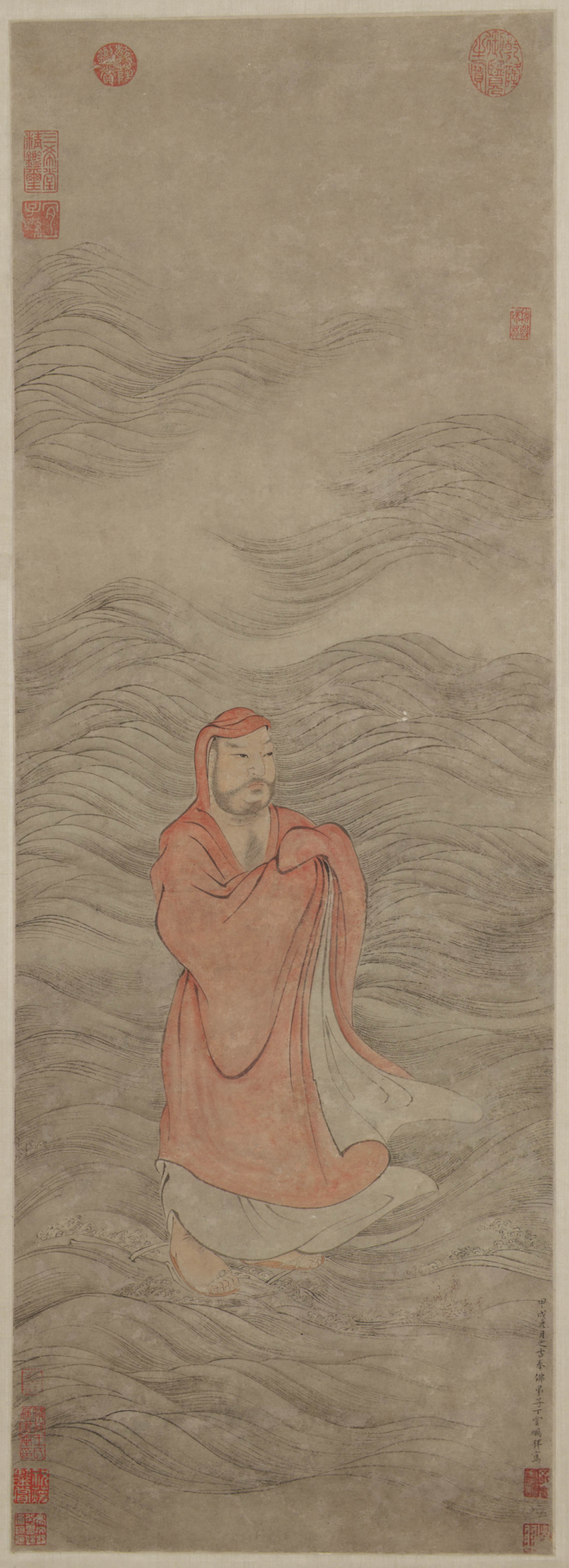
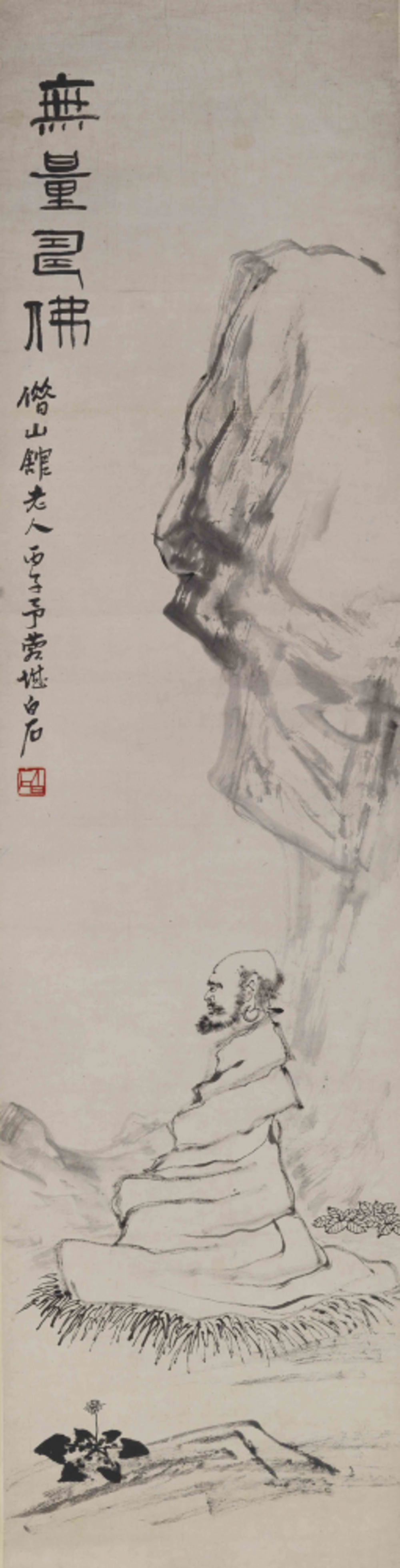
  • Bodhidharma Crosses the Yangtze River on a Reed
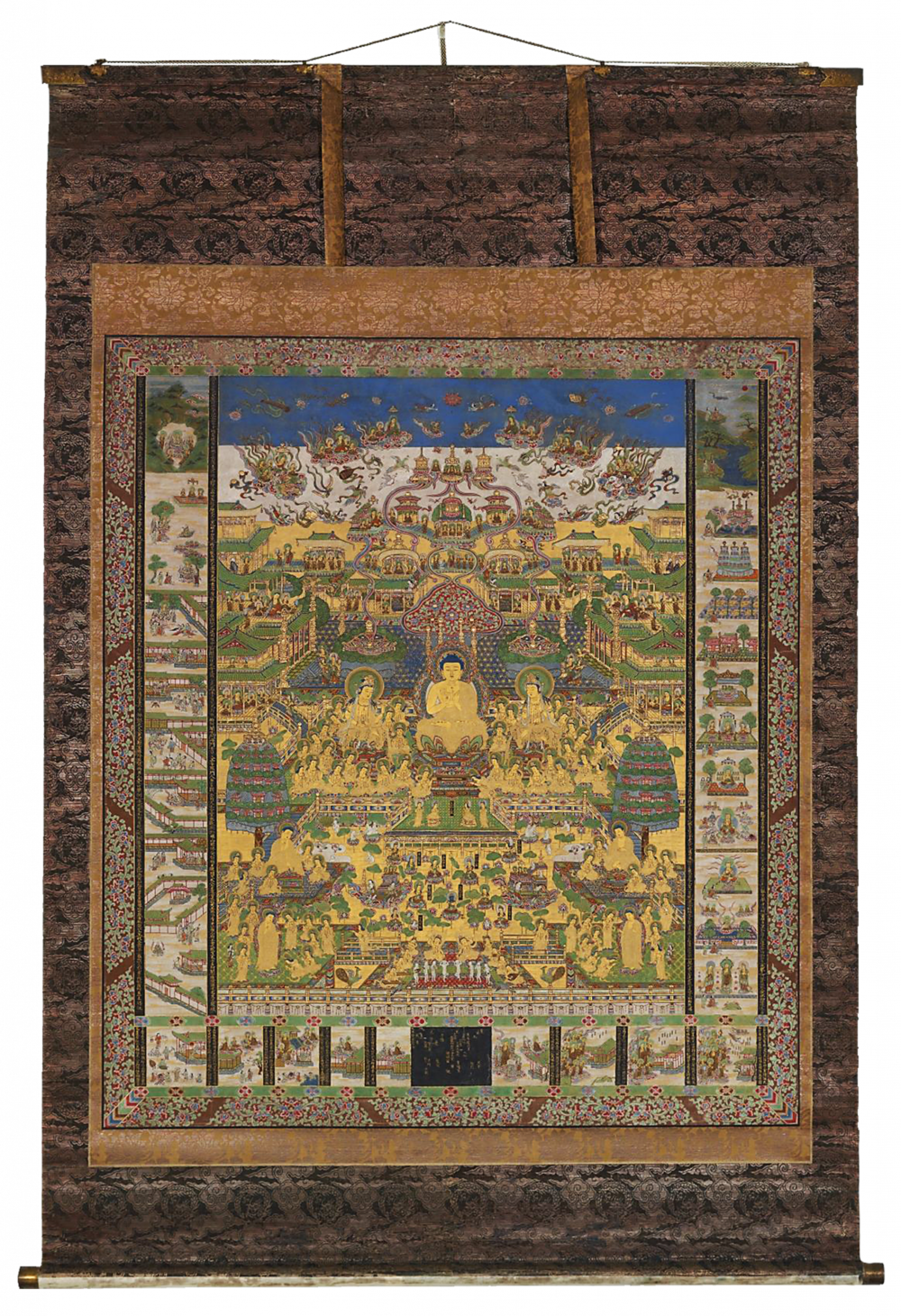
  • Taima Mandala, the Buddha Amida’s Paradise
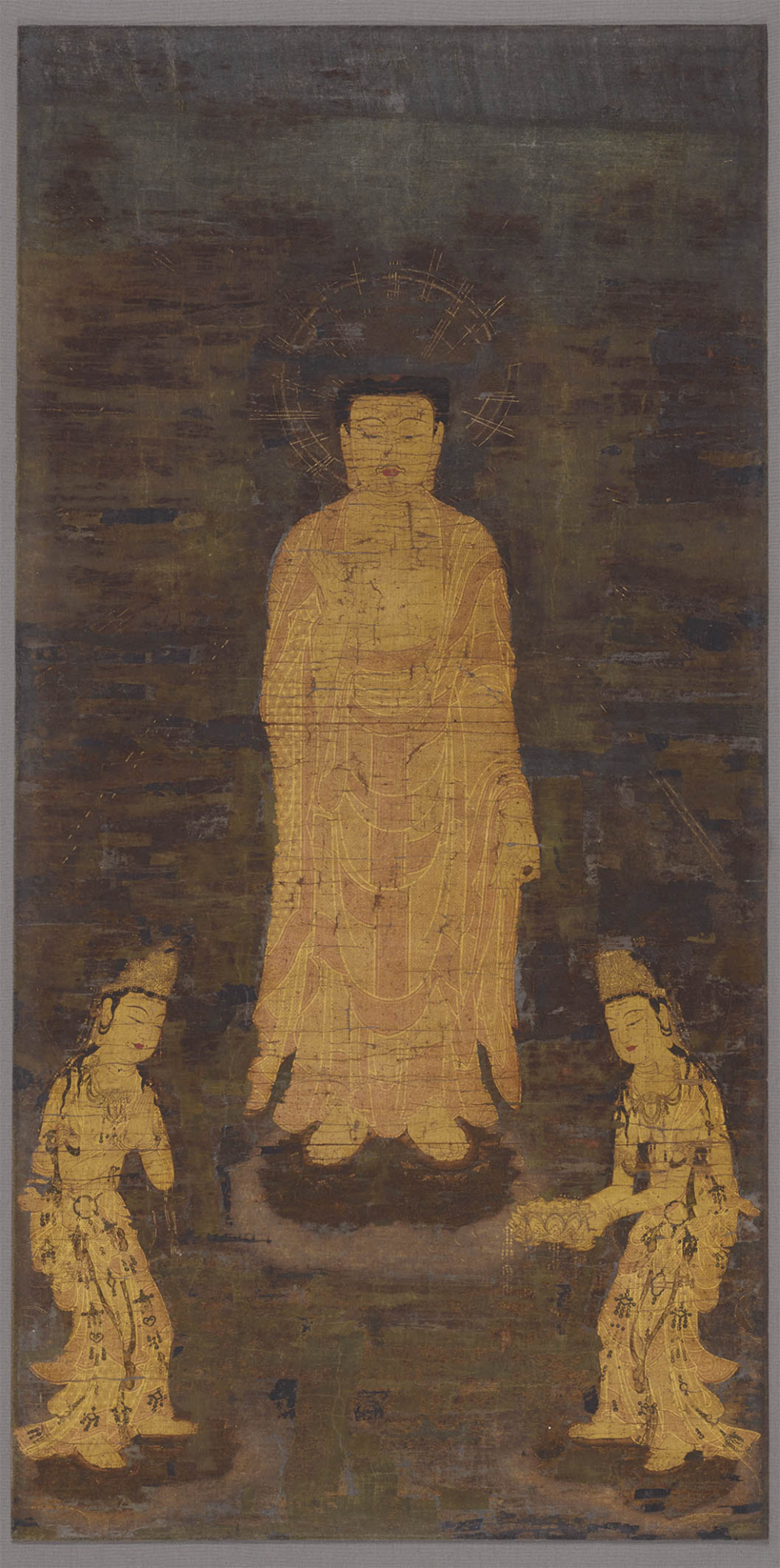
  • The Descent of Buddha Amida
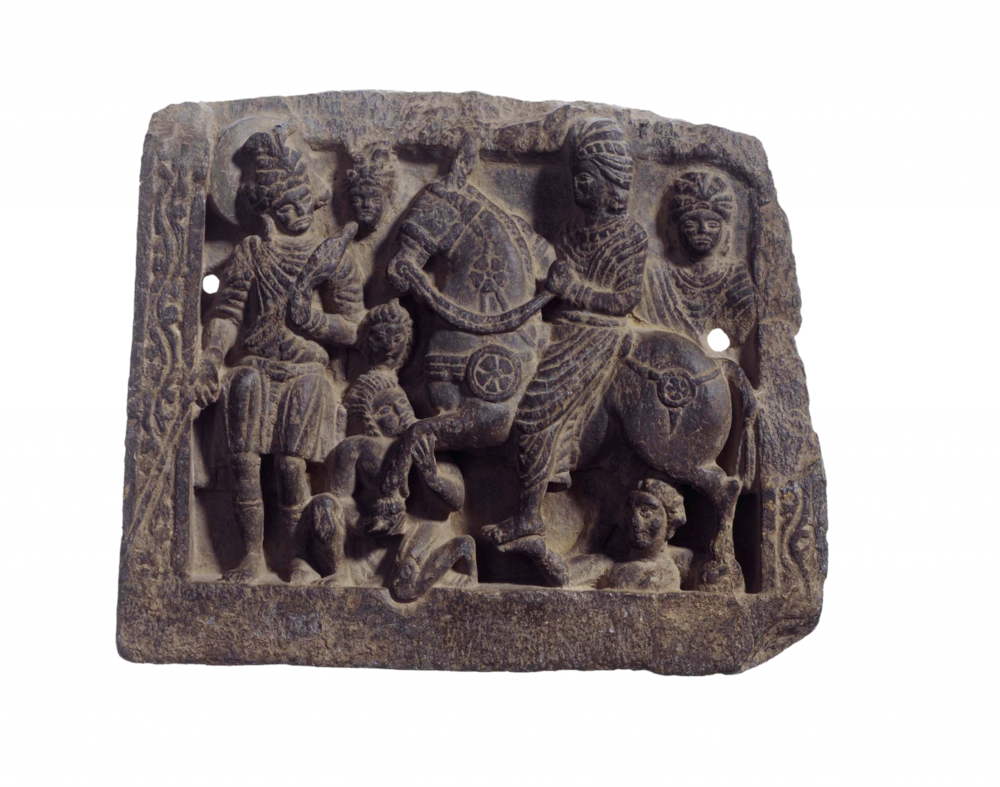
  • Leaving for Homelessness
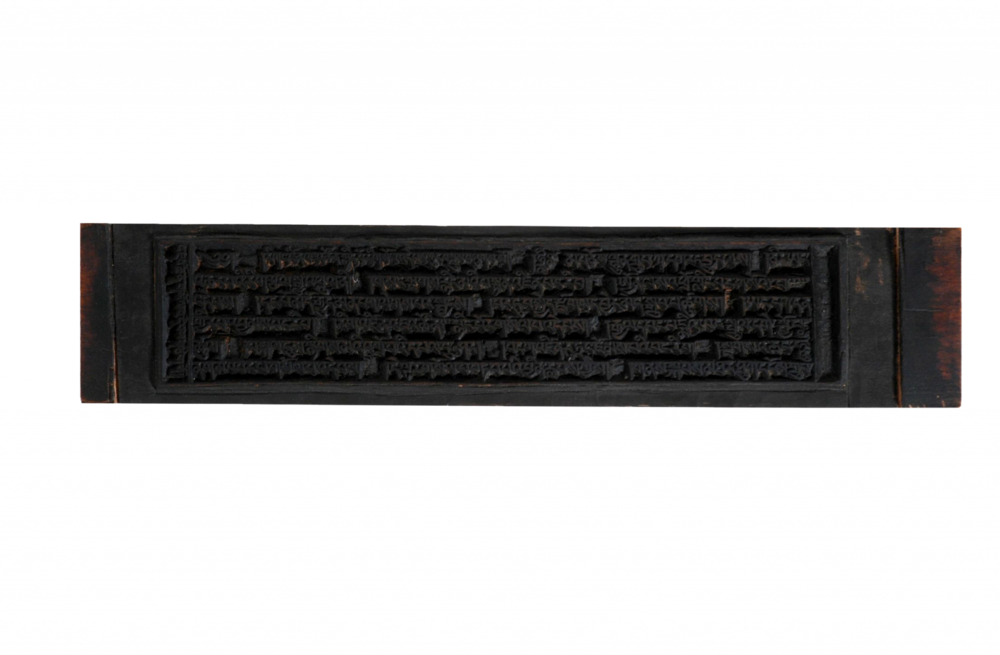
  • Printing Block for a Prayer from the Text “Embodiment of the Three Jewels” by Jatson Nyingpo (1585–1656)
  • Manjushri, the Bodhisattva of Wisdom
  • Buddha Shakyamuni
  • Machig Labdrön
  • Buddha Shakyamuni 
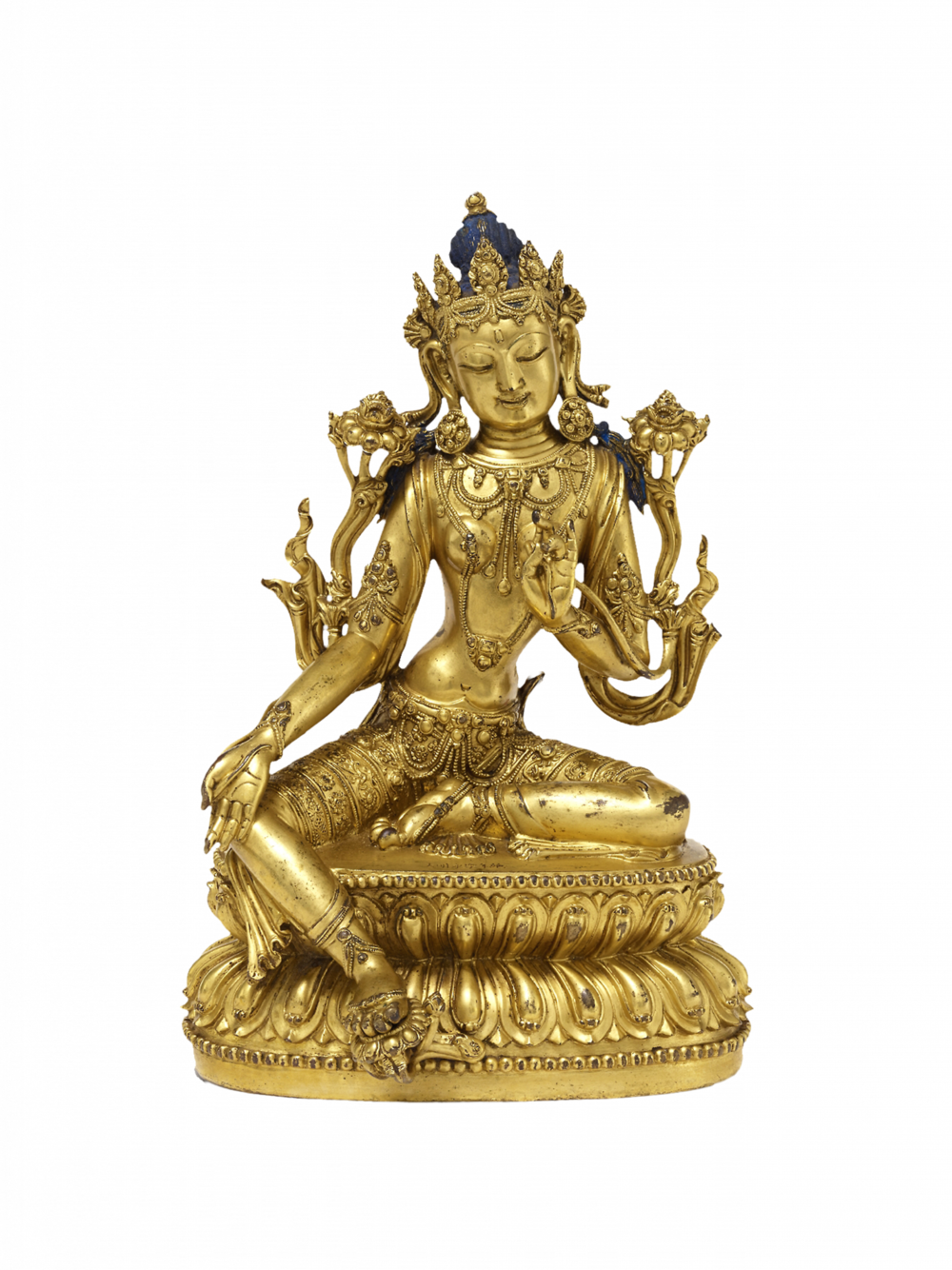
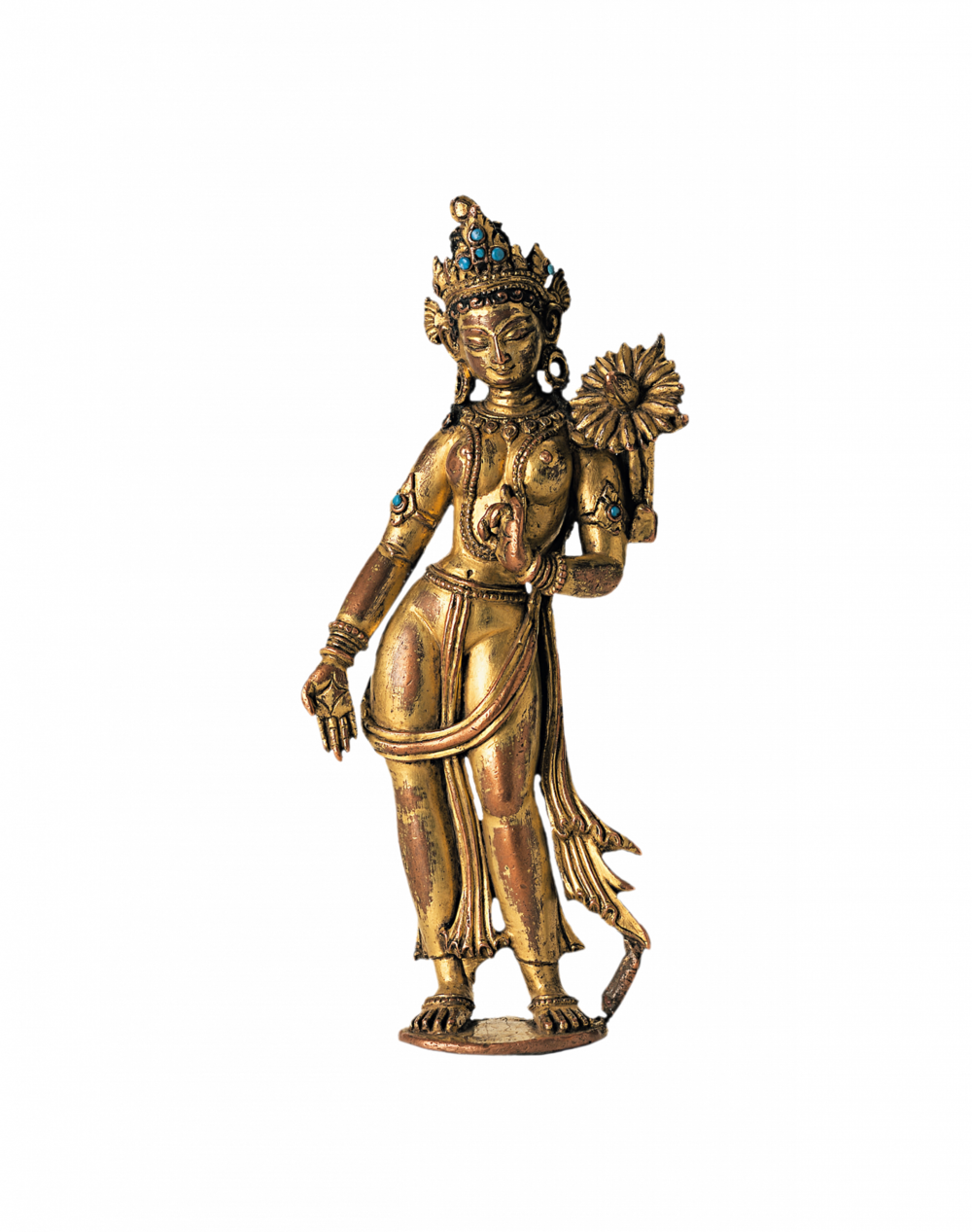
  • Shyamatara, Green Tara
  • Buddha Shakyamuni Tames the Wild Elephant Nalagiri
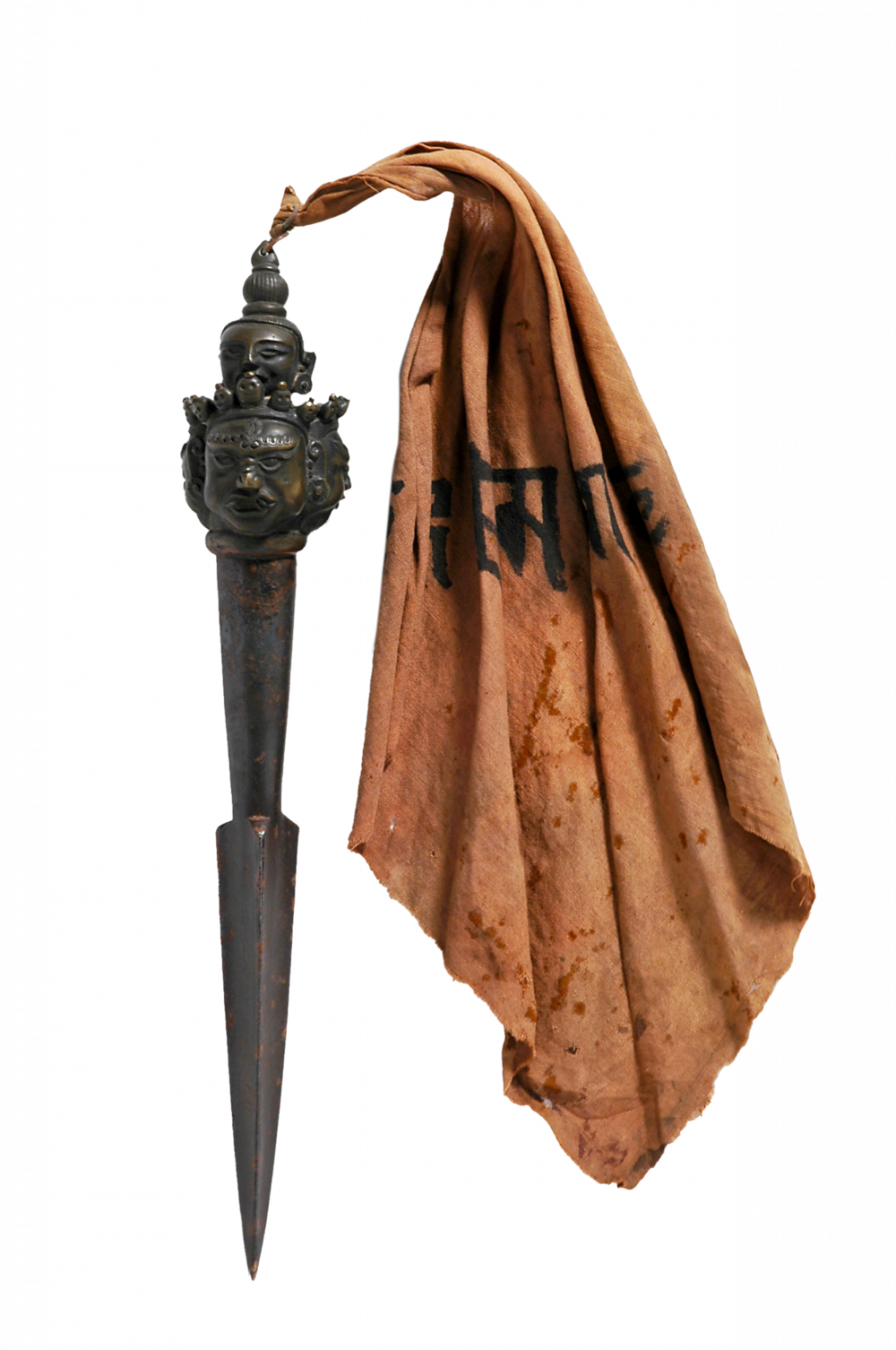
  • Ceremonial Dagger Featuring the God of Death
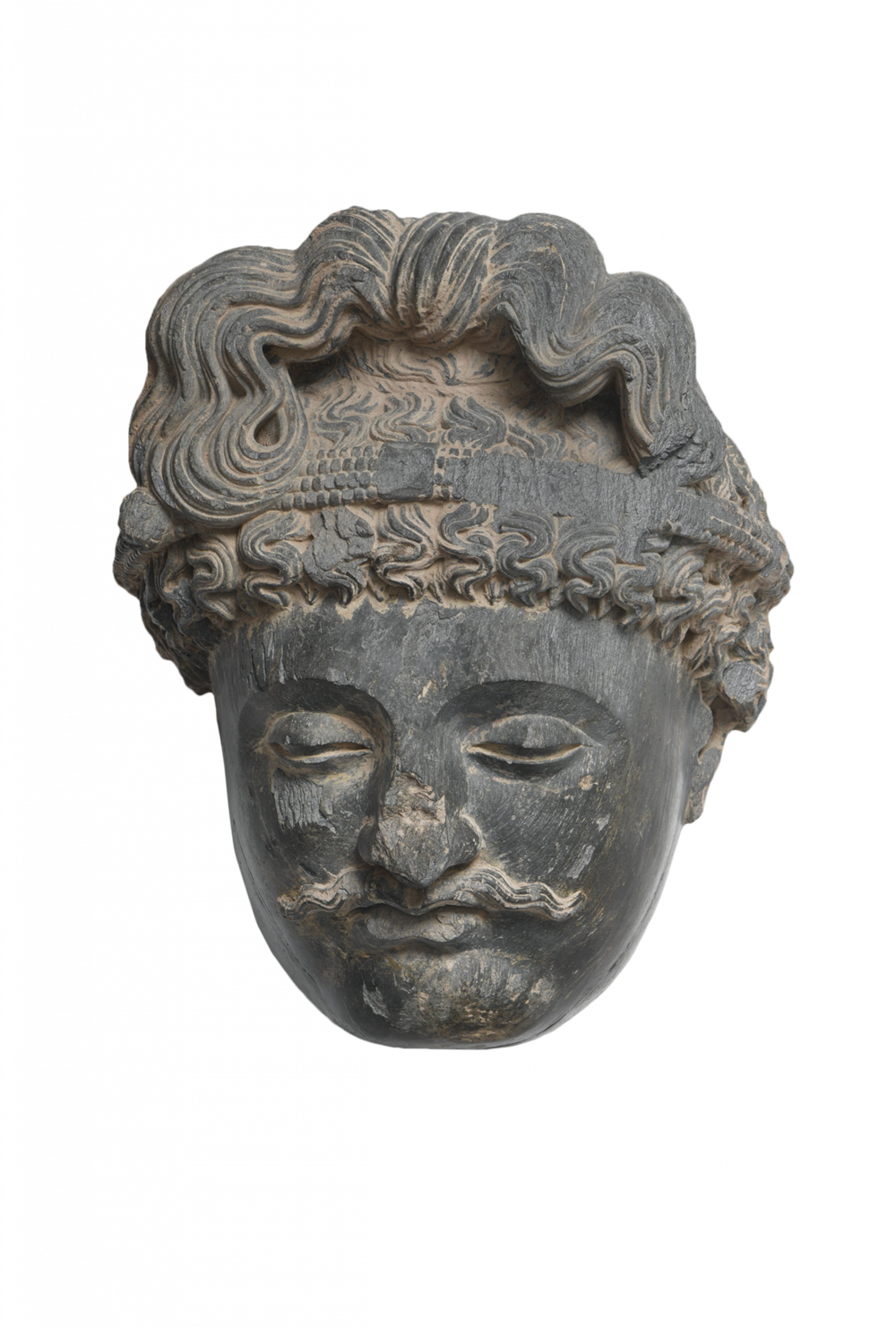
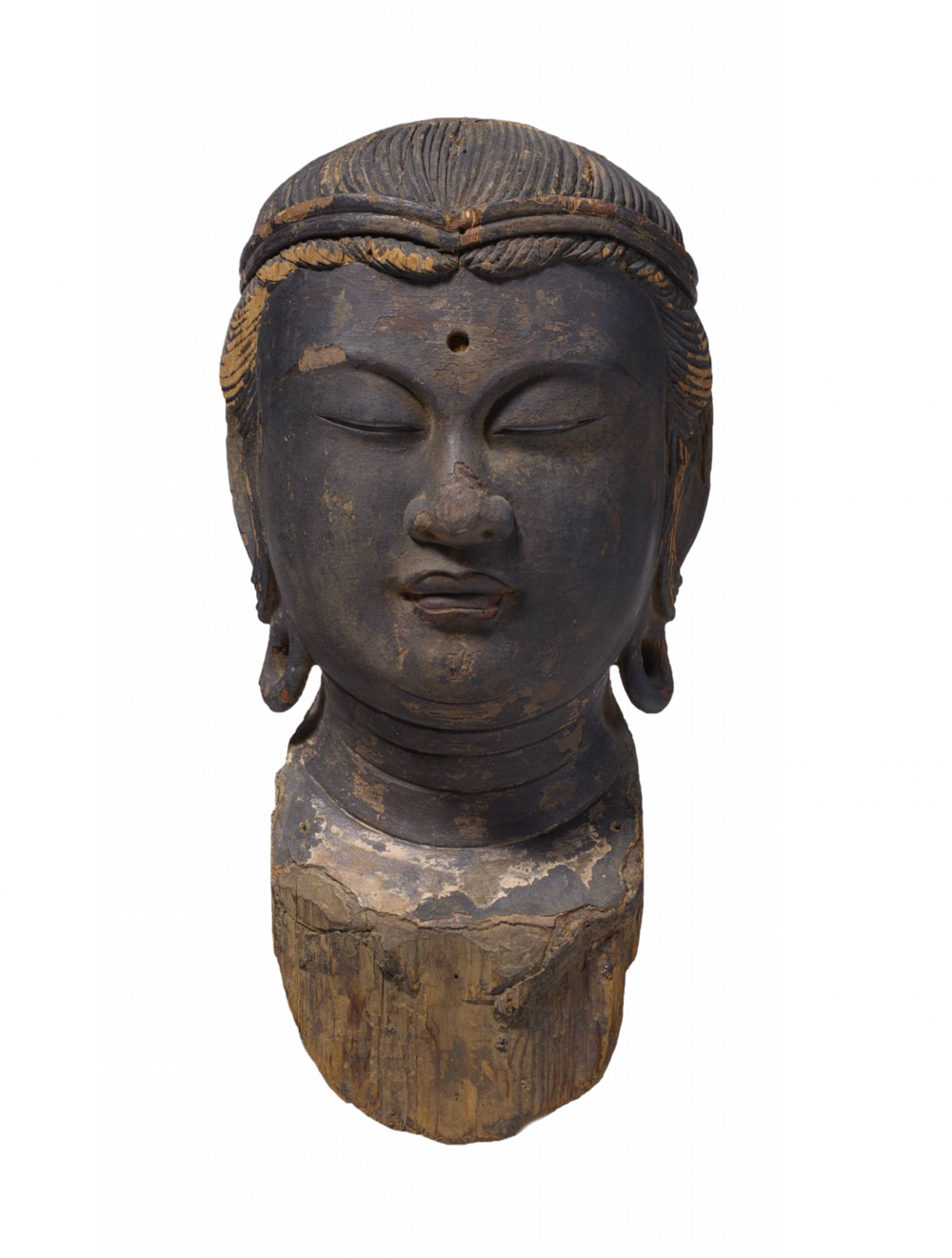
  • Head of a Bodhisattva
  • Padmasambhava with his 25 Tibetan Pupils

From a series of 7 thangkas
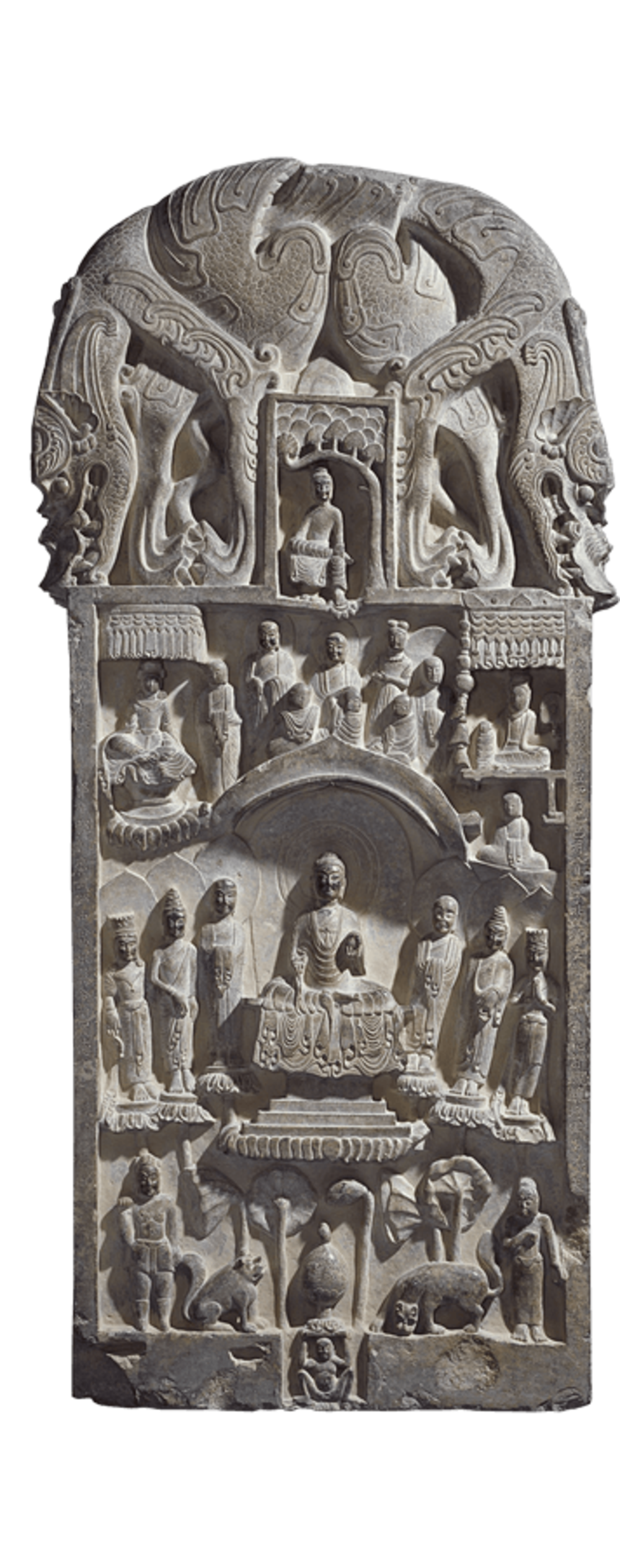
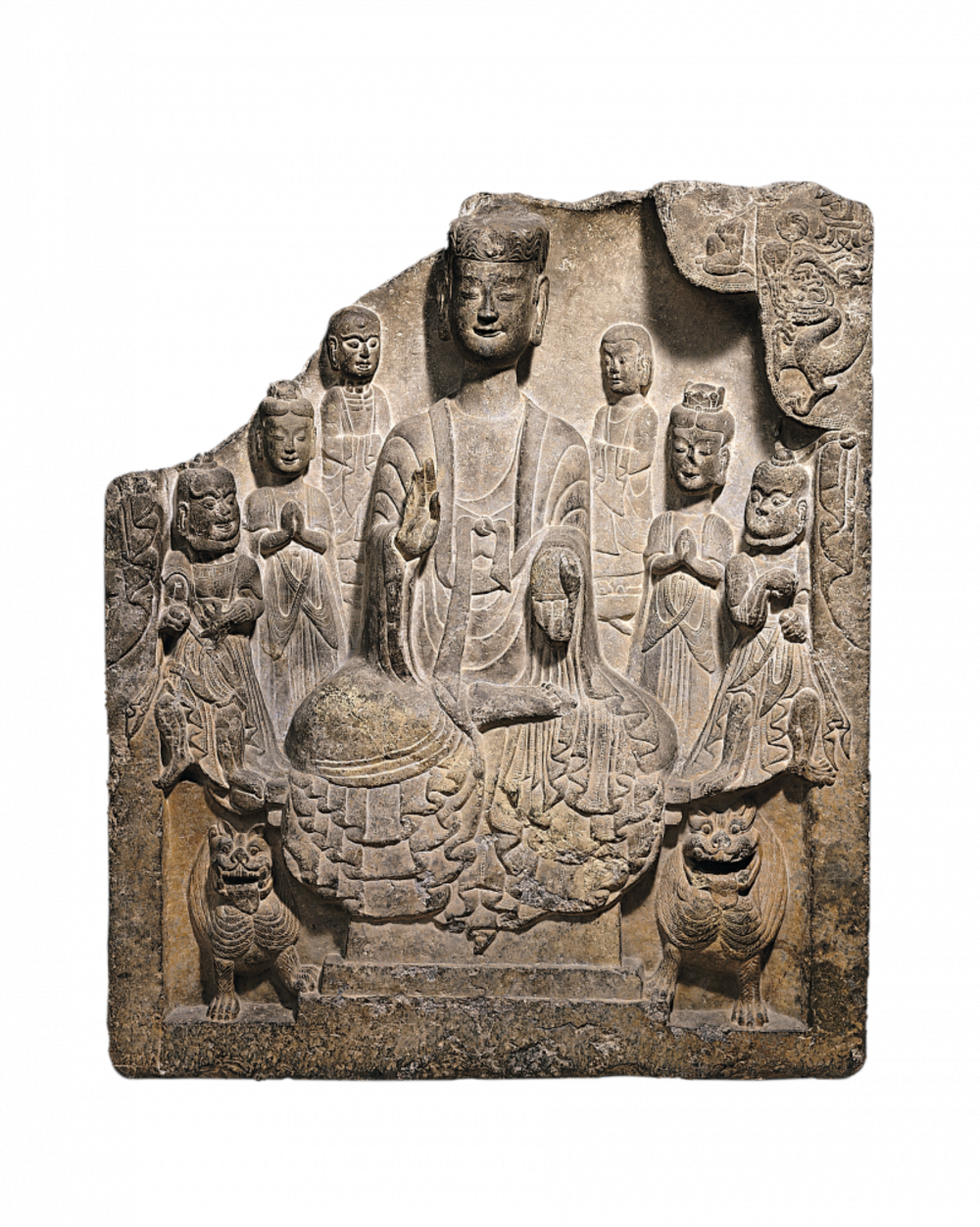
  • Votive Stela Depicting Buddha Shakyamuni
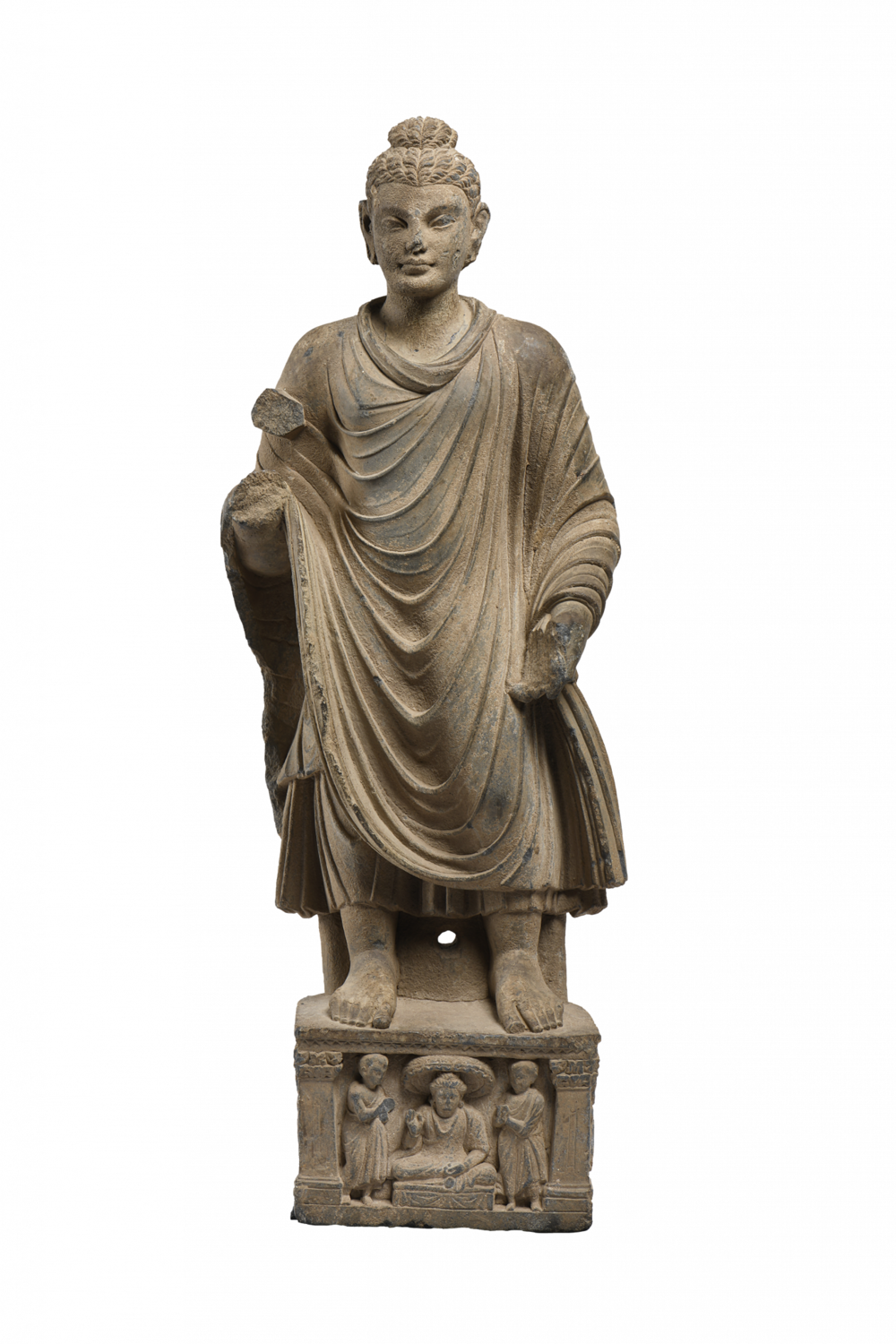
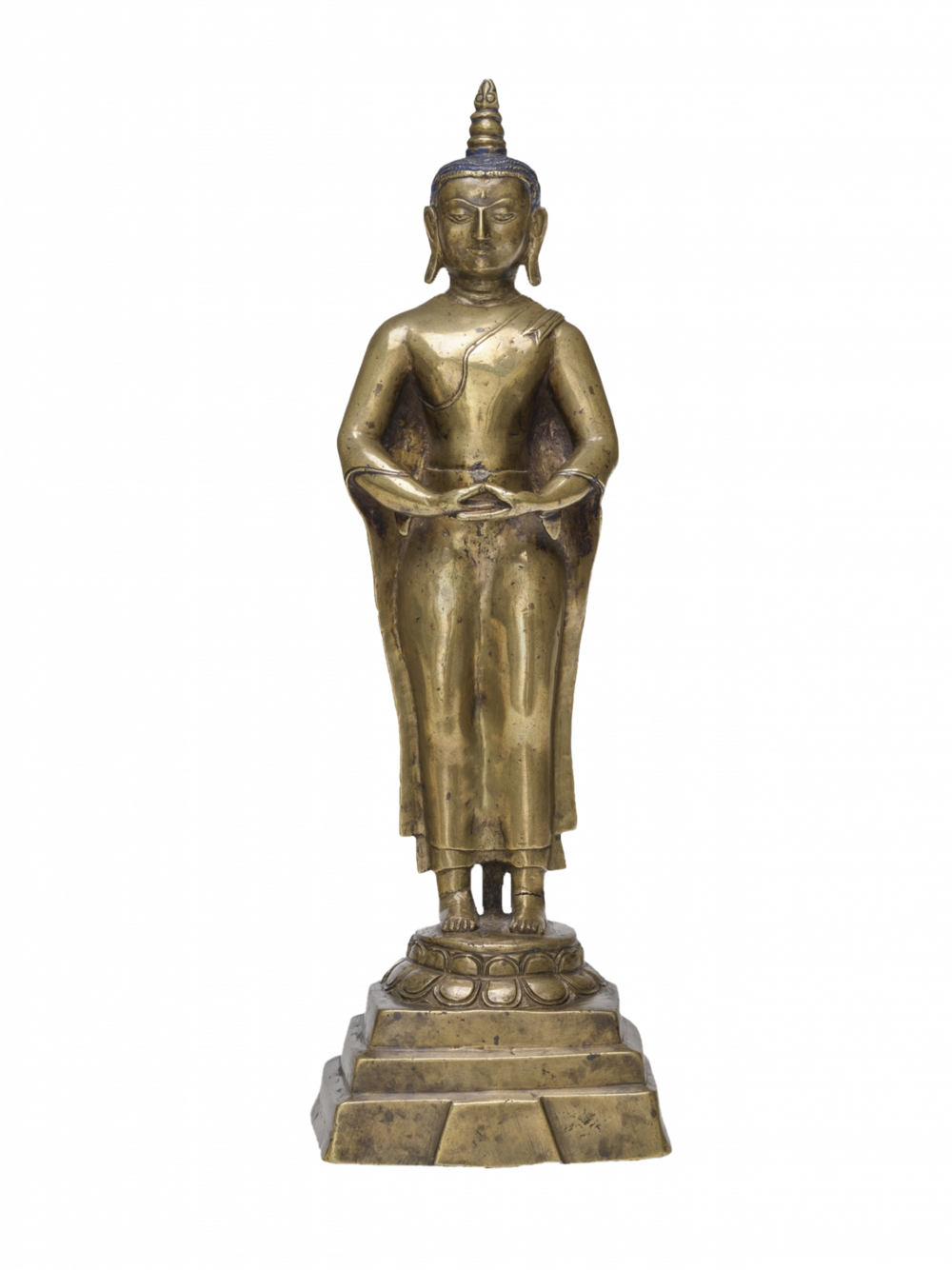
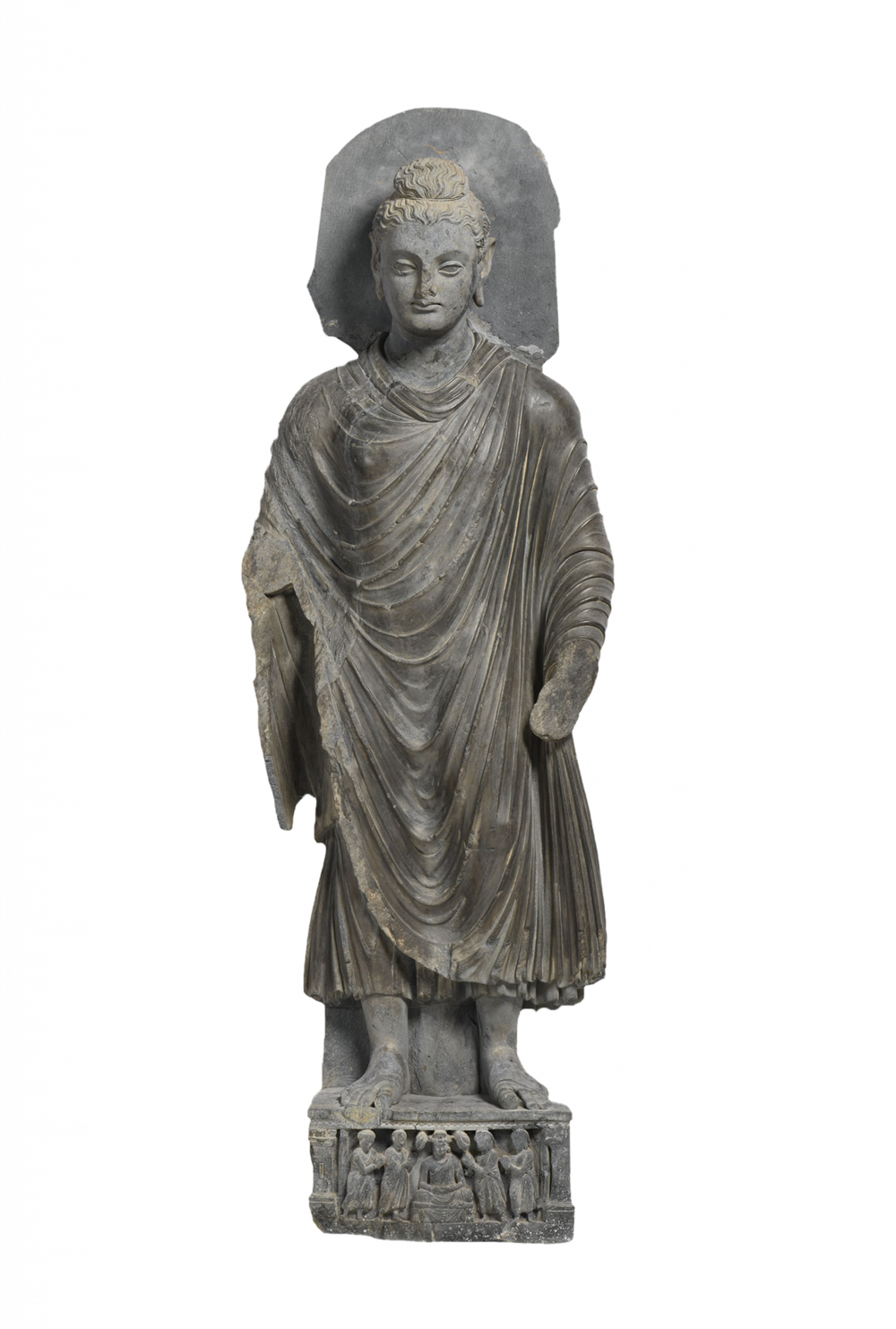
  • Standing Buddha Shakyamuni
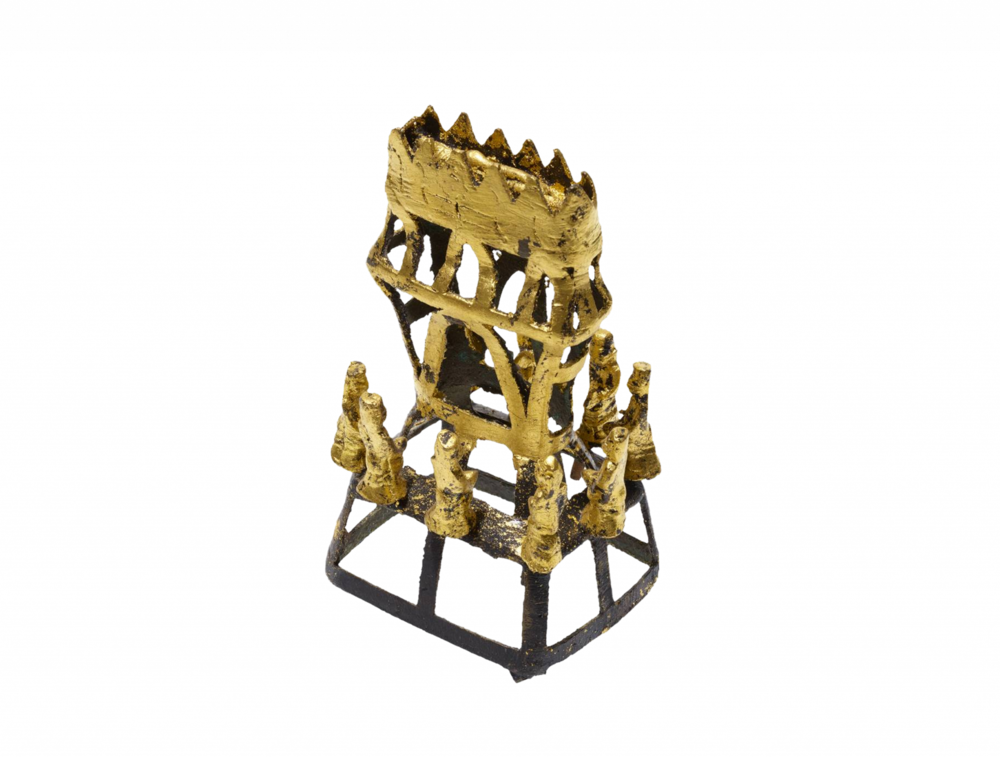
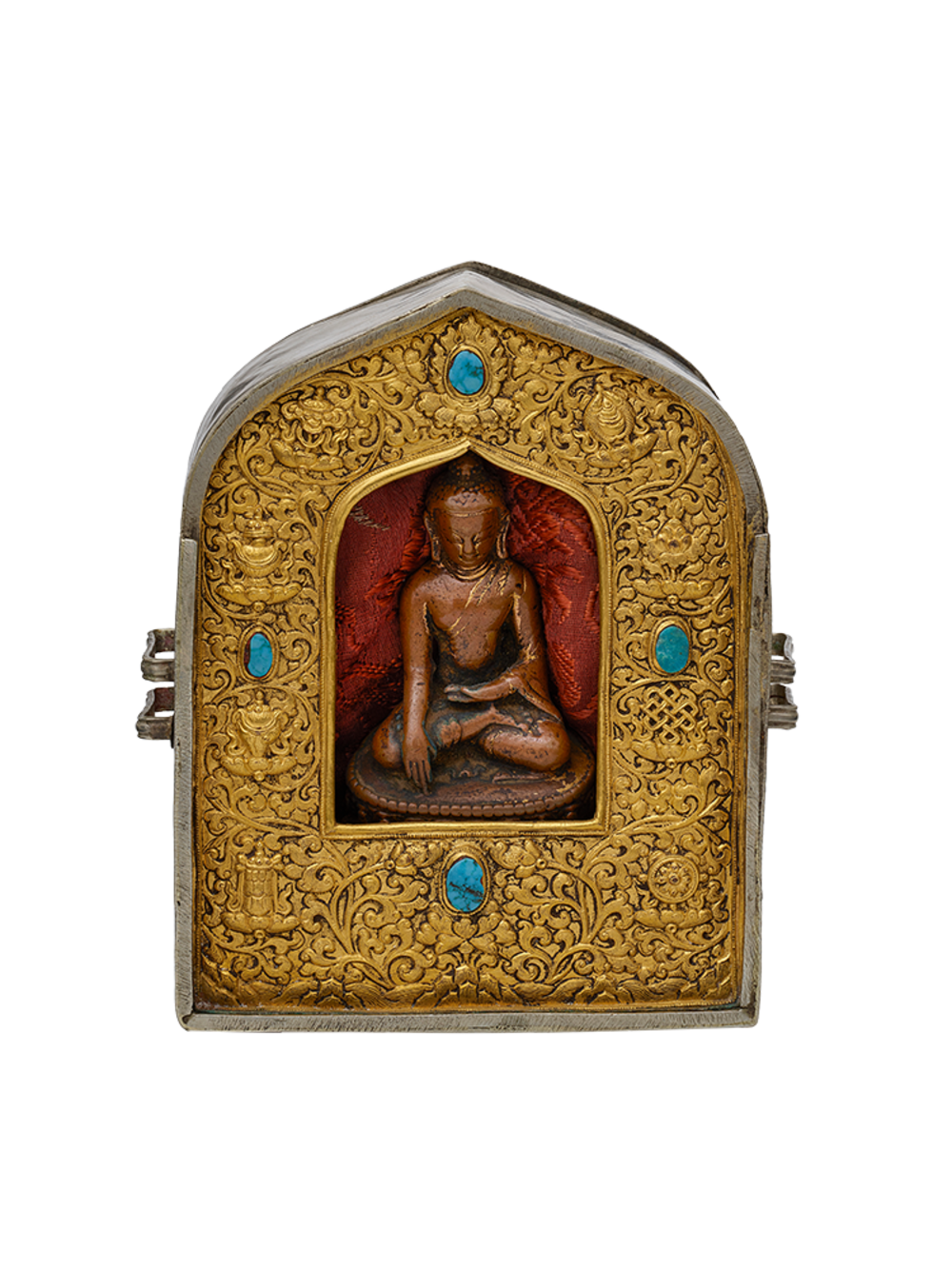
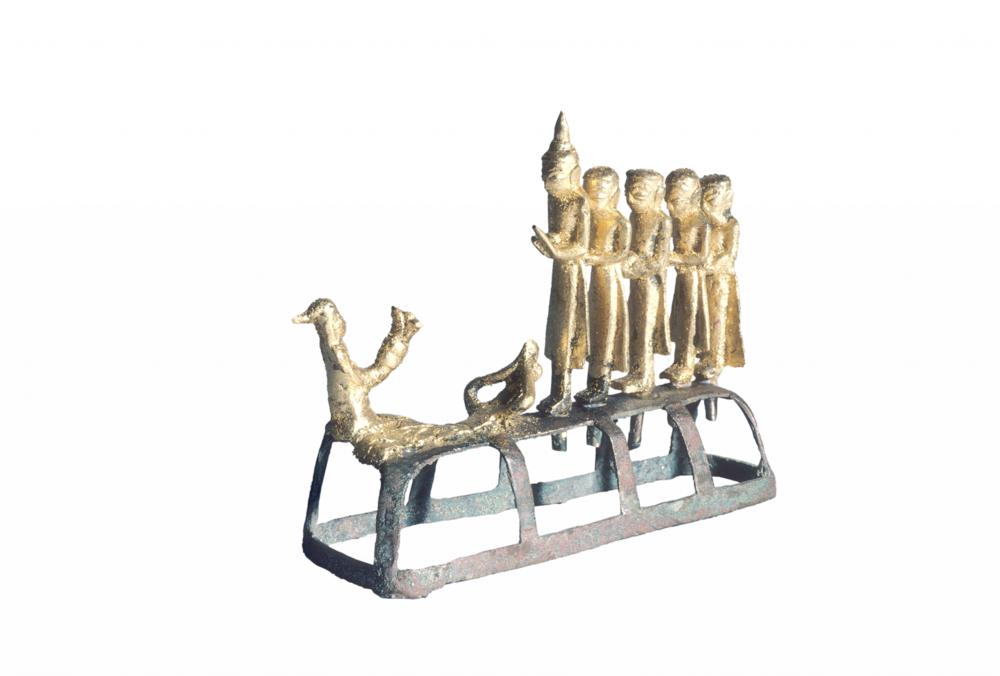
  • Travel Shrine
  • The Buddha Invokes the Earth Goddess as his Witness
  • The Bodhisattva of Compassion as the Bringer of Sons
  • The Death of the Buddha
  • Buddha Shakyamuni Meditating Under the Bodhi Tree
  • The Buddha Begins Teaching
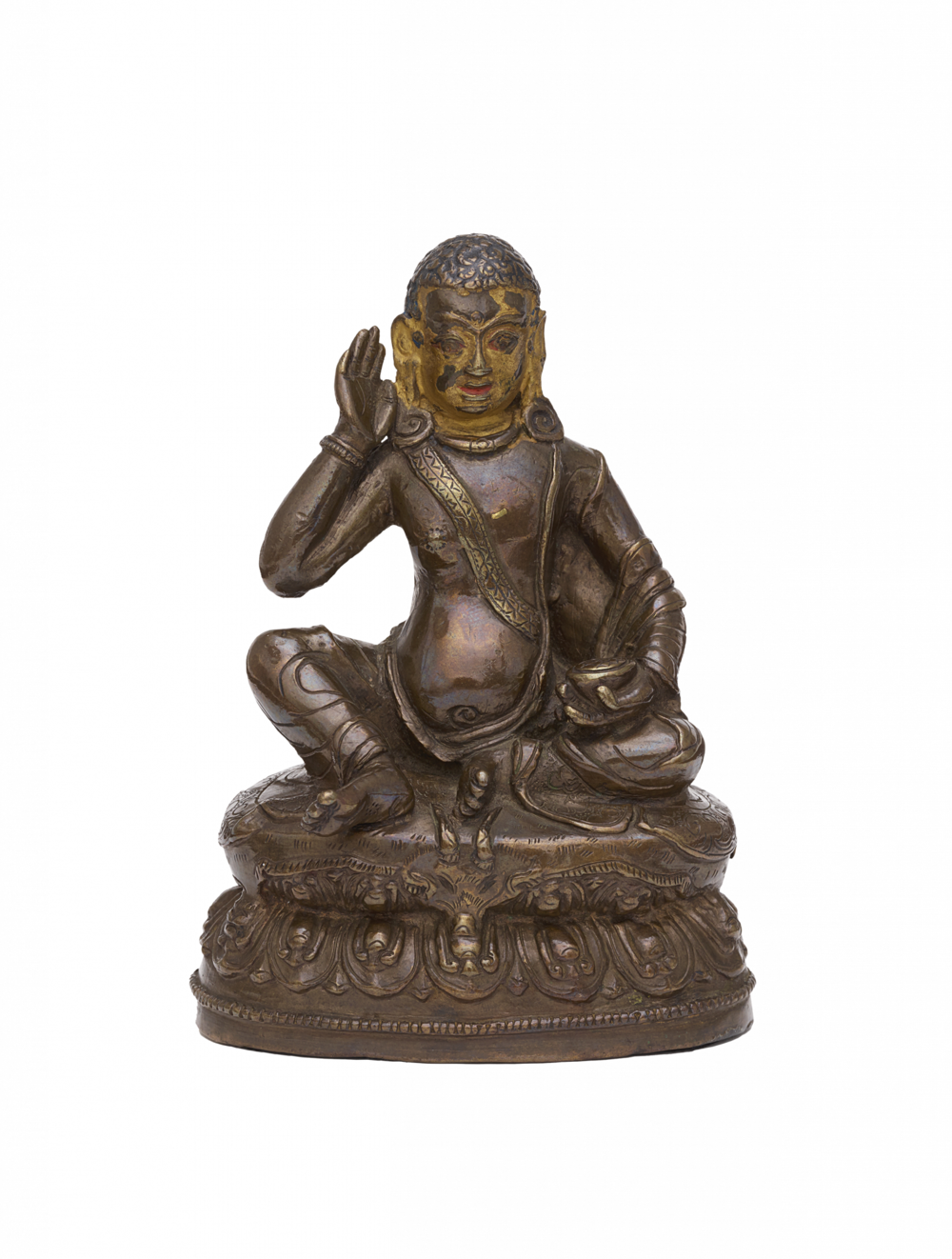
  • The Ascetic Milarepa
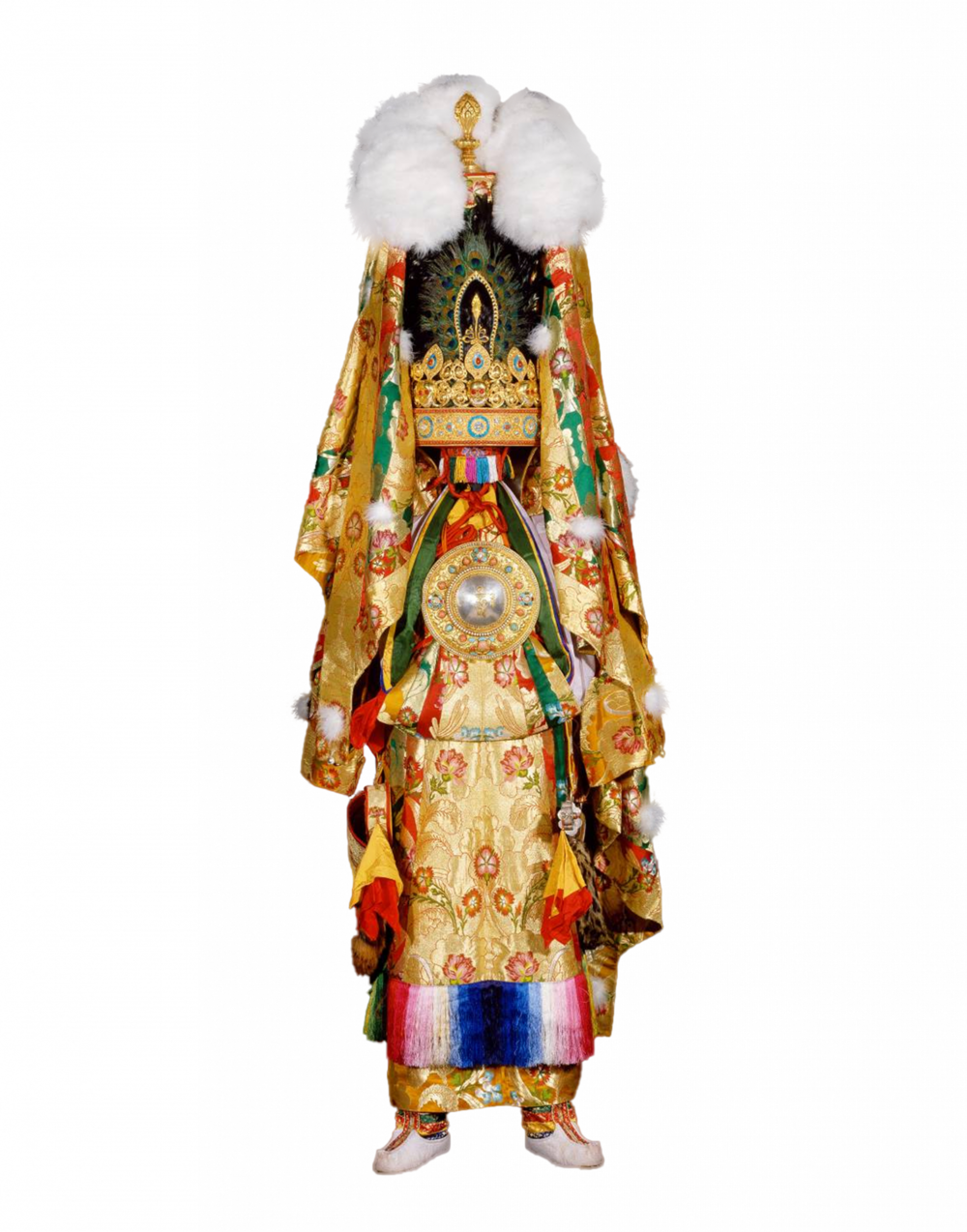
  • State Oracle Garment
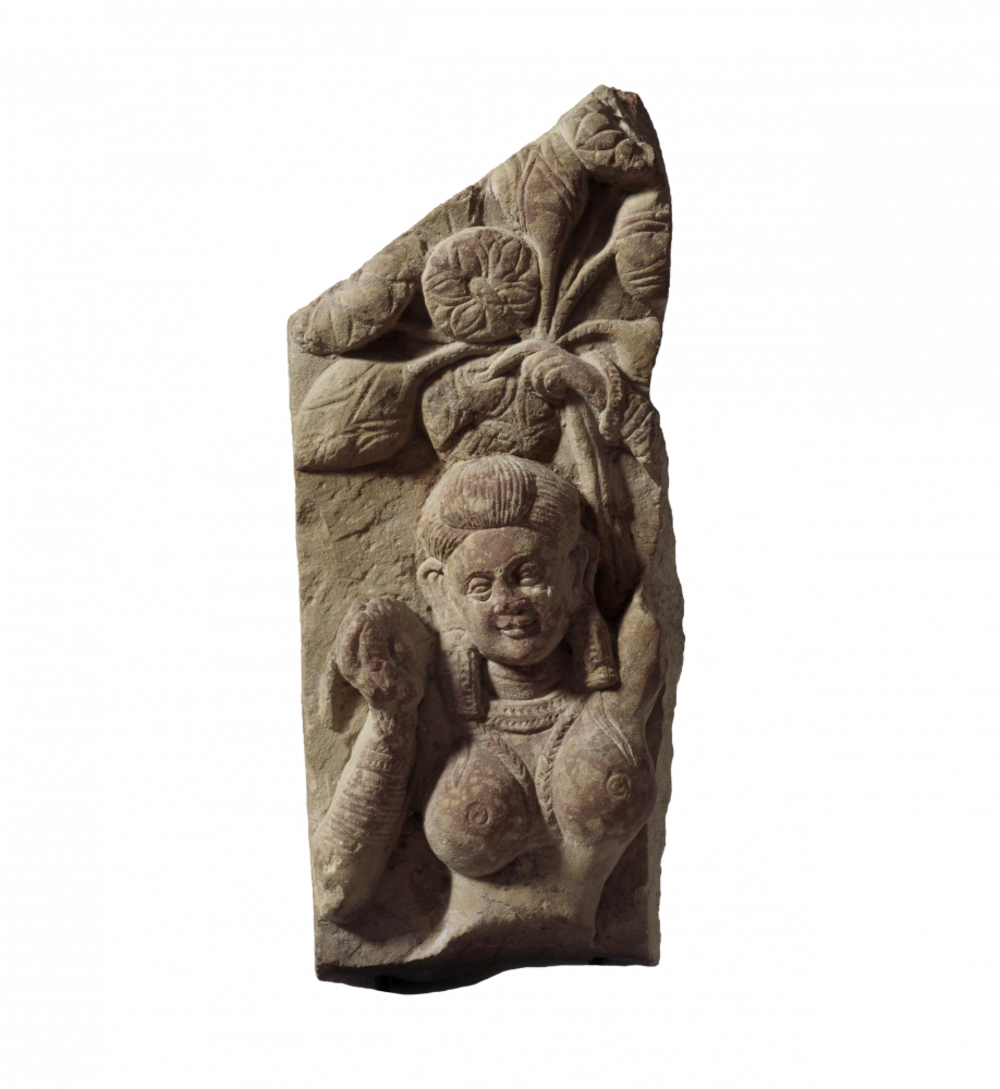
  • Yakshi, Nymph with Lotus Flowers,  fragment of a baluster
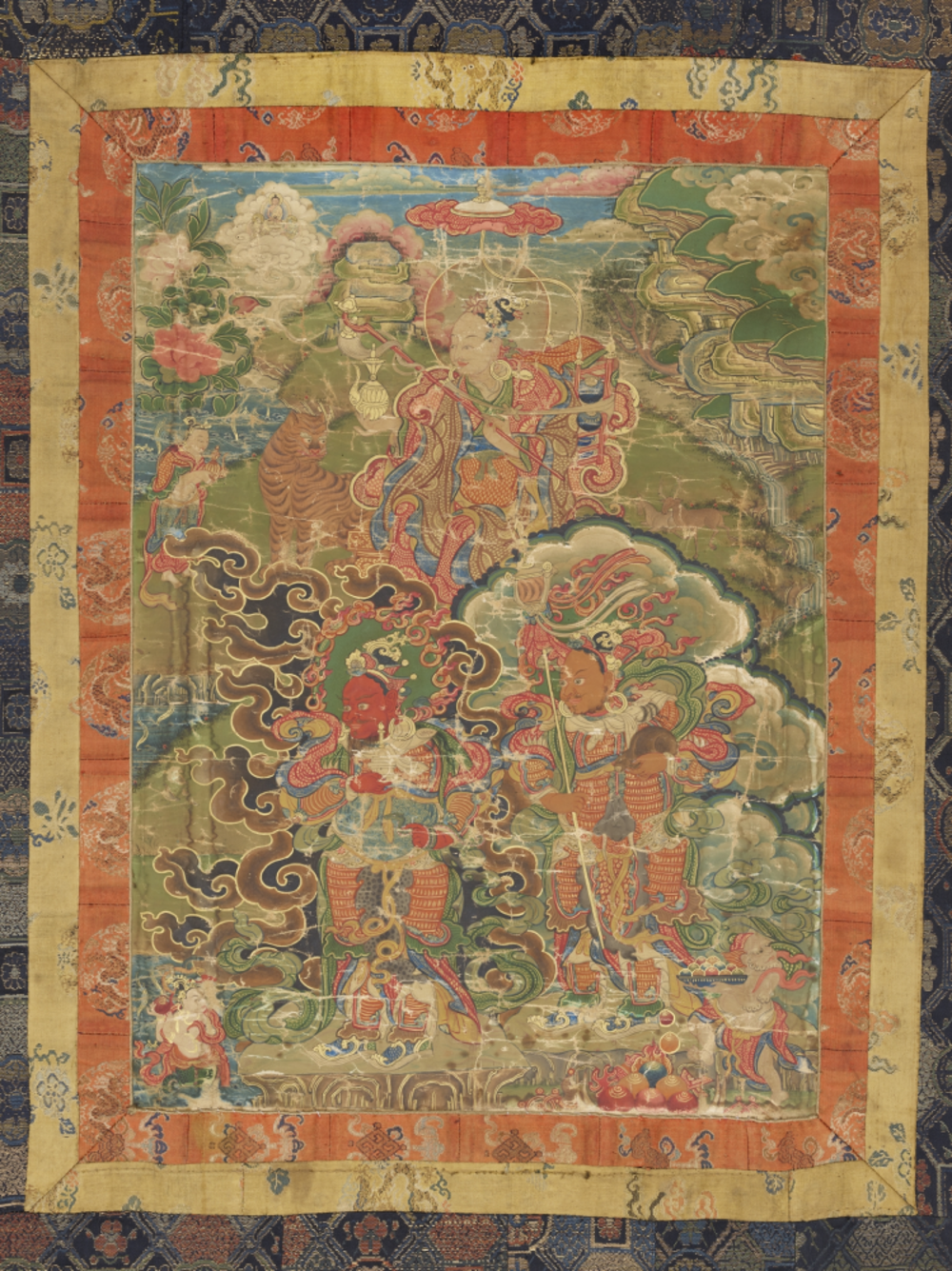
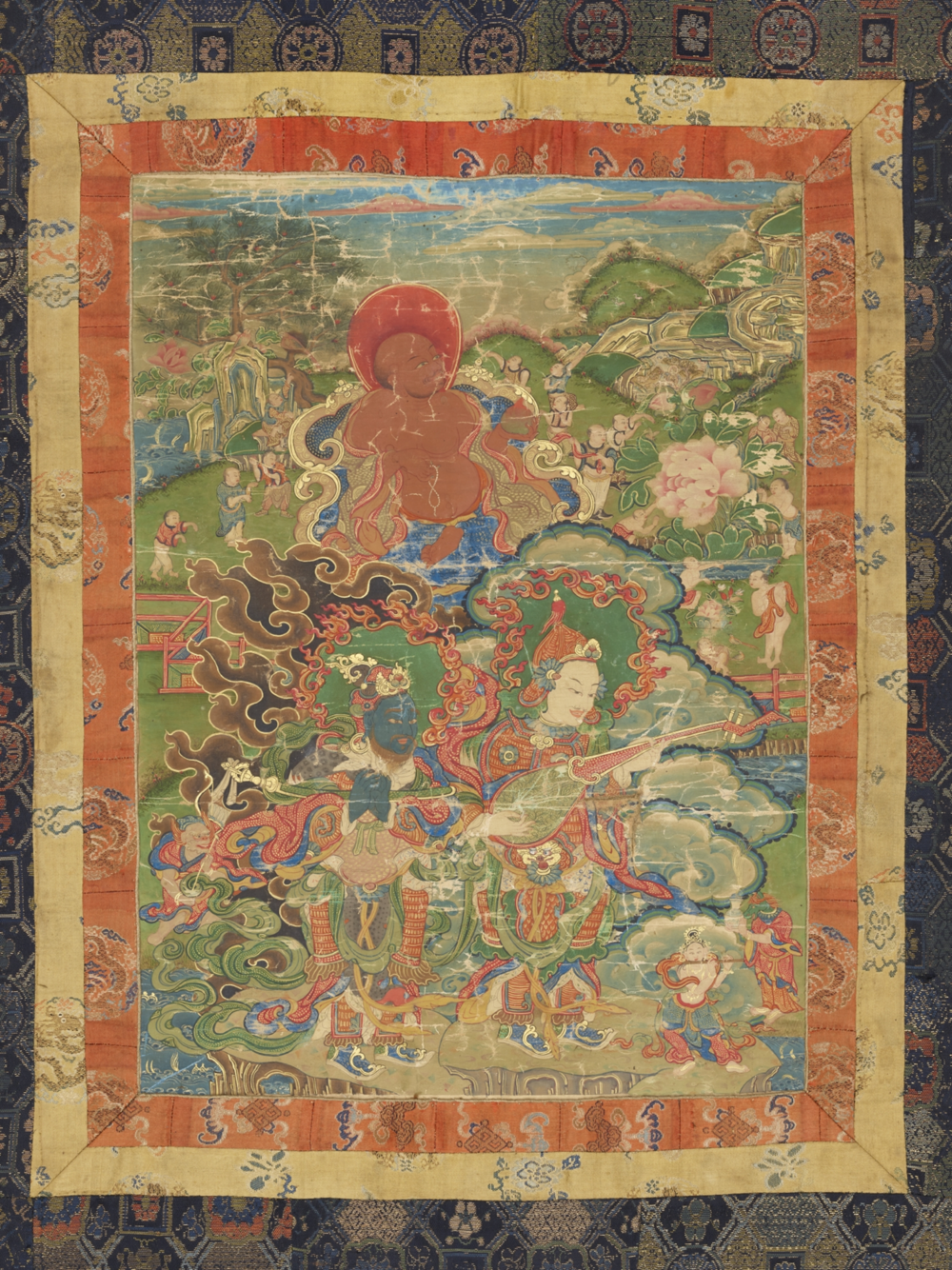
  • Dharmatala and two lokapalas

From a series of 7 thangkas with Buddha Shakyamuni and the 18 arhats
  • Budai
  • Amida Nyorai, Buddha of the Western Paradise
  • Mahasiddha Virupa
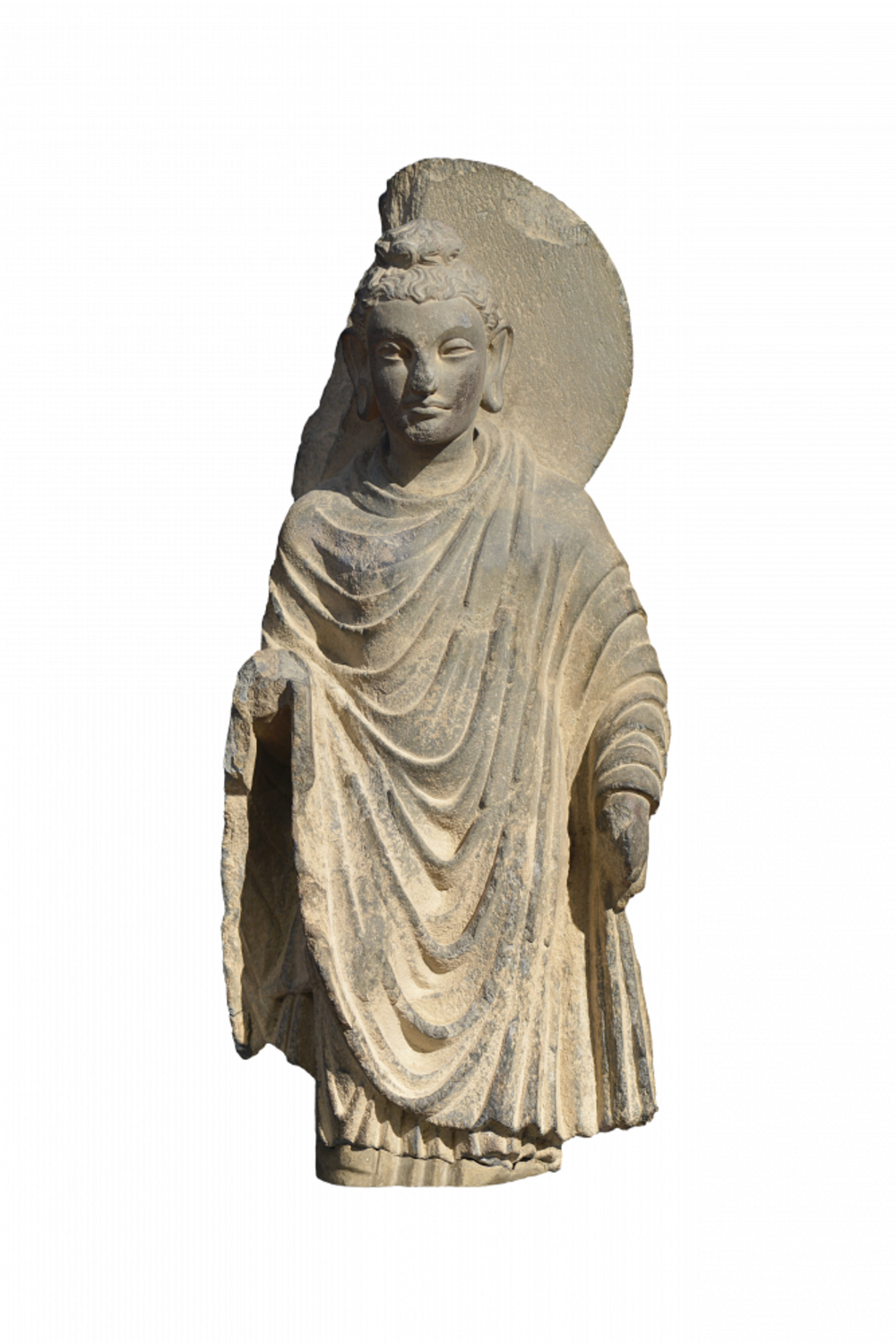
  • Standing Buddha Shakyamuni
  • Head of a Lokeshvara
  • The Prophecy of the Wise Asita
  • Buddha Shakyamuni Attains Awakening Under the Bodhi Tree
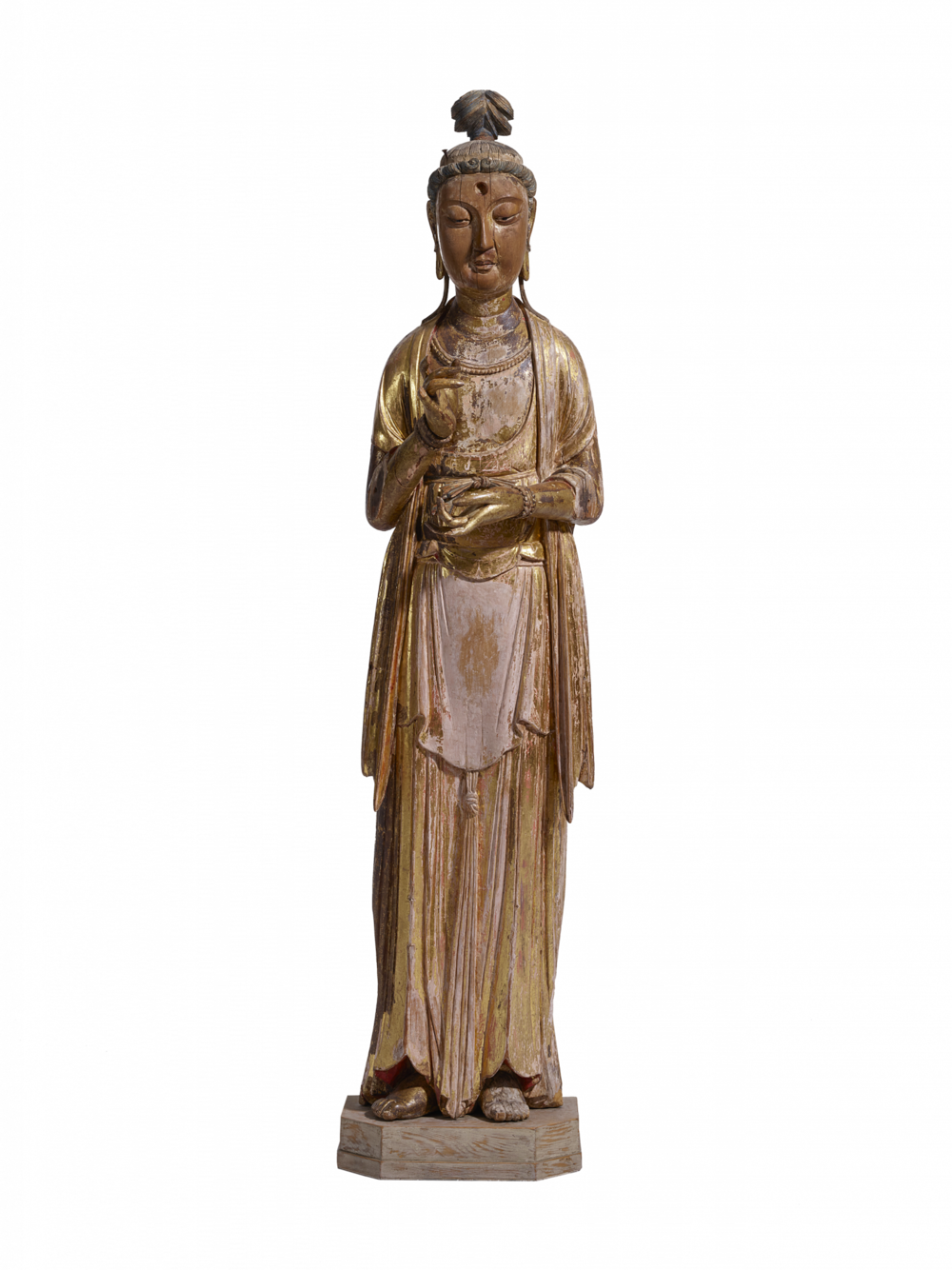
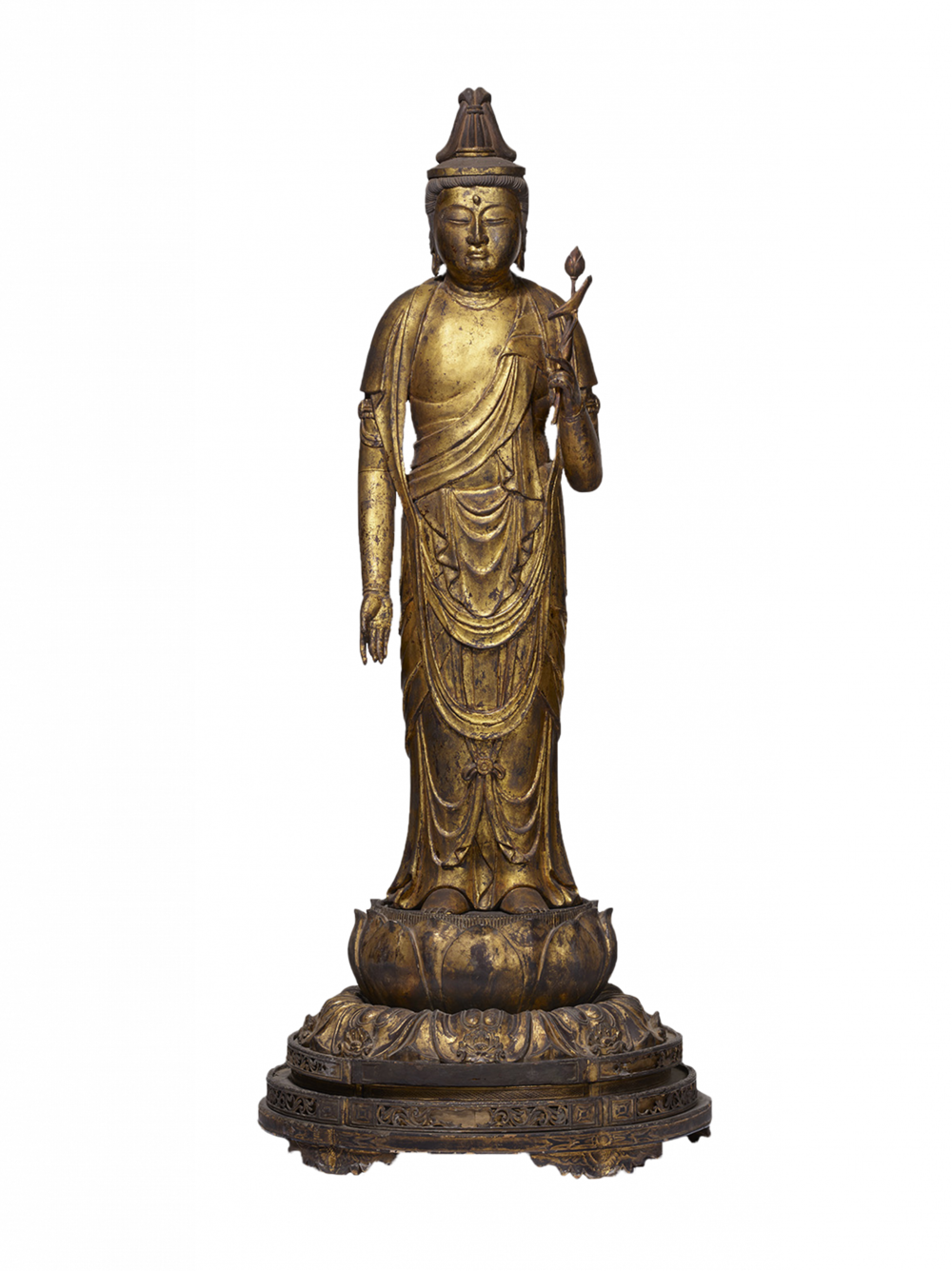
  • Standing Bodhisattva
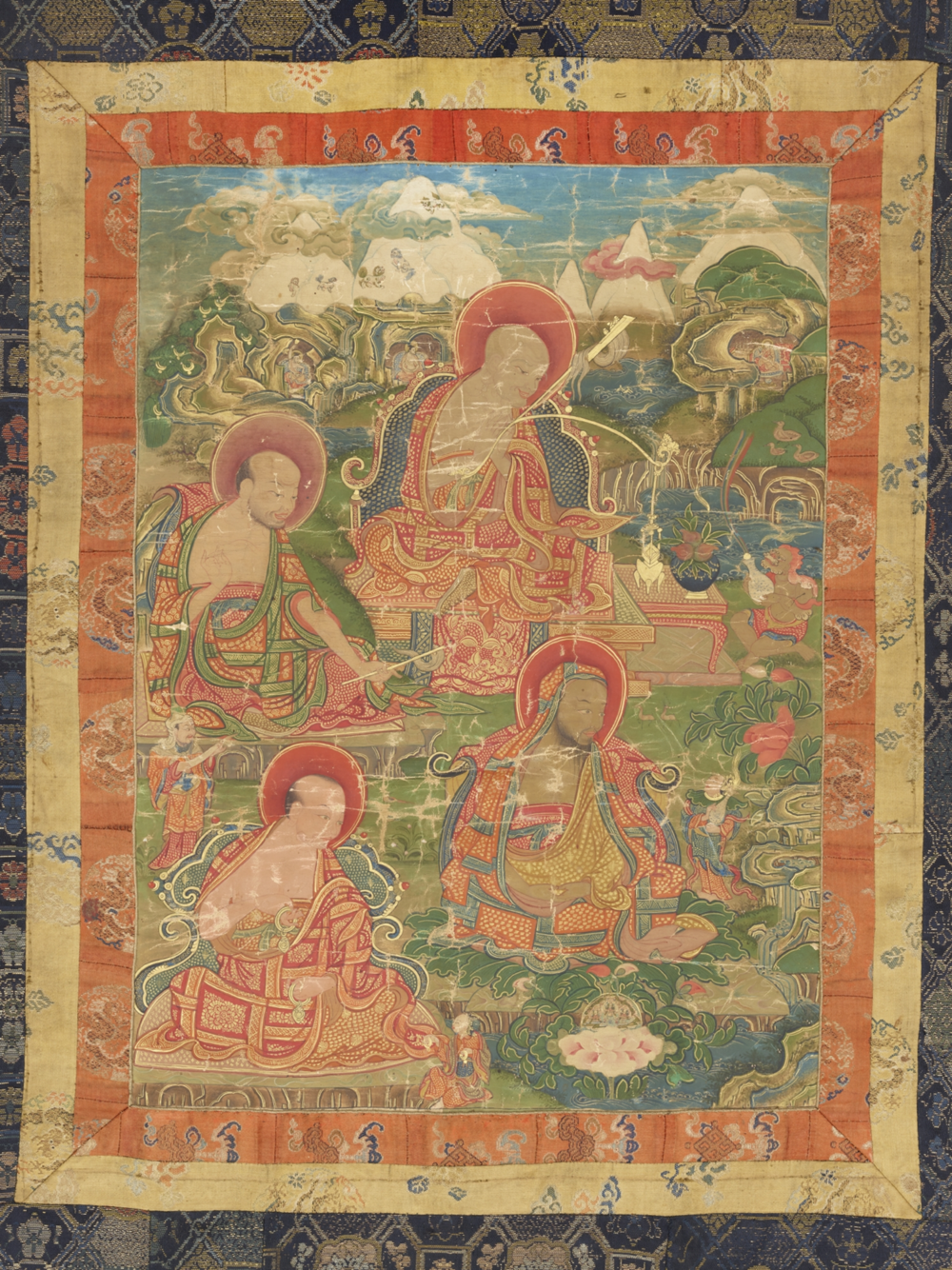
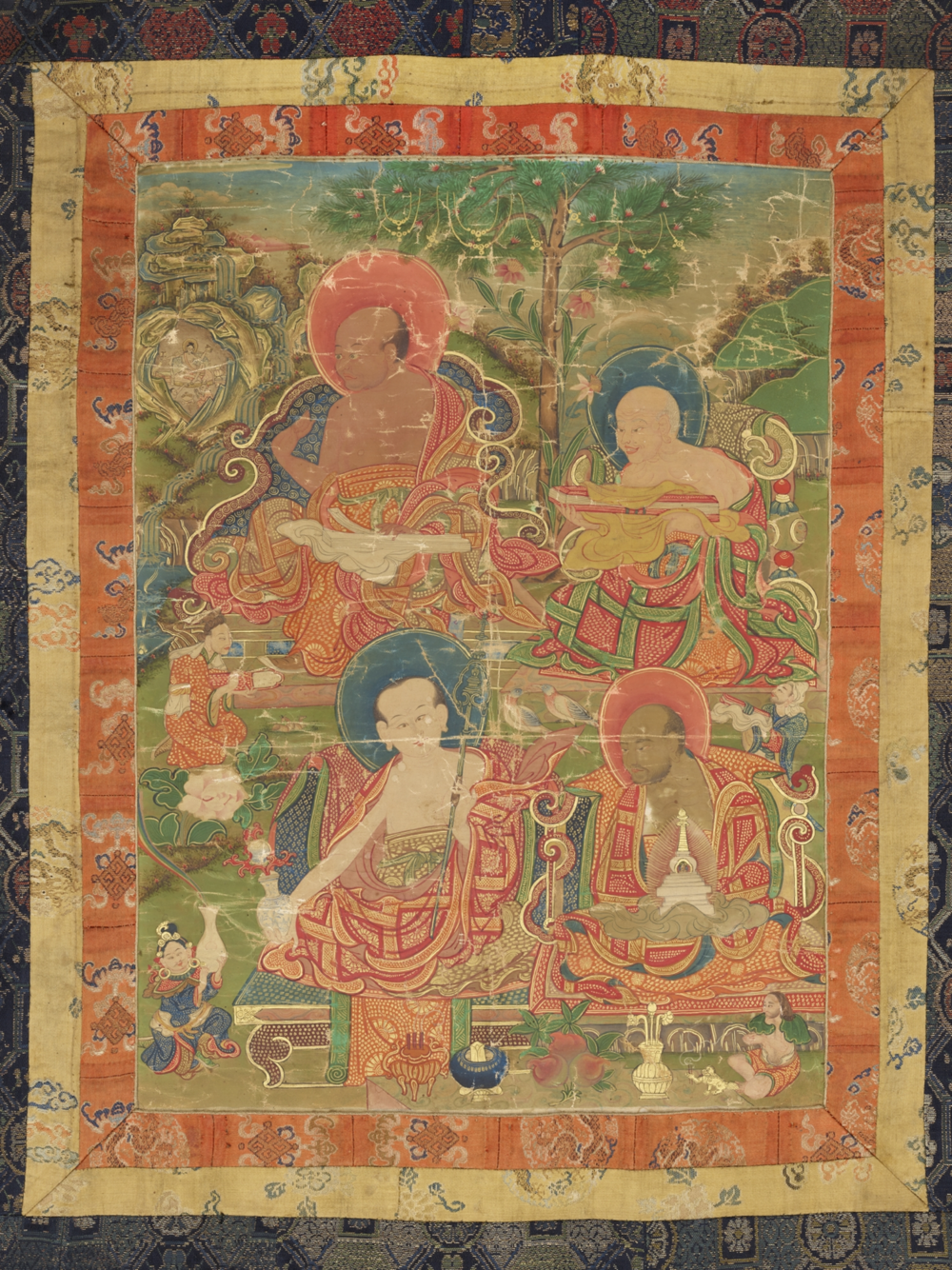
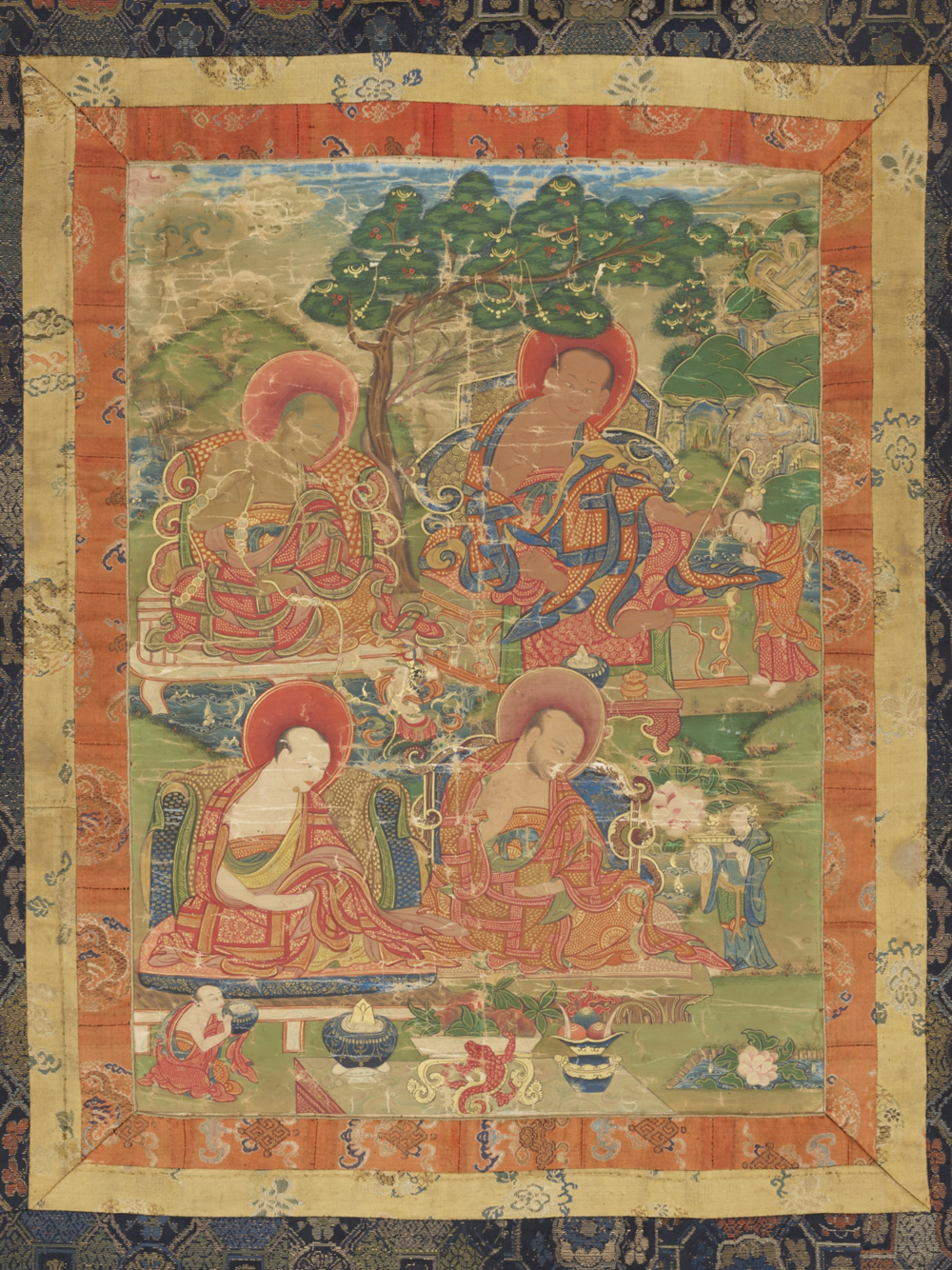
  • The Arhats Vanavasin, Angaja, Kalika, and Ajita

From a series of 7 thangkas with Buddha Shakyamuni and the 18 arhats
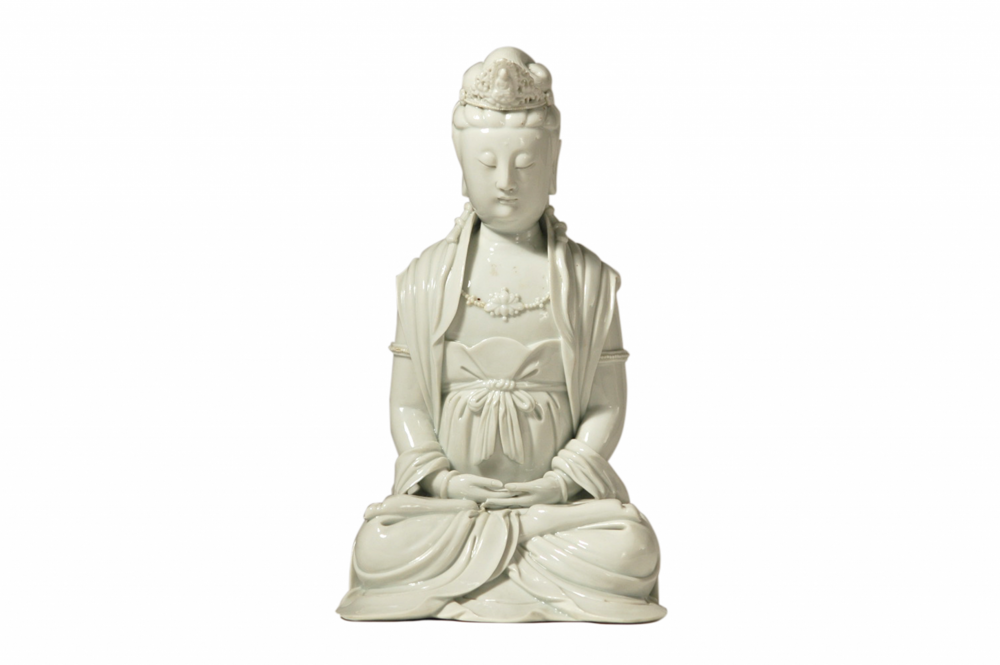
  • Guanyin, the Bodhisattva of Compassion
  • Buddha Shakyamuni
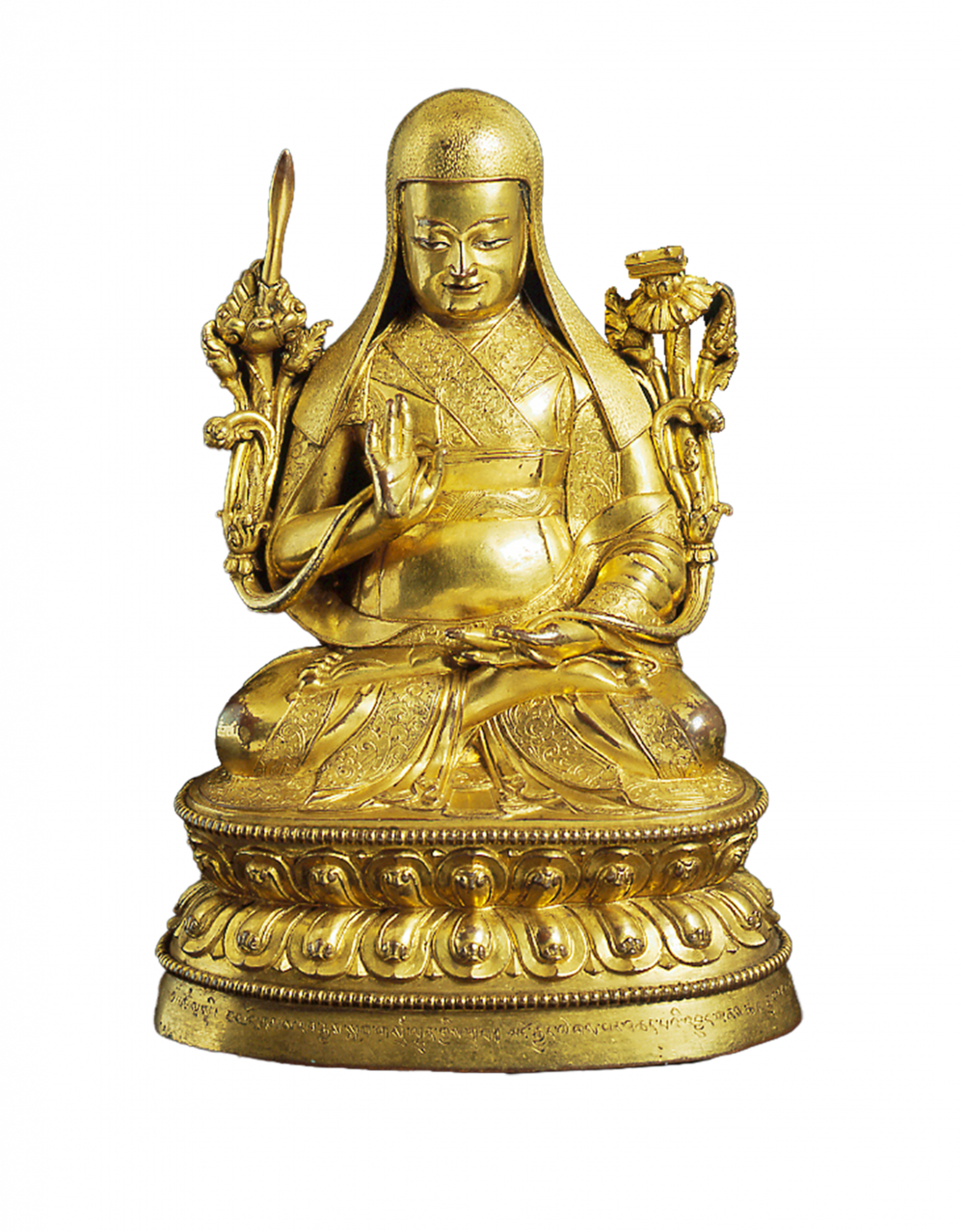
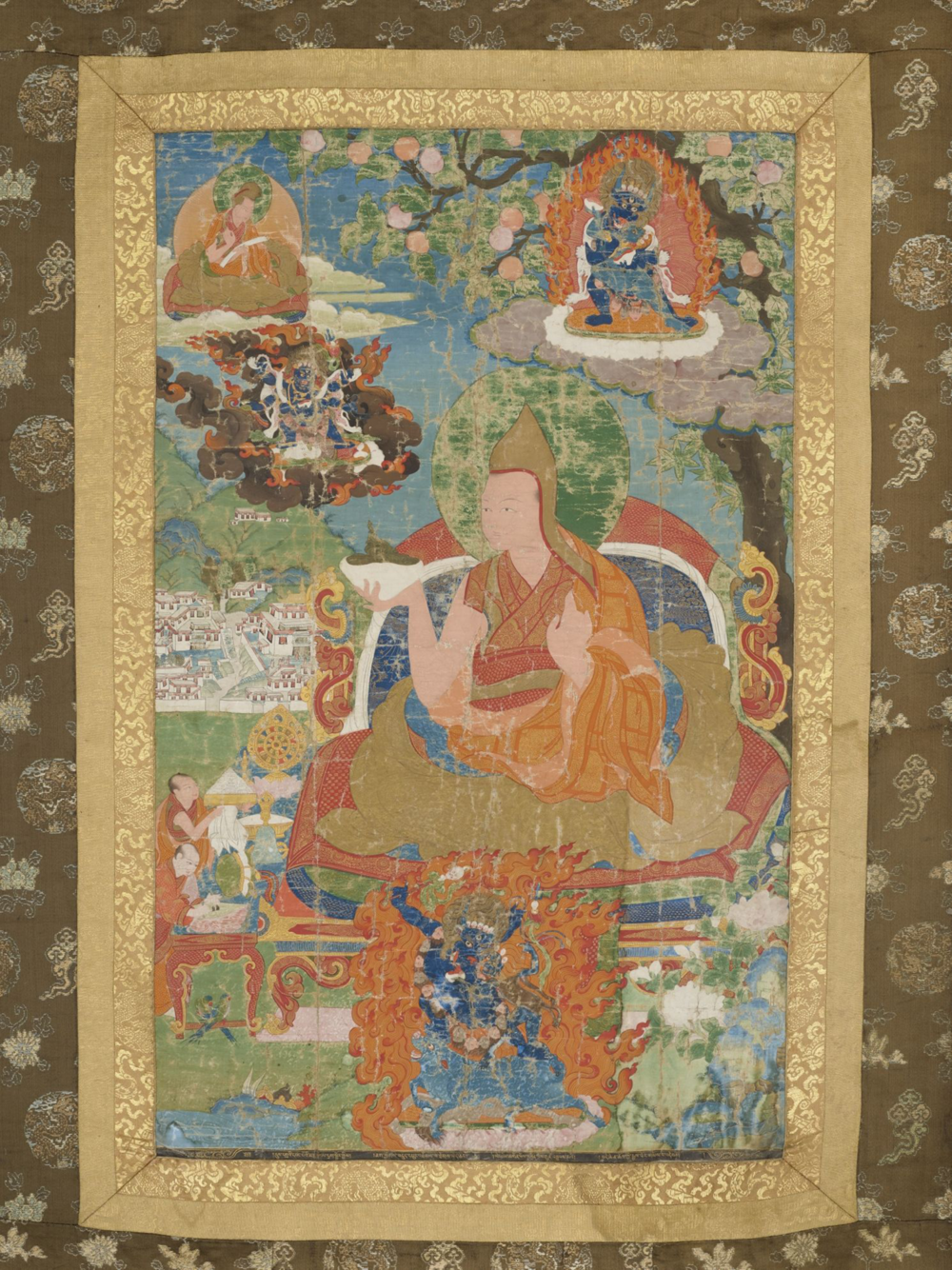
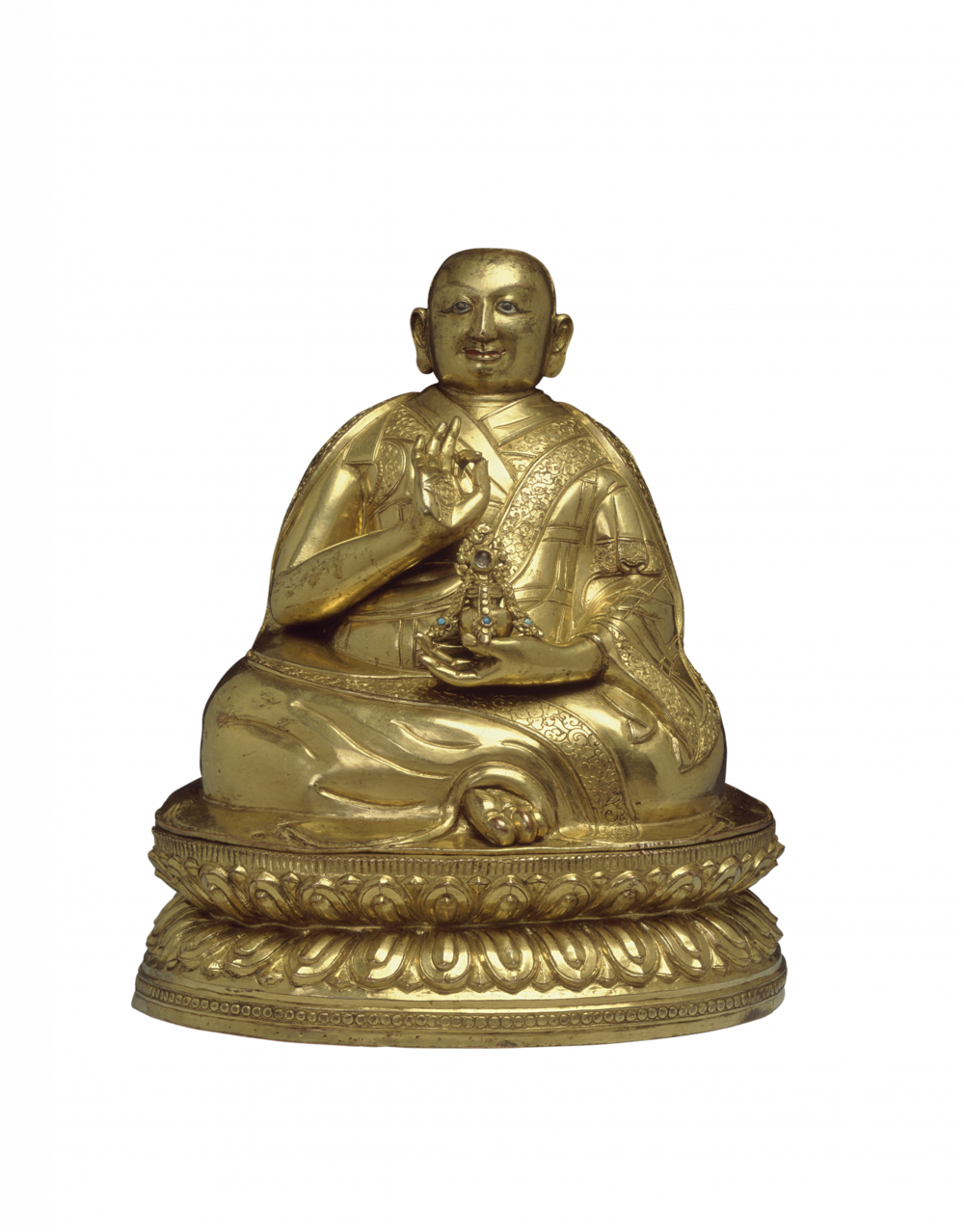
  • The 4th Dalai Lama Yonten Gyatso (1589–1617)
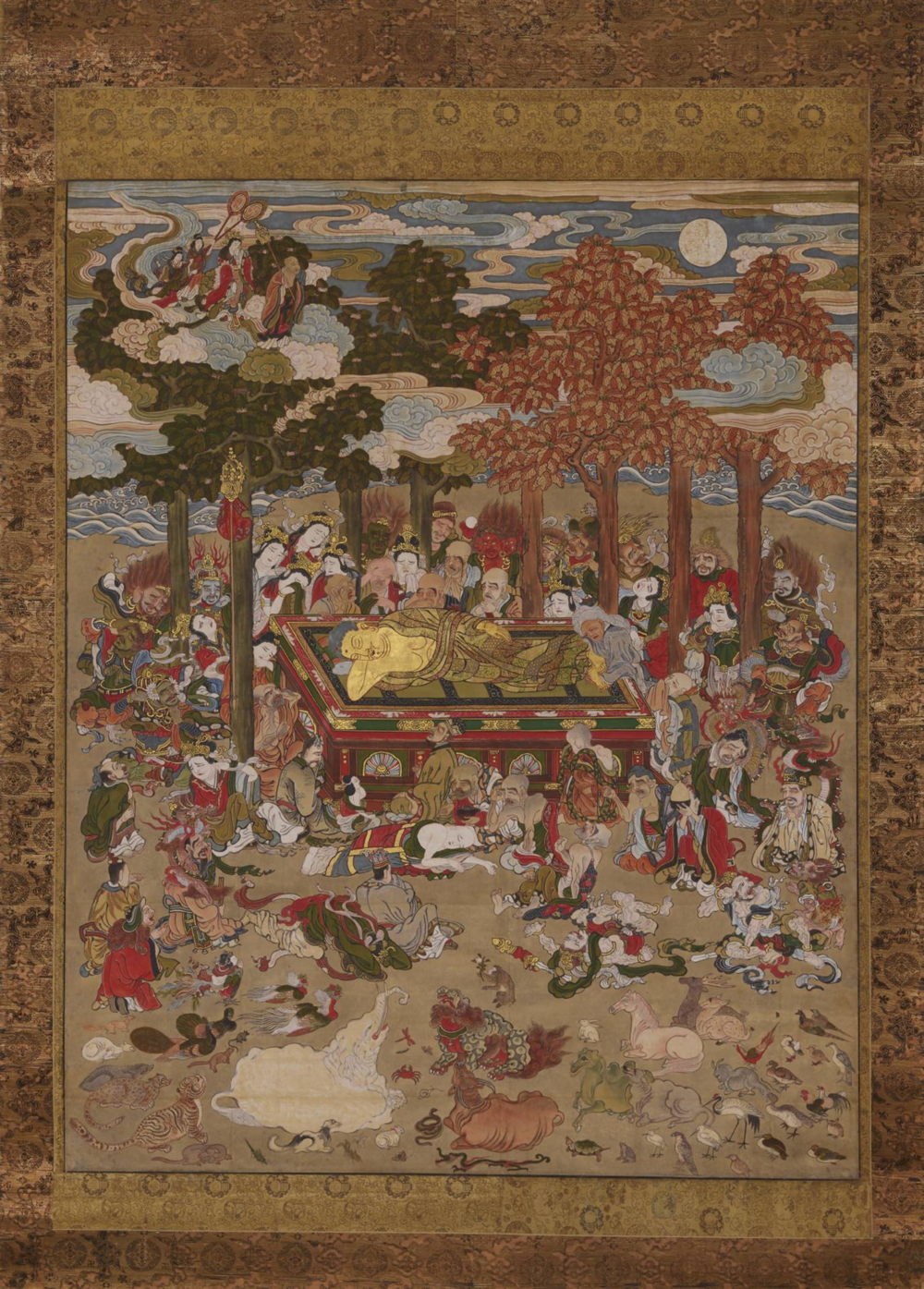
  • The Buddha’s Parinirvana
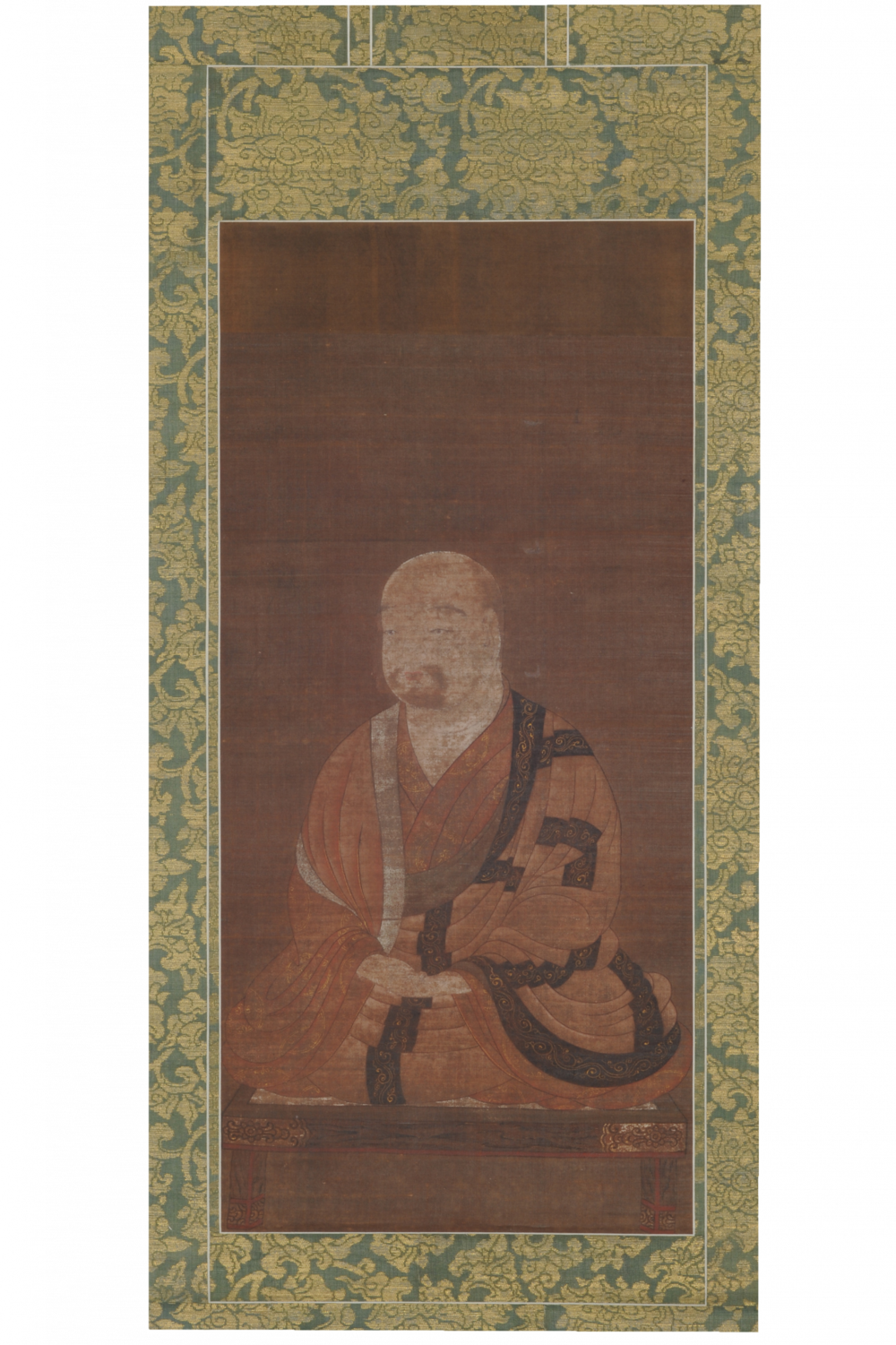
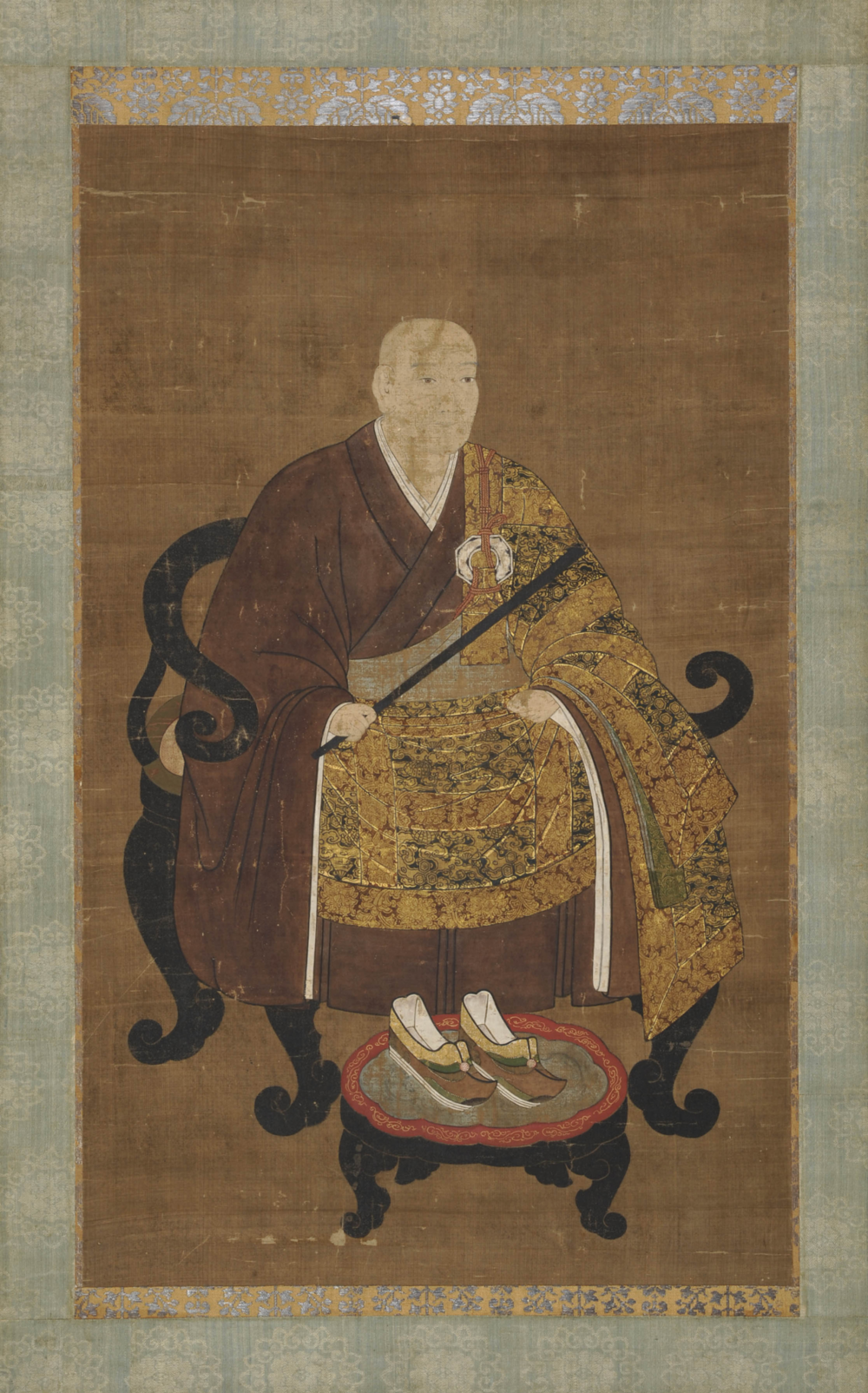
  • Portrait of the Abbot Ennin
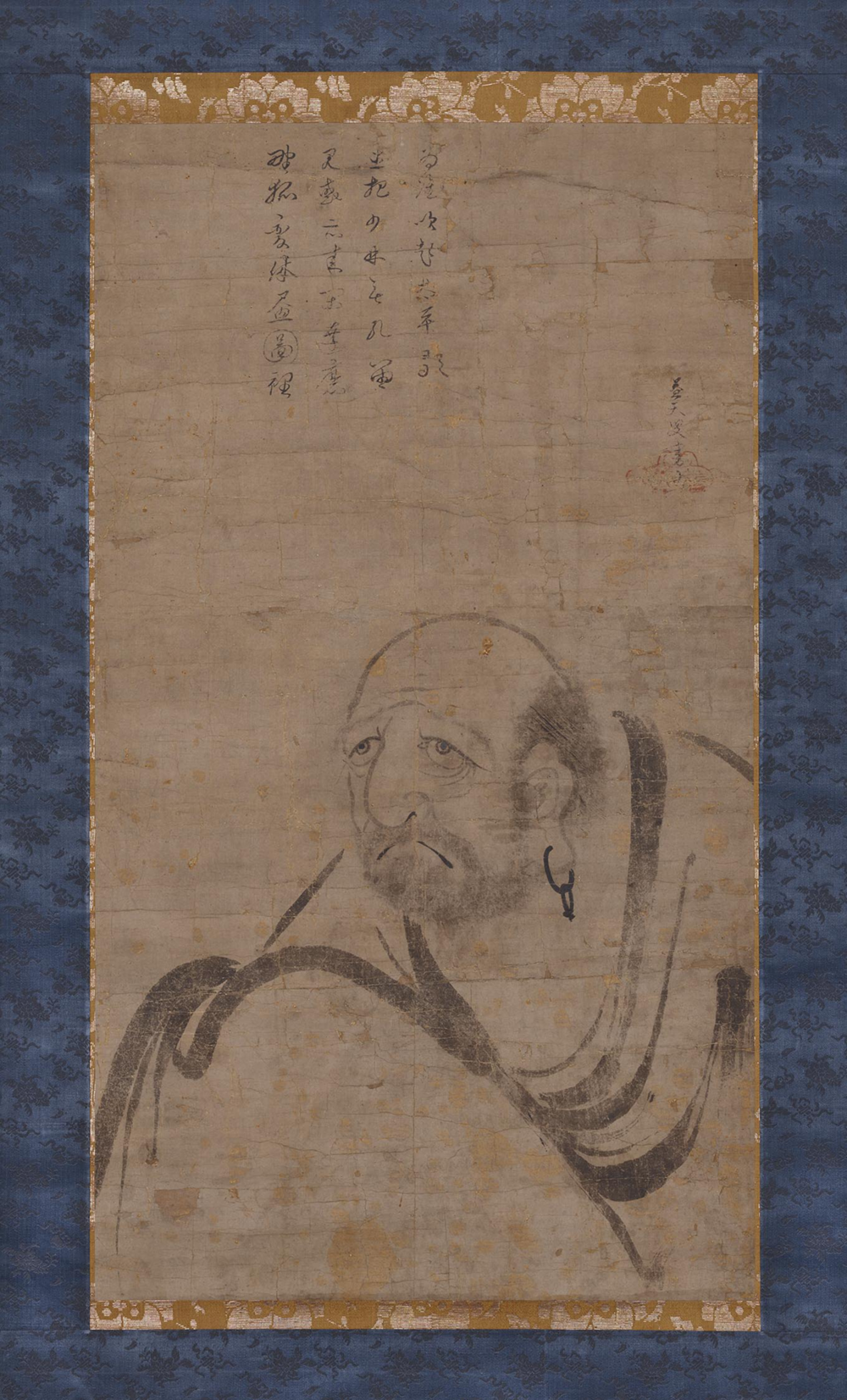
  • Half-length Portrait of the Zen Patriarch Bodhidharma
  • The Three Buddhas Dipankara, Shakyamuni, and Maitreya
  • Hotei
  • Monastic Rules for Monks
  • Buddha Shakyamuni at the Moment of his Awakening
  • Sitatara, White Tara
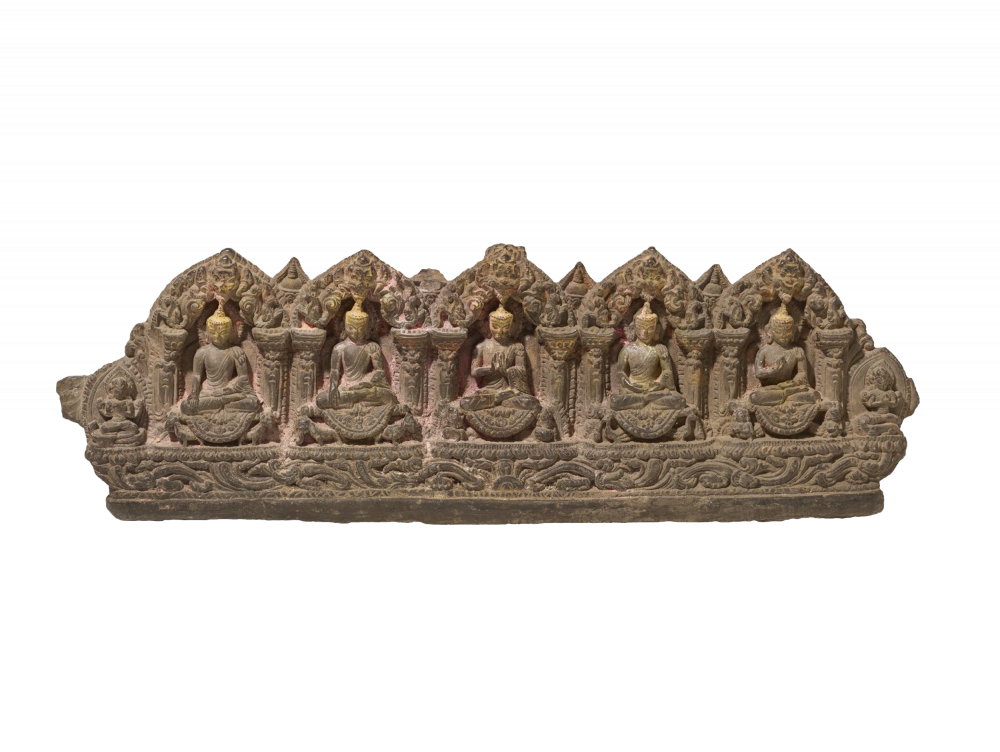
  • Relief of the Five Transcendent Buddhas
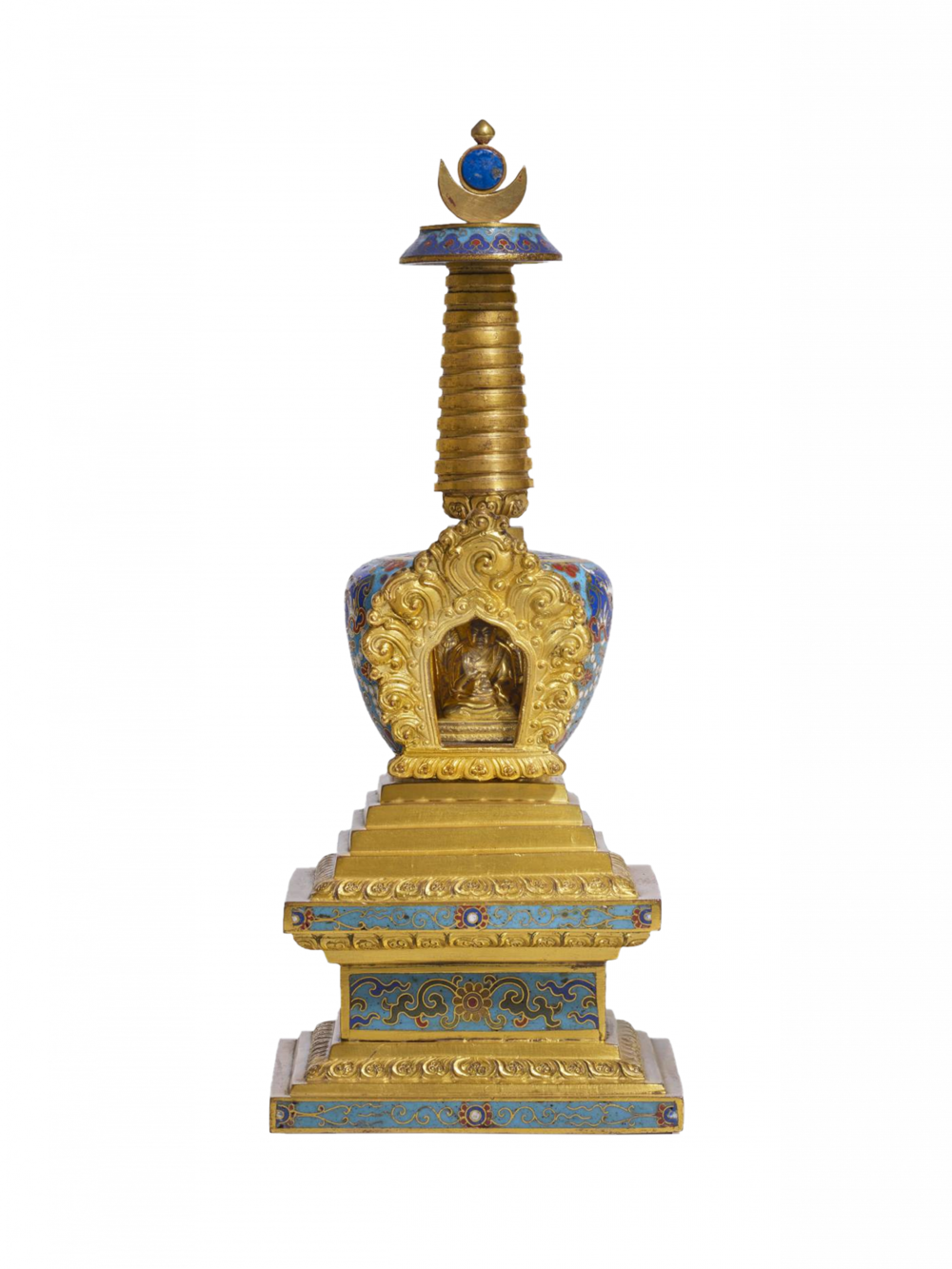
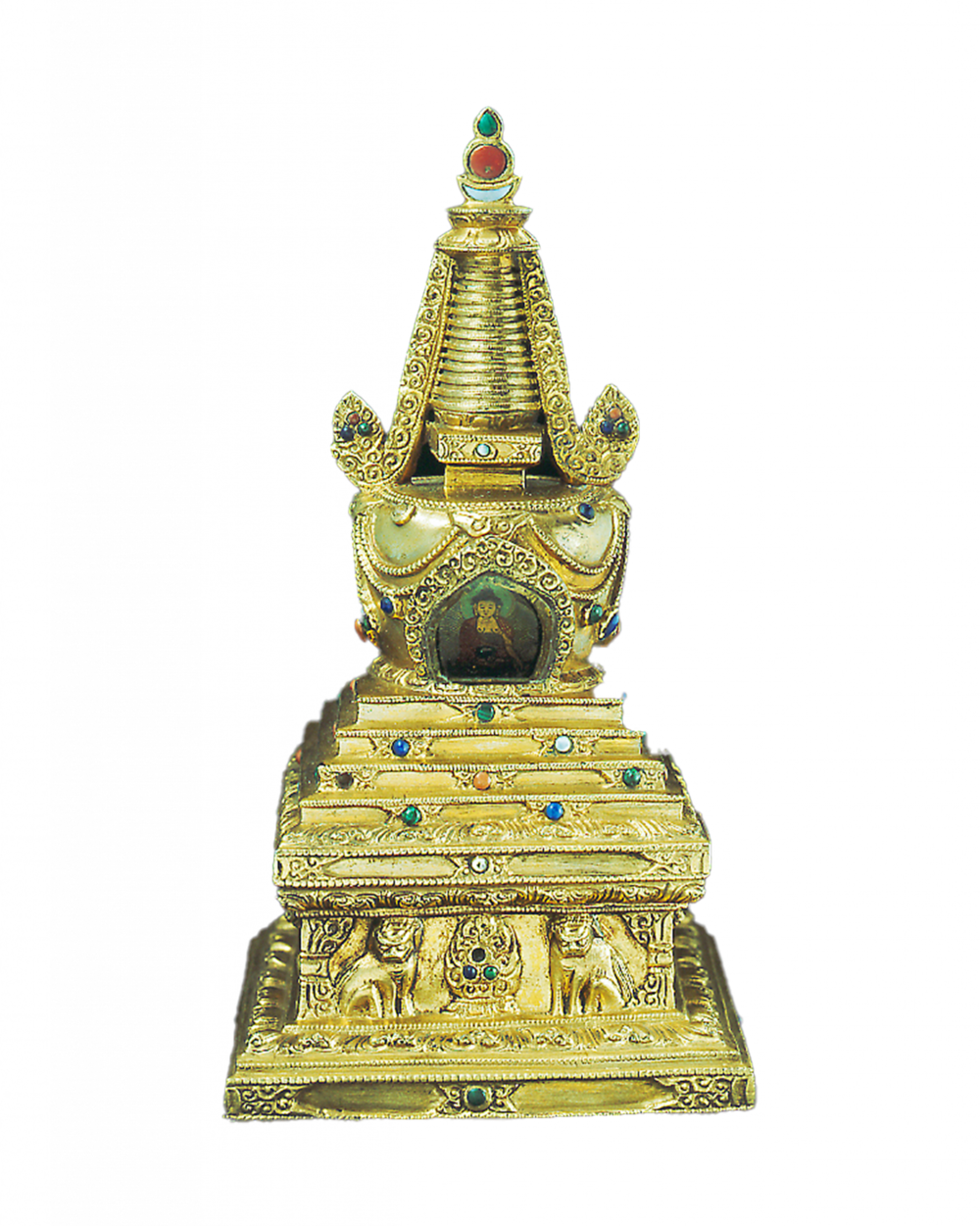
  • Stupa
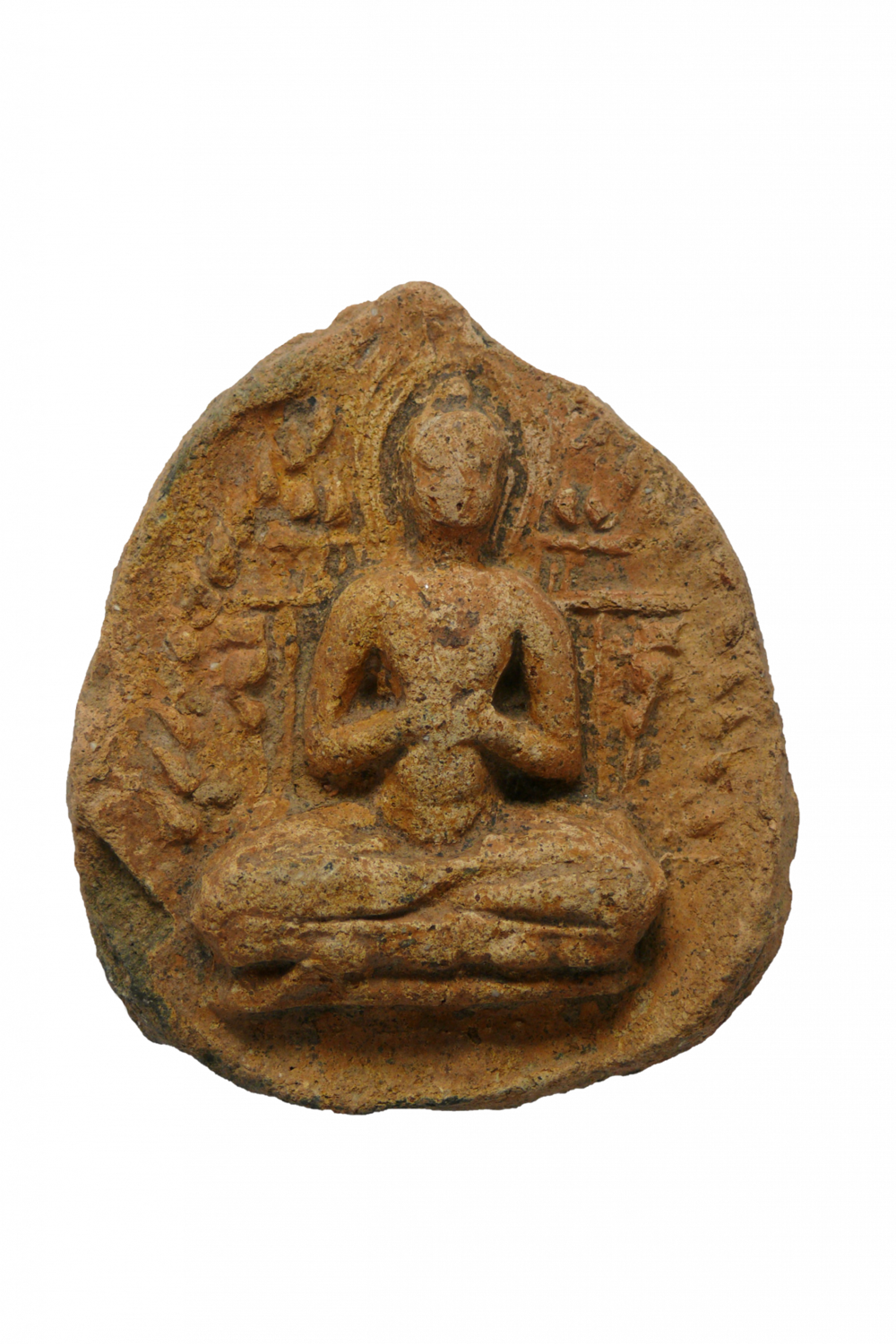
  • Buddhist Votive Tablet
  • Standing Buddha Shakyamuni
  • Buddha Vairocana
  • Zen Priest in a Golden Wrap
  • Buddha Shakyamuni
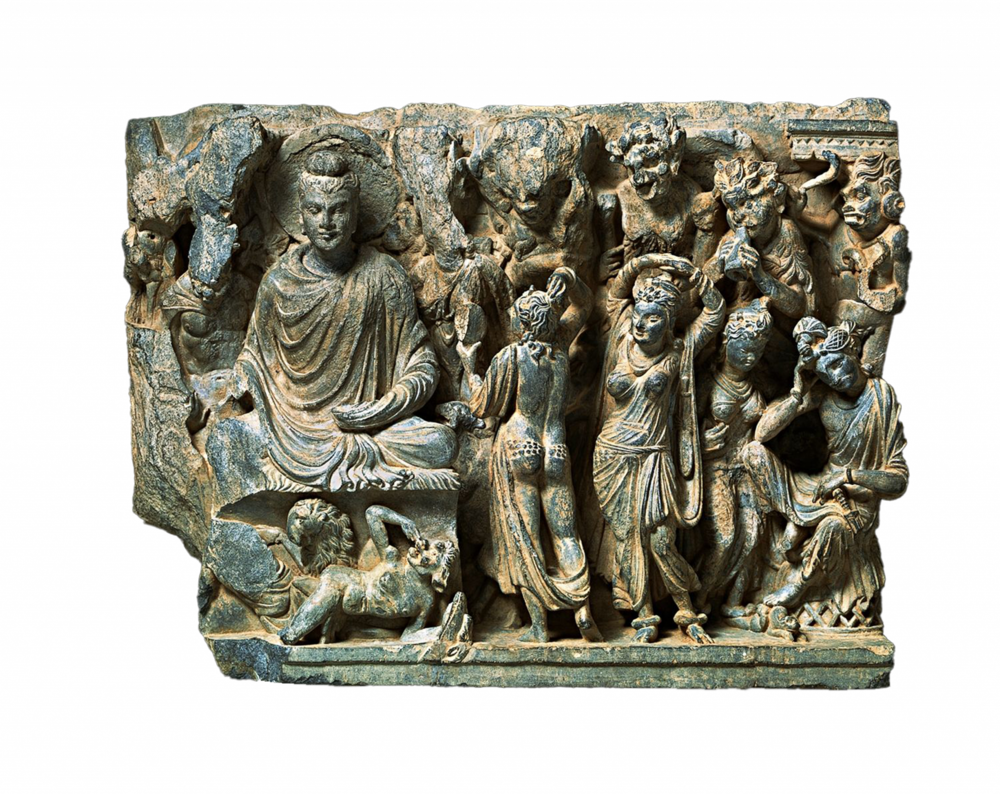
  • Mara’s Daughters Tempt the Buddha
  • Prince Siddhartha’s Wedding
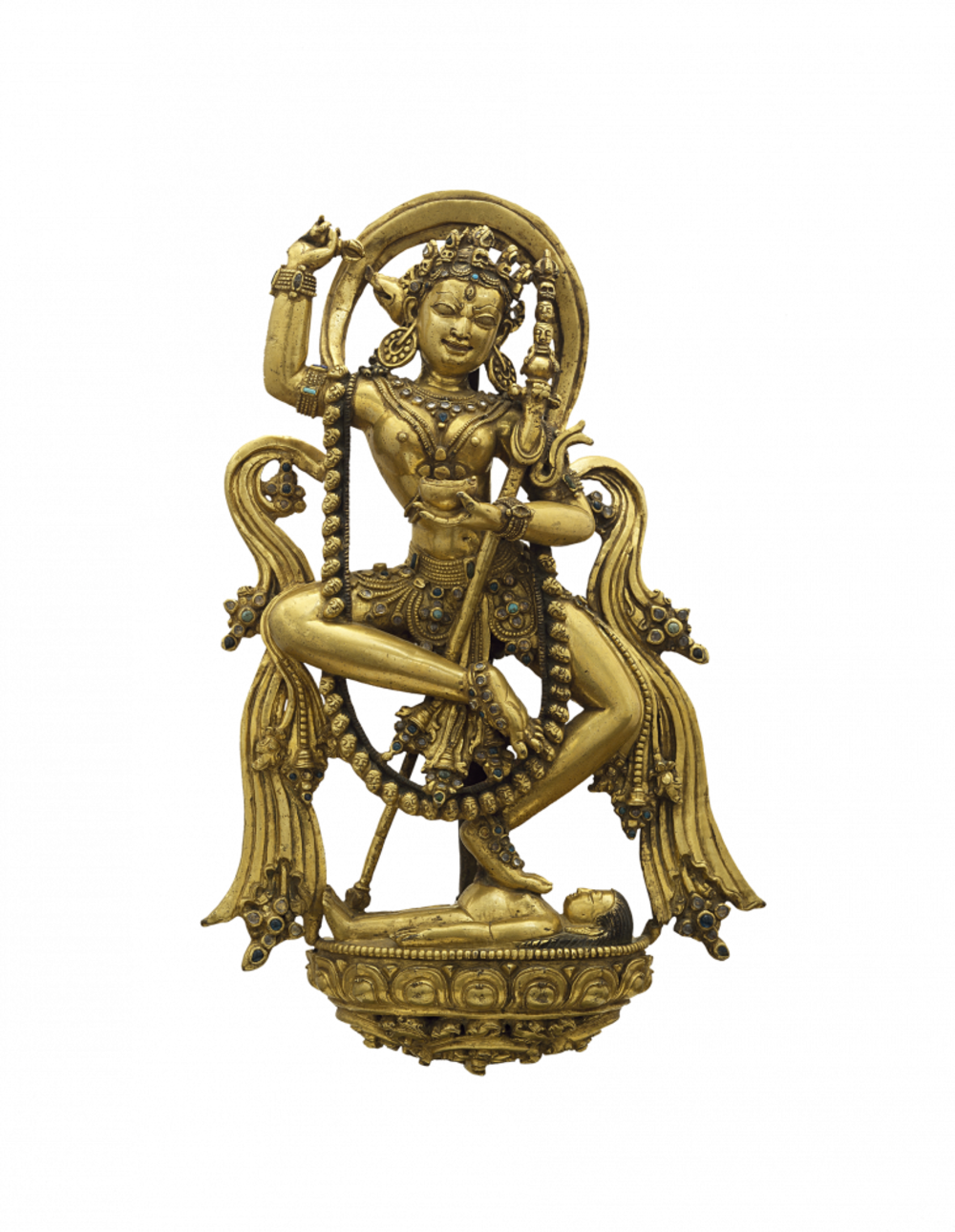
  • Dakini Vasya-Vajravarahi
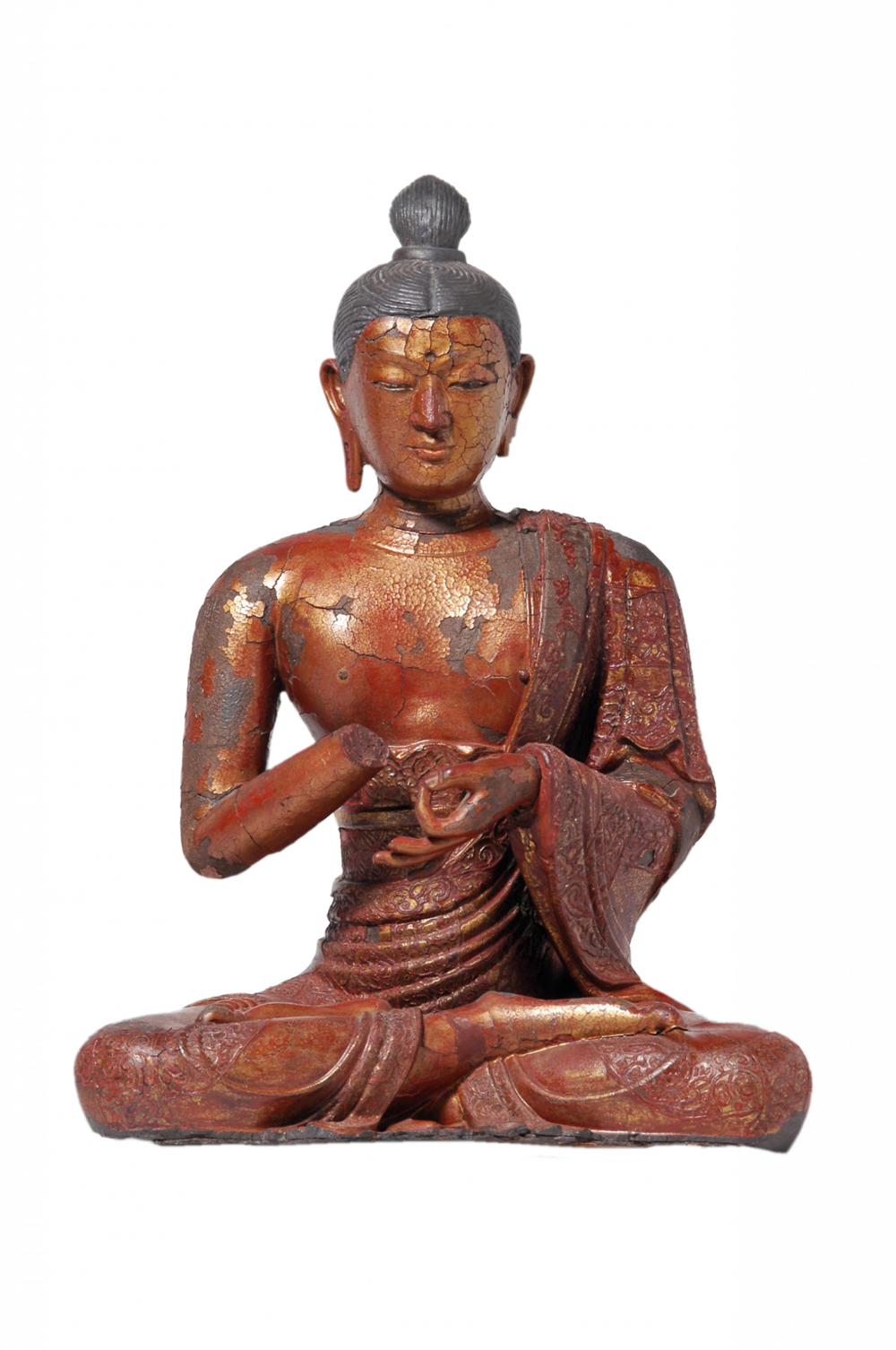
  • Shaka Nyorai, the Historical Buddha
  • Bodhisattva Avalokiteshvara
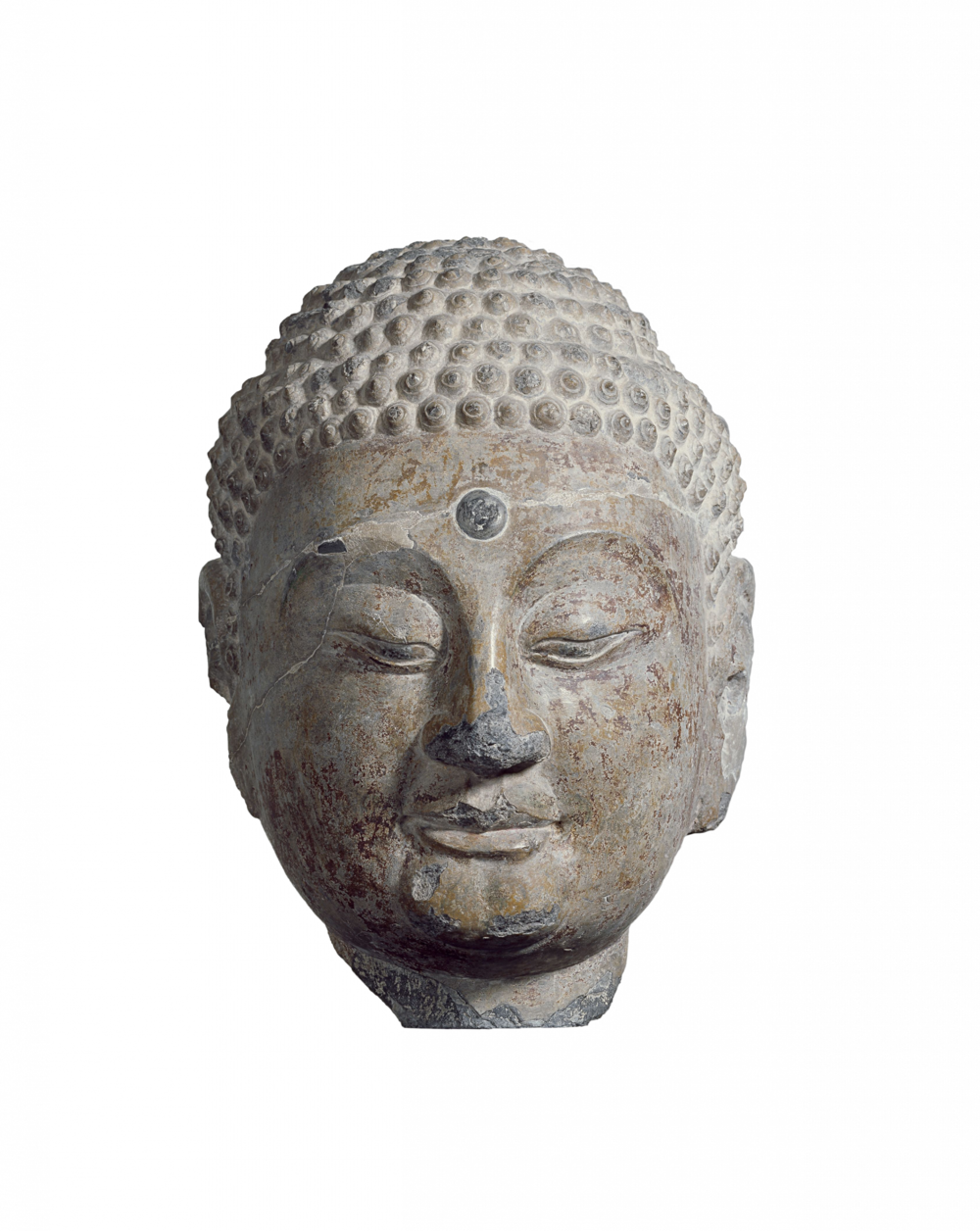
  • Head of a Buddha
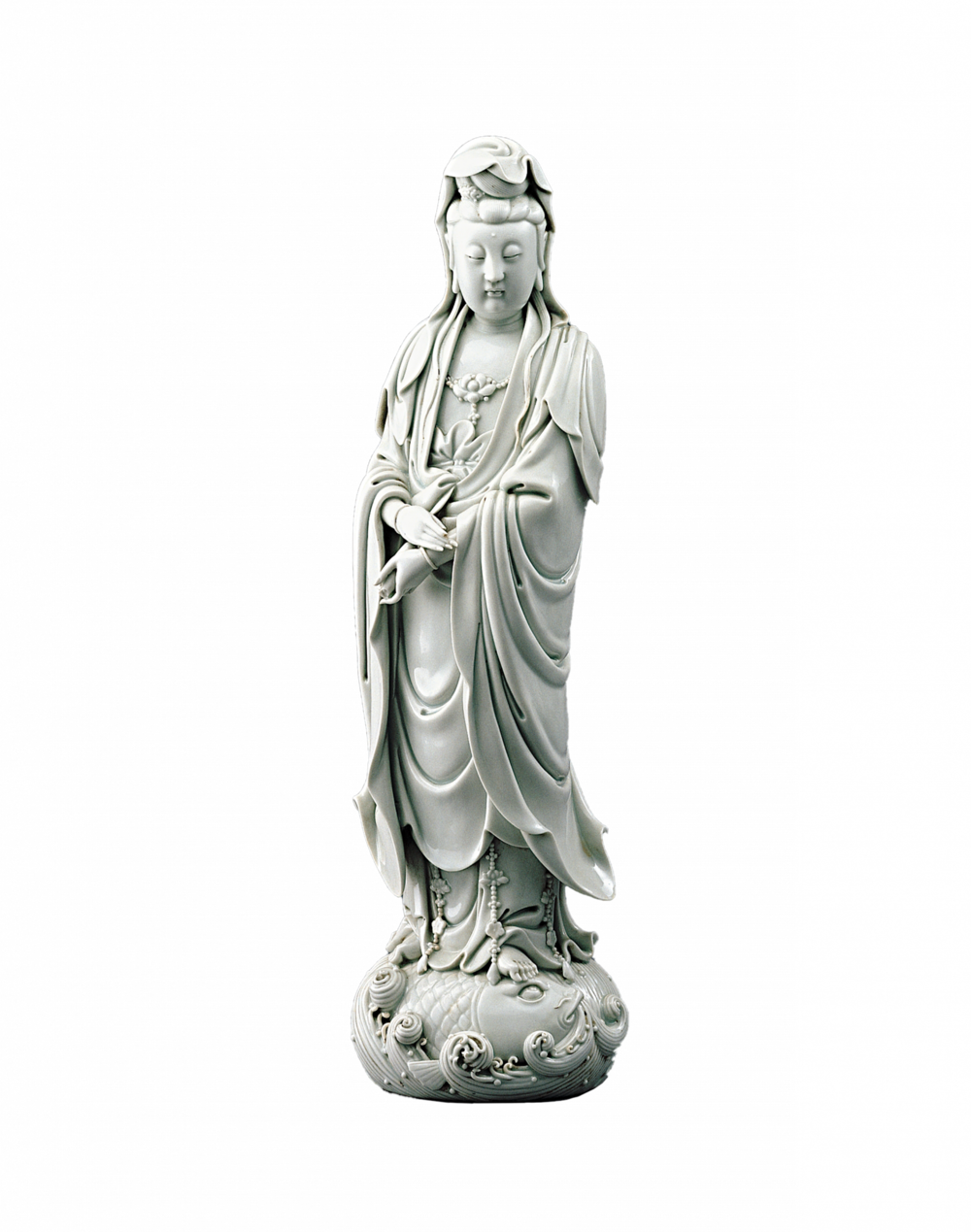
  • Guanyin, the Bodhisattva of Compassion, as the Patron of fishermen
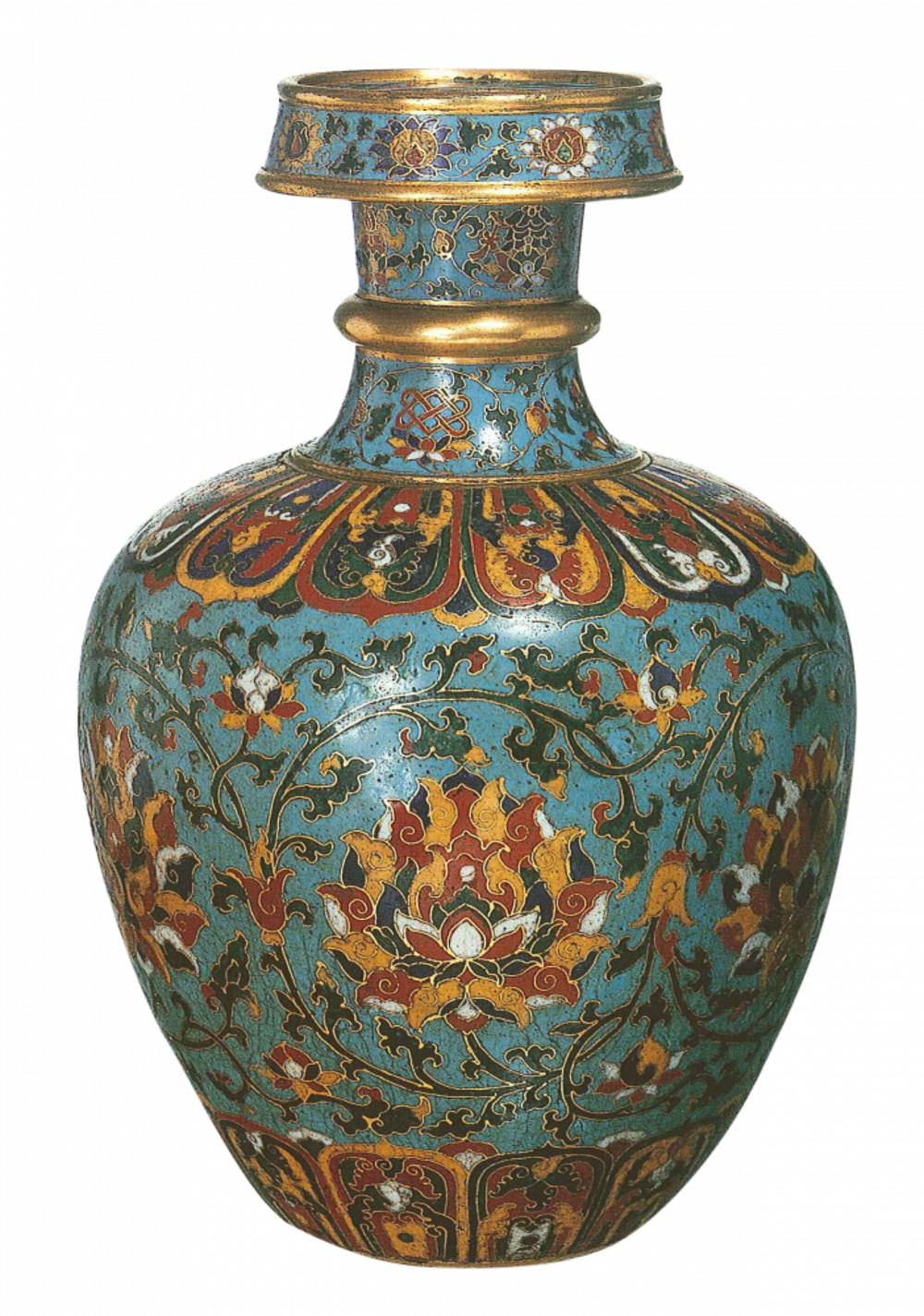
  • Vase with Lotus Vines and the Eight Auspicious Symbols of Buddhism
  • Praying Priest
  • Baisajyaguru, the Medicine Buddha
  • Portrait of the Zen Priest Gemmon Doyu
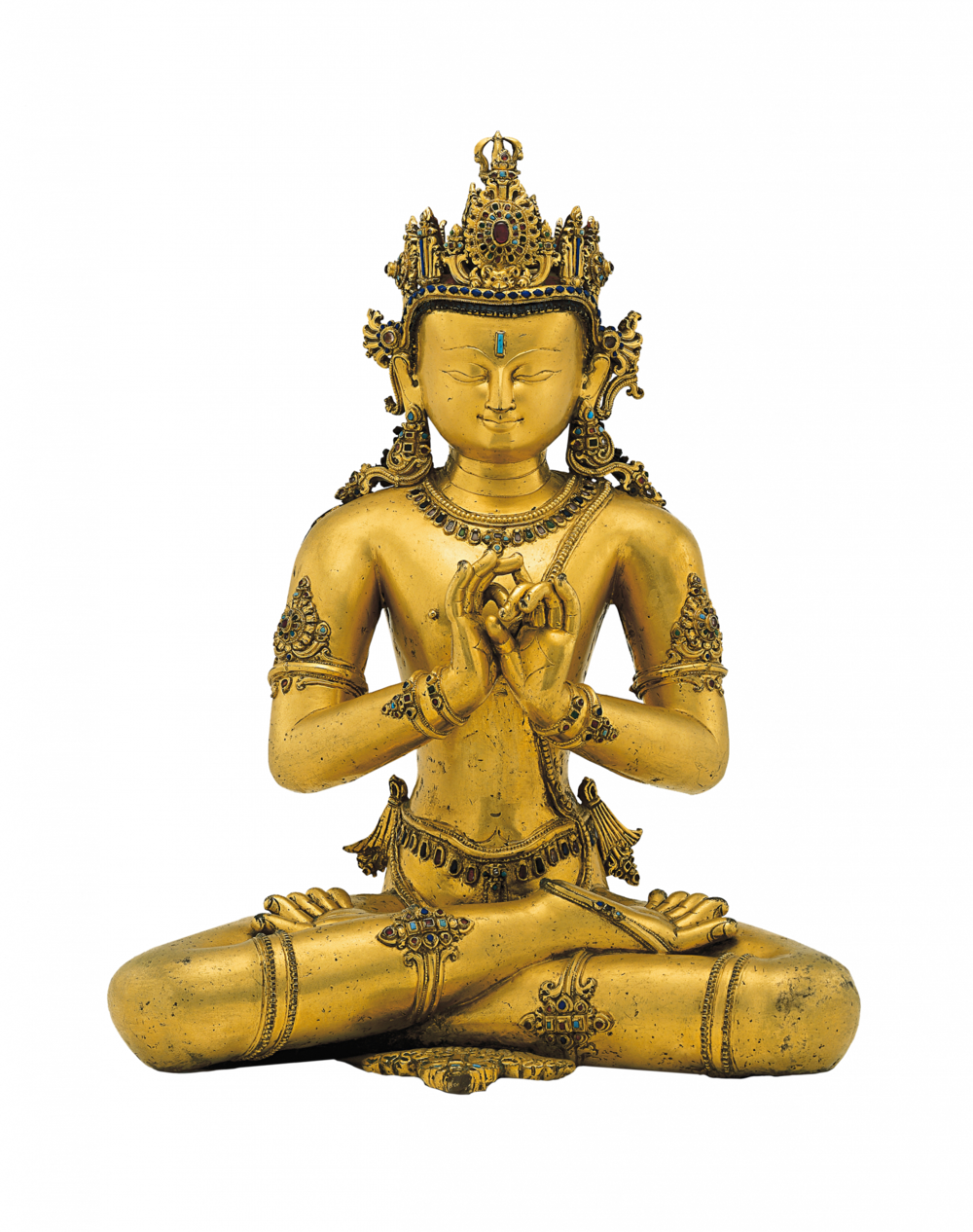
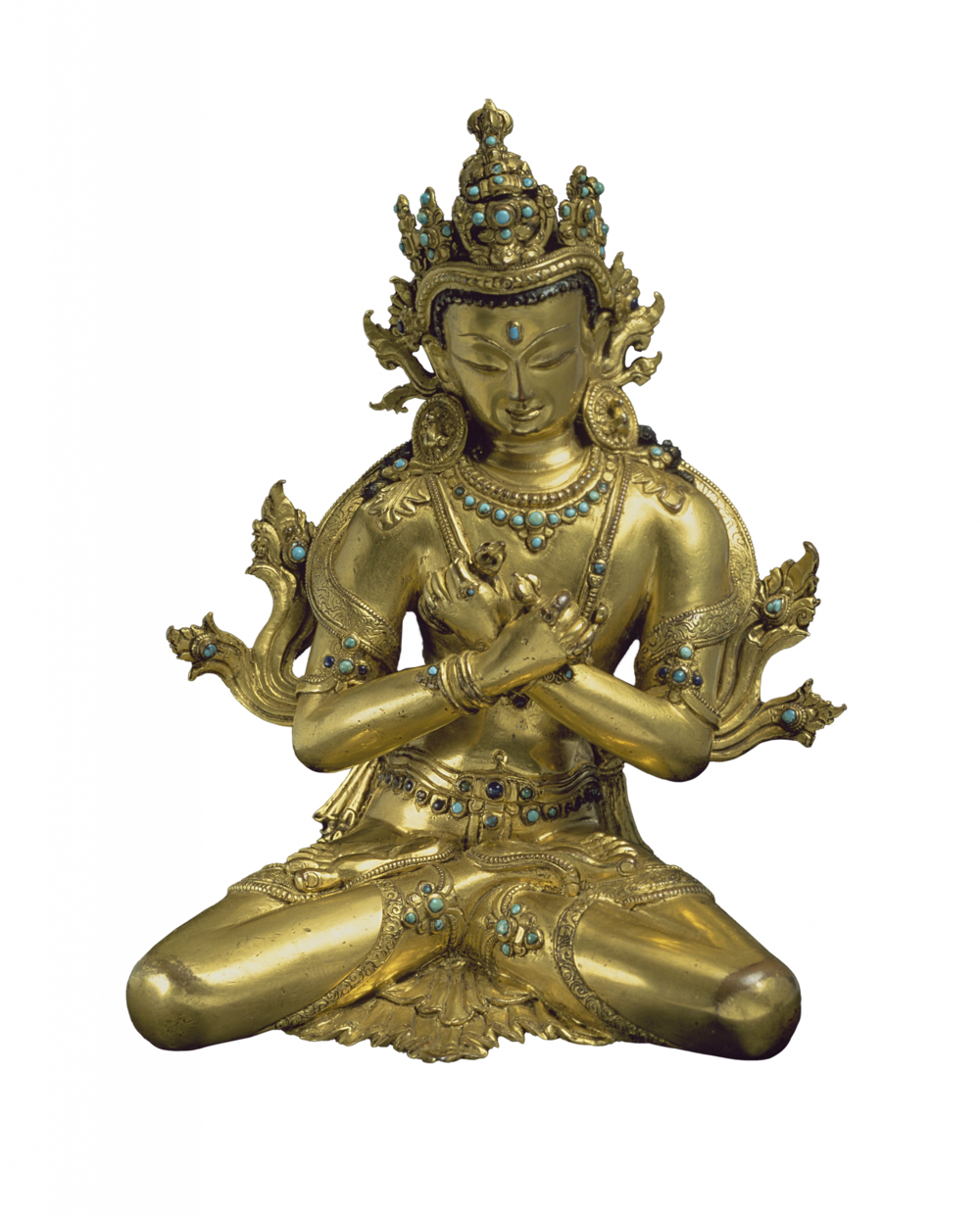
  • Vajradhara, the Primordial Buddha
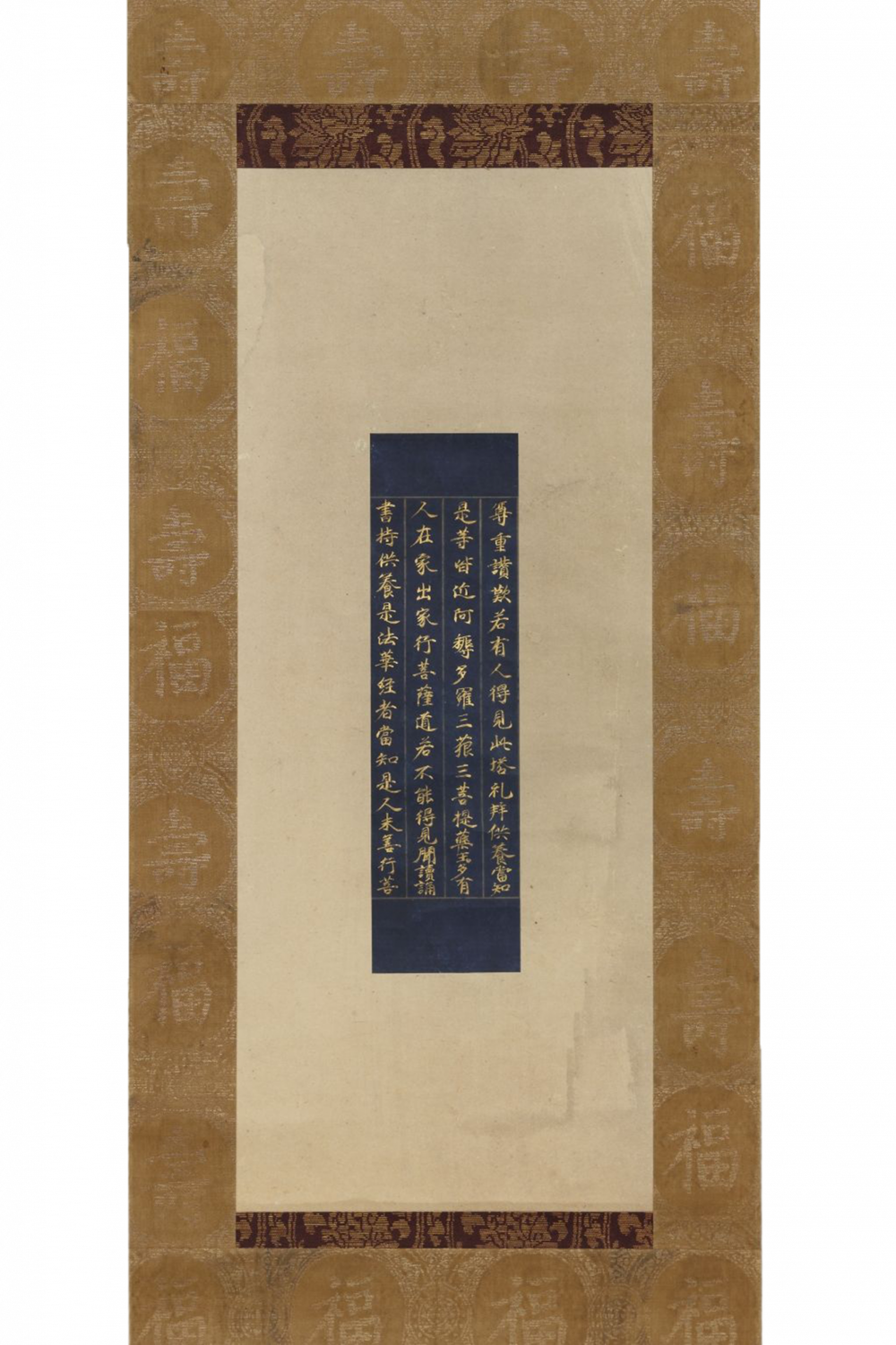
  • Excerpt from the Lotus Sutra
  • Dharani Sutra of the Heart of the Perfection of Insight
  • Avalokiteshvara, the Bodhisattva of Compassion
  • Buddhist Monastic Rules from the Pali Canon
  • Buddha Shakyamuni
  • Female Monkey with Her Young
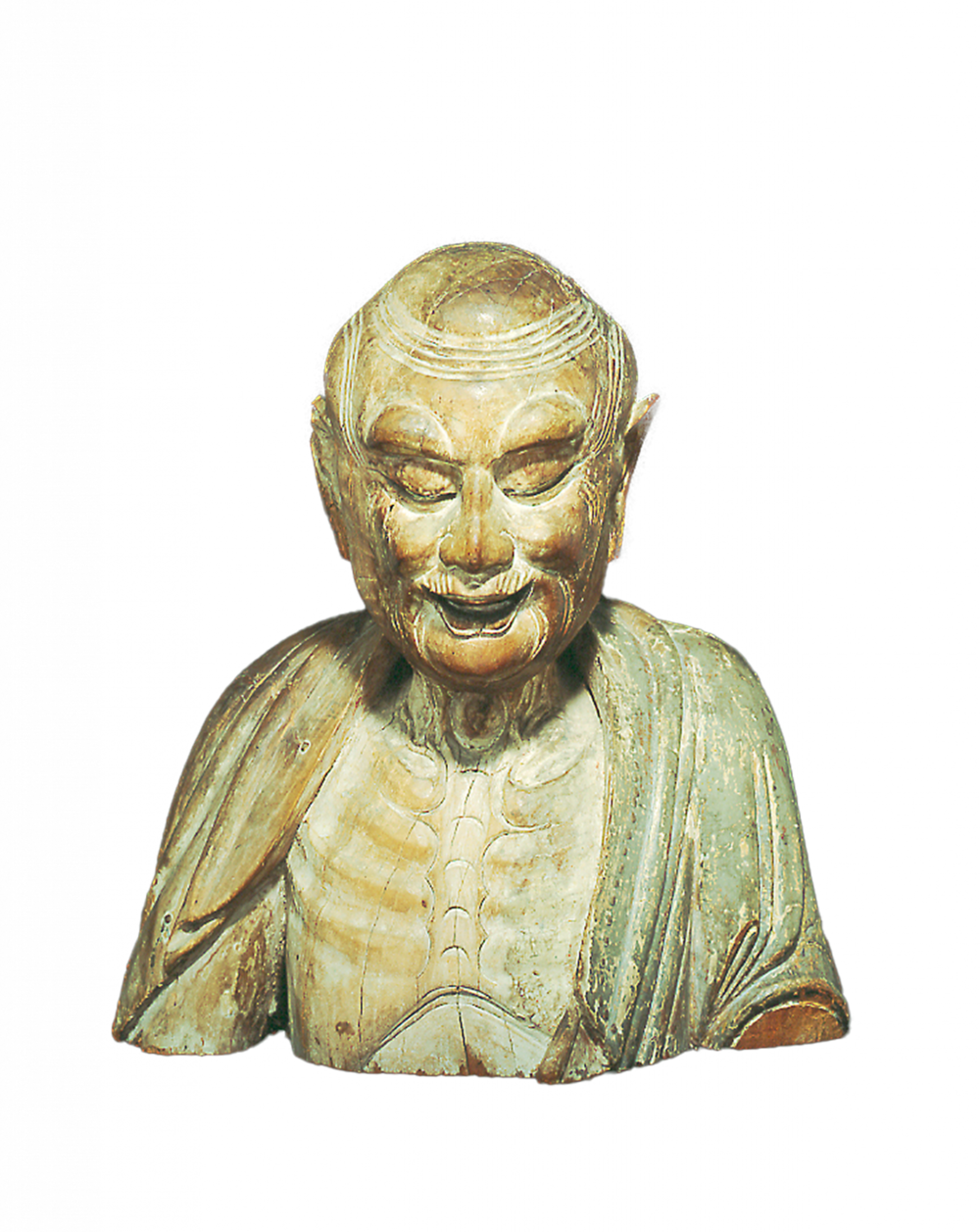
  • Bust of a Luohan
  • Padmasambhava with his 25 Tibetan Pupils

From a series of 7 thangkas
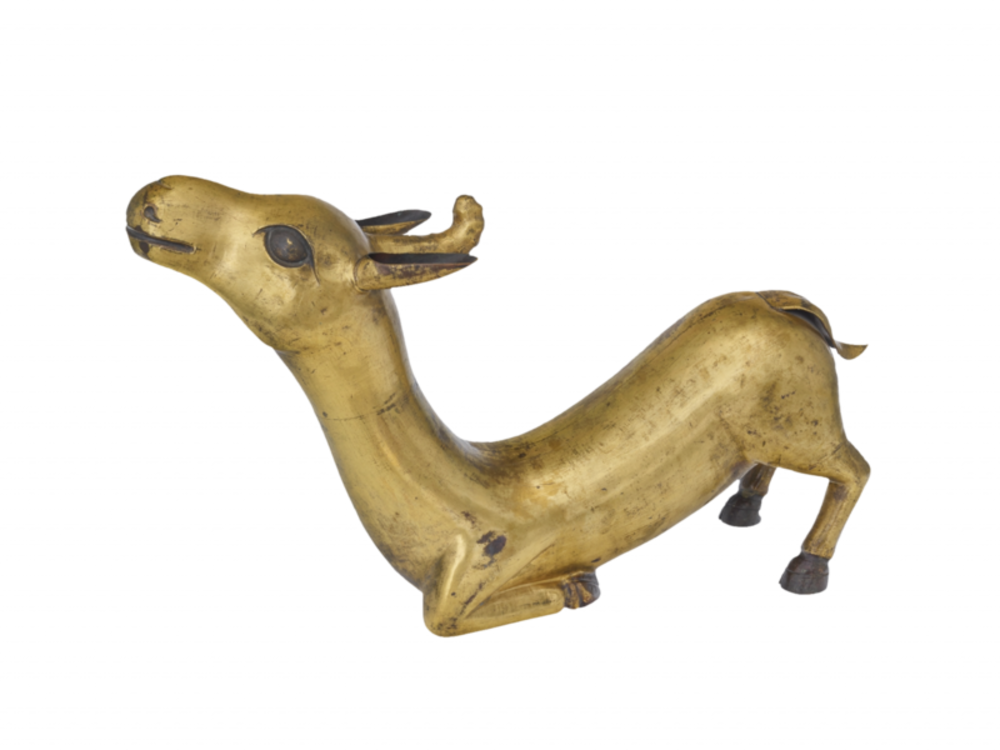
  • Gazelle
  • The Arhats Bakula, Rahula, Cudapanthaka, and Pindola 

From a series of 7 thangkas with Buddha Shakyamuni and the 18 arhats
  • The Arhats Kanakavasta, Vajriputra, Kanaka Bharadvaja, and Bhadra 

From a series of 7 thangkas with Buddha Shakyamuni and the 18 arhats
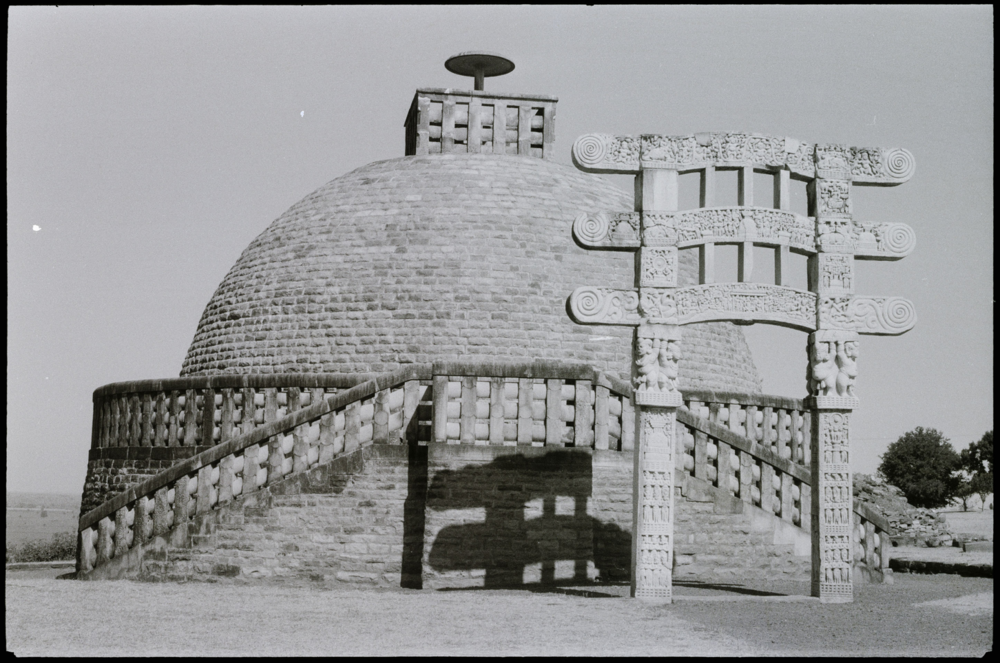
  • Great Stupa at Sanchi
  • Stupa
  • Buddha Dipankara, the Buddha of the Past
  • The Arhats Panthaka, Gopaka, Nagasena, and Abheda

From a series of 7 thangkas with Buddha Shakyamuni and the 18 arhats
  • Rectangular Coin
  • Hotei, One of the Gods of Good Fortune, with Child
  • Monumental Head of a Bodhisattva
  • Six Persimmons
  • Avalokiteshvara, the Bodhisattva of Compassion
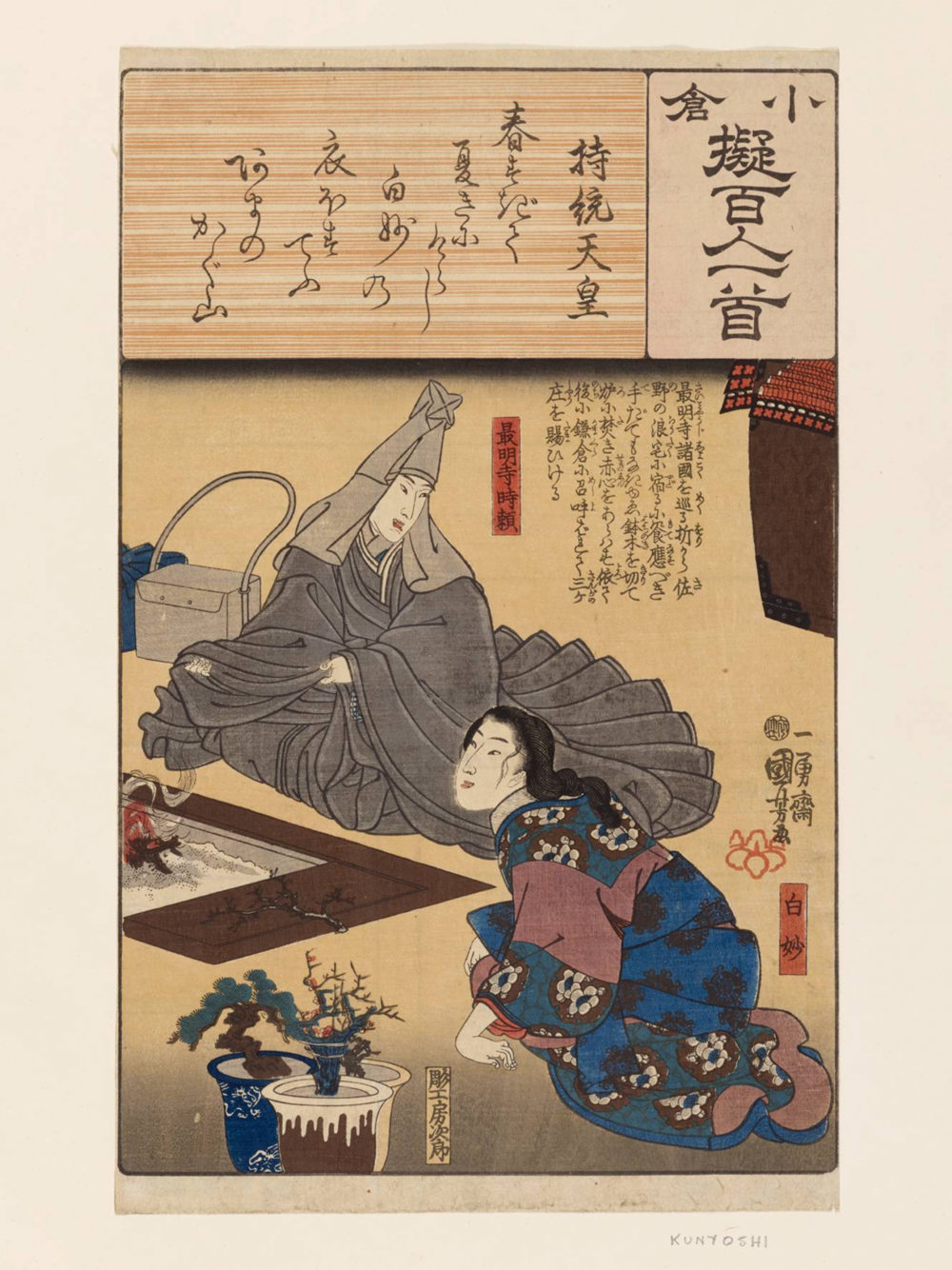
  • Empress Jito,
from the series “Parody of the Ogura Version of ‘One Hundred Poets, One Hundred Poems’ ”
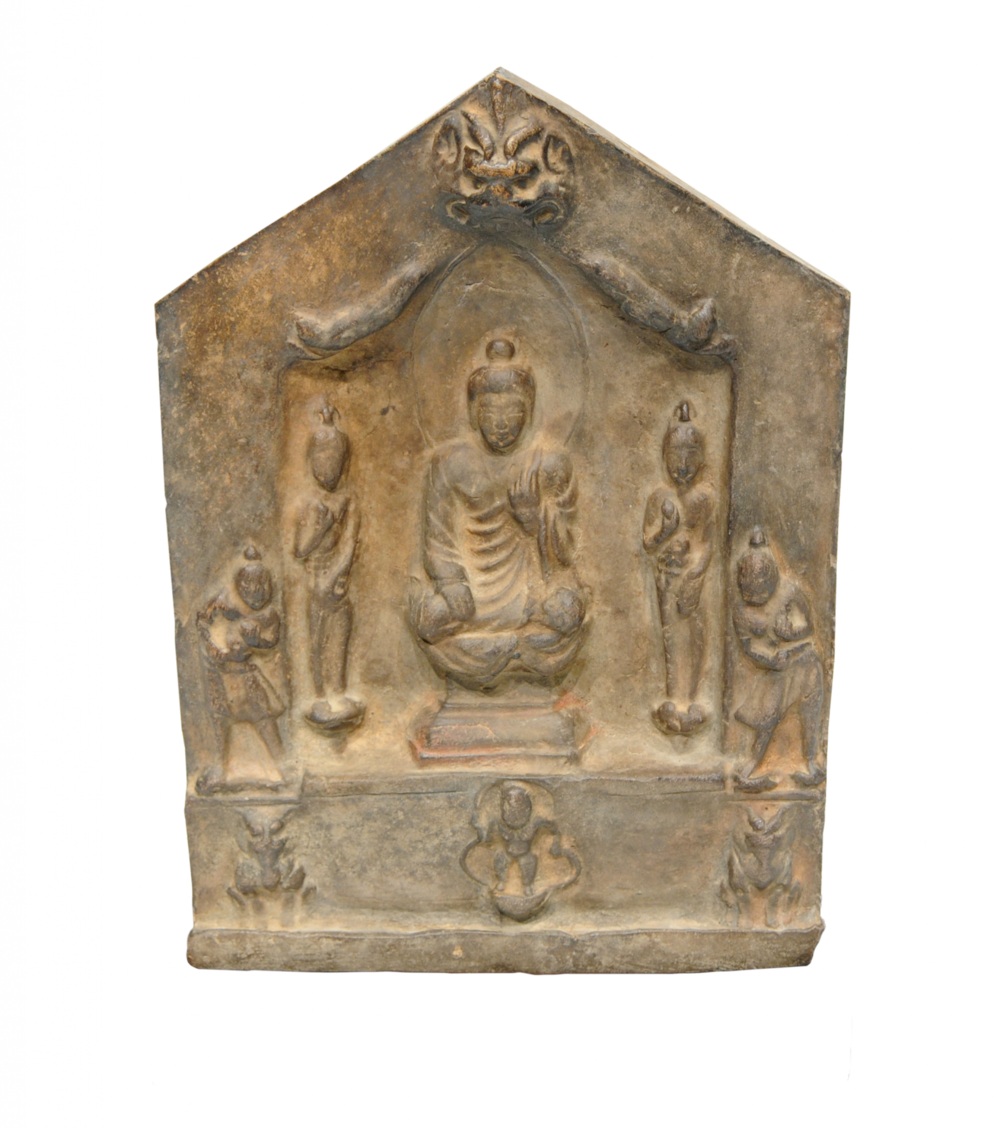
  • Plaque Showing the Buddha Teaching
  • Head of a Monk
  • Buddhist Monk
  • Gendün Gyatso, the 2nd Dalai Lama (1476–1542)
  • Sakya Pandita (1182–1252)
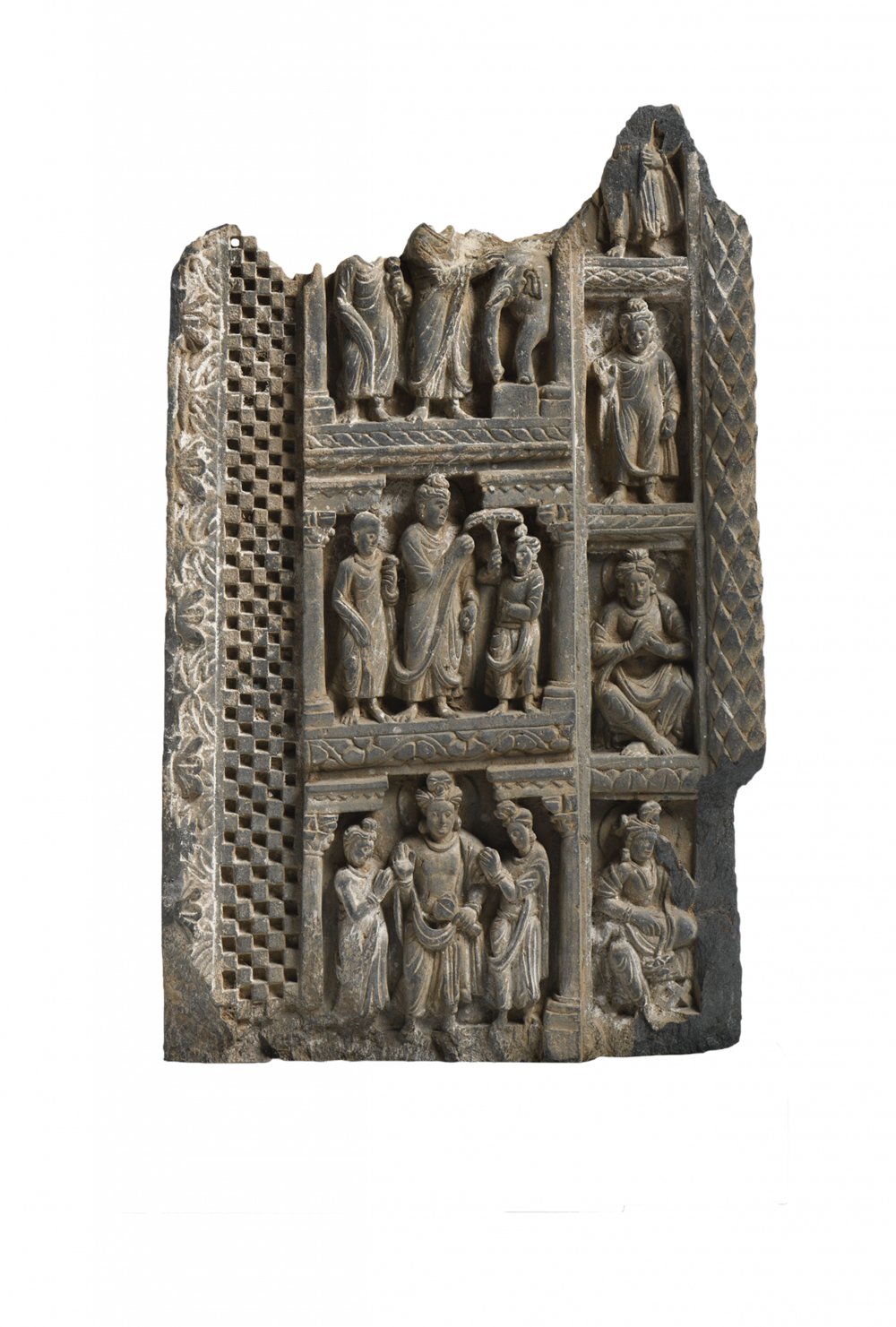
  • Stela Showing Scenes from the Life of the Buddha
  • Head of the Buddha
  • The Four Excursions
  • Bodhidharma
  • The Descent of Buddha Amida
  • Buddha Shakyamuni
  • The Transcendent Buddha Akshobhya
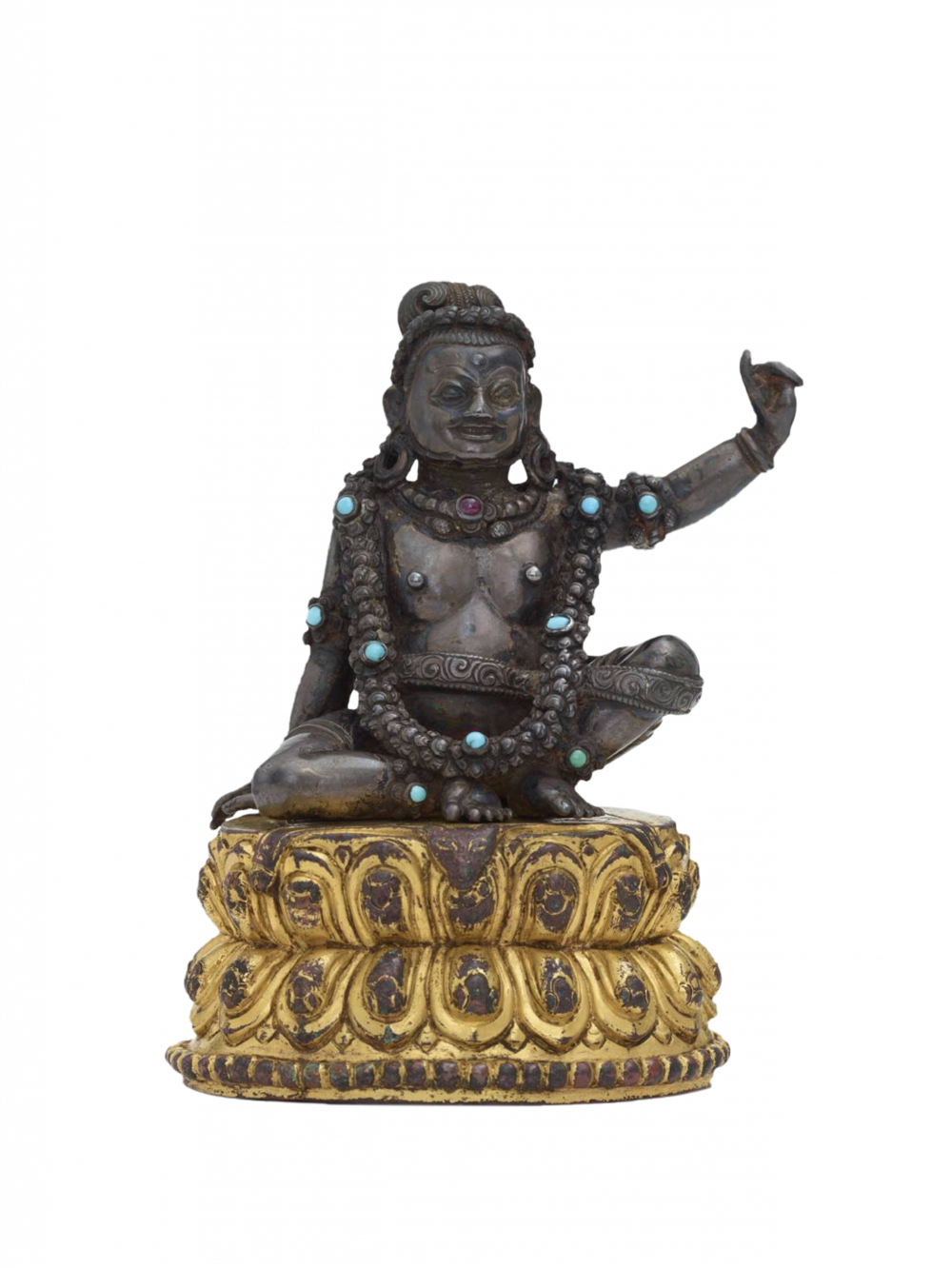
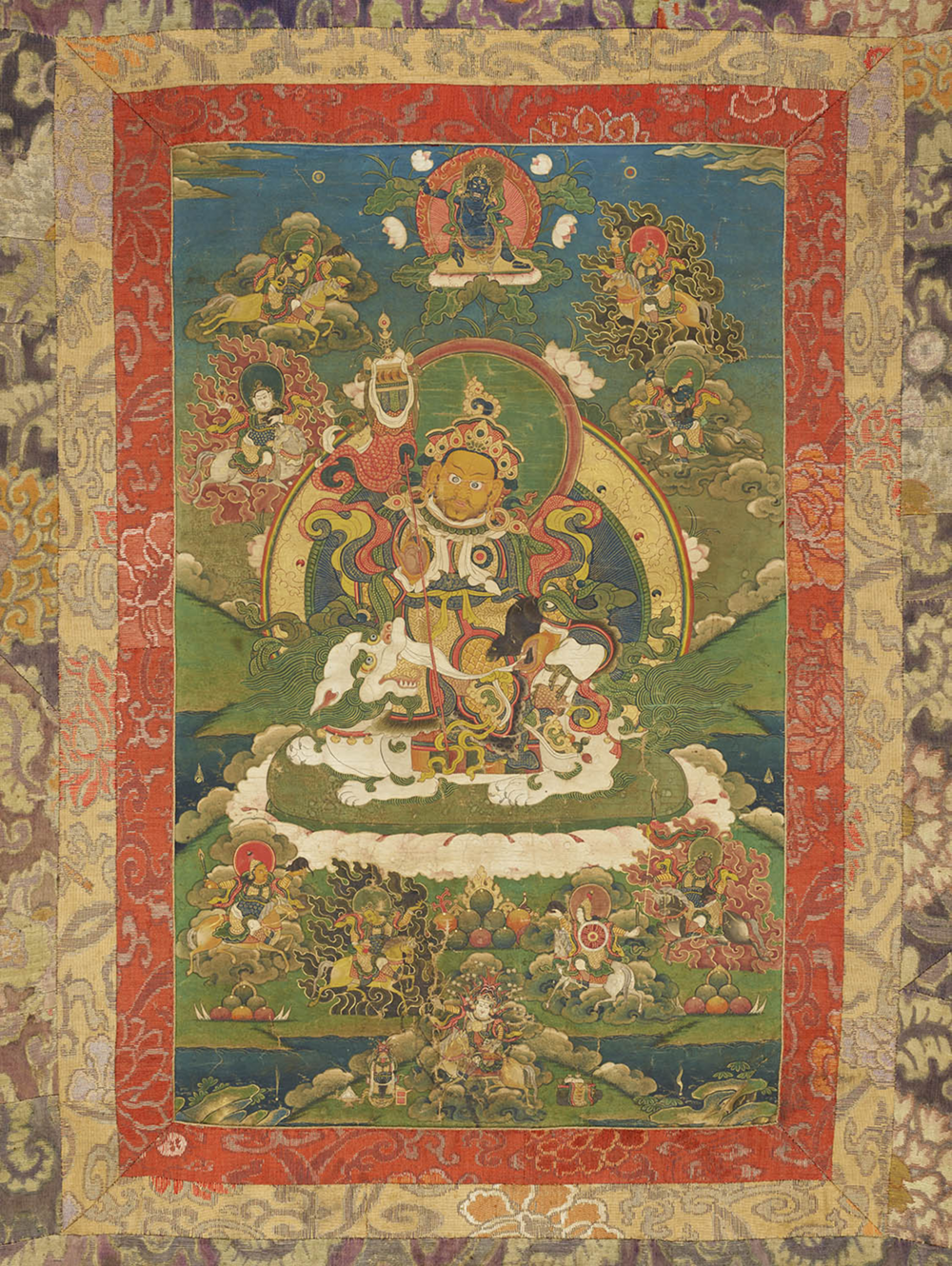
  • Jambhala, the God of Wealth
  • Buddha Shakyamuni Sheltered by the Serpent-King
  • Buddhist Votive Tablet
  • Buddha Maitreya
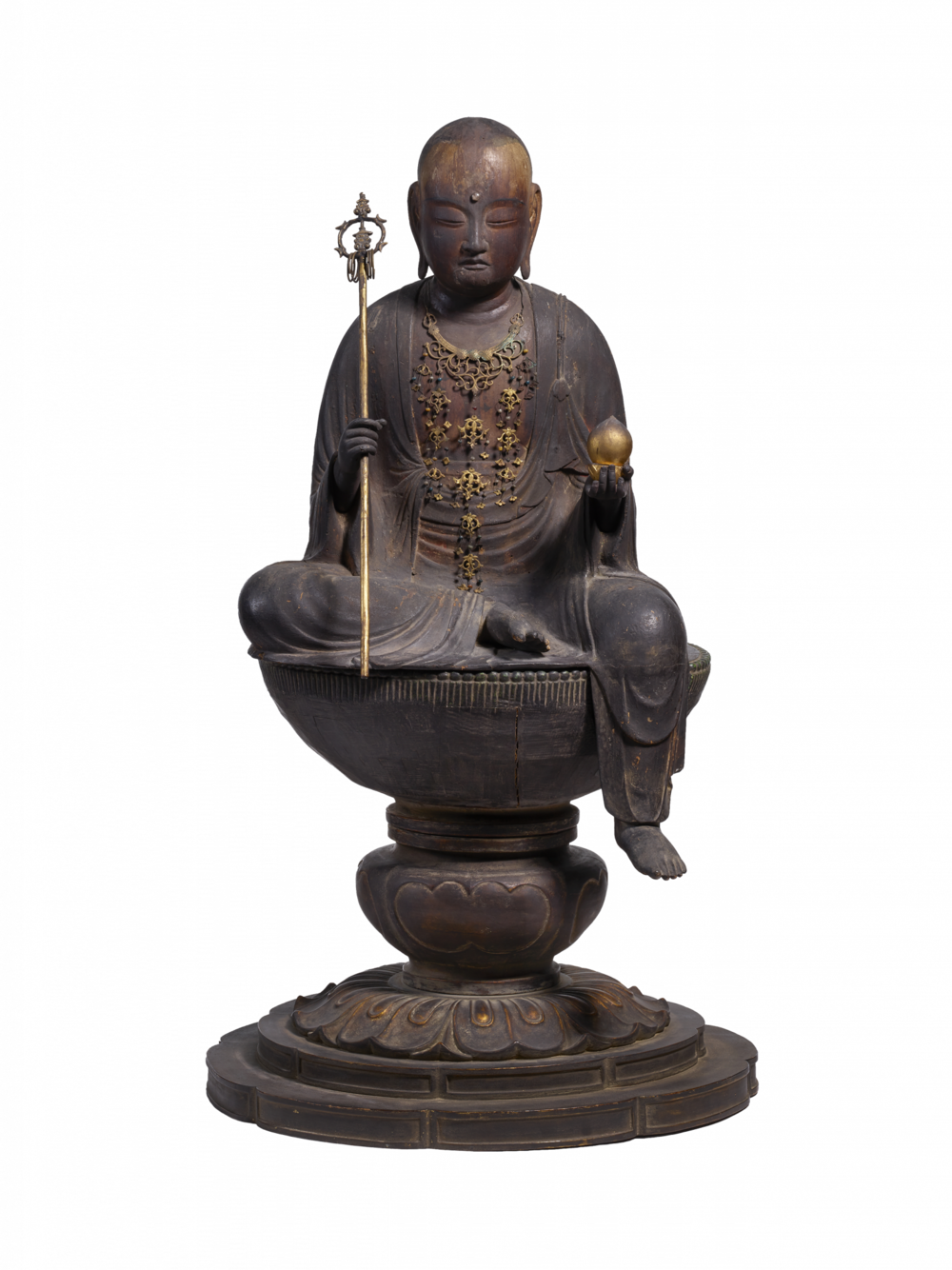
  • Jizo Bosatsu, Bodhisattva in the Guise of a Monk
  • Buddha Shakyamuni as a Newborn Infant
  • Head of the Buddha
  • Kannon, the Bodhisattva of Compassion
  • Shakyamuni Enters Nirvana
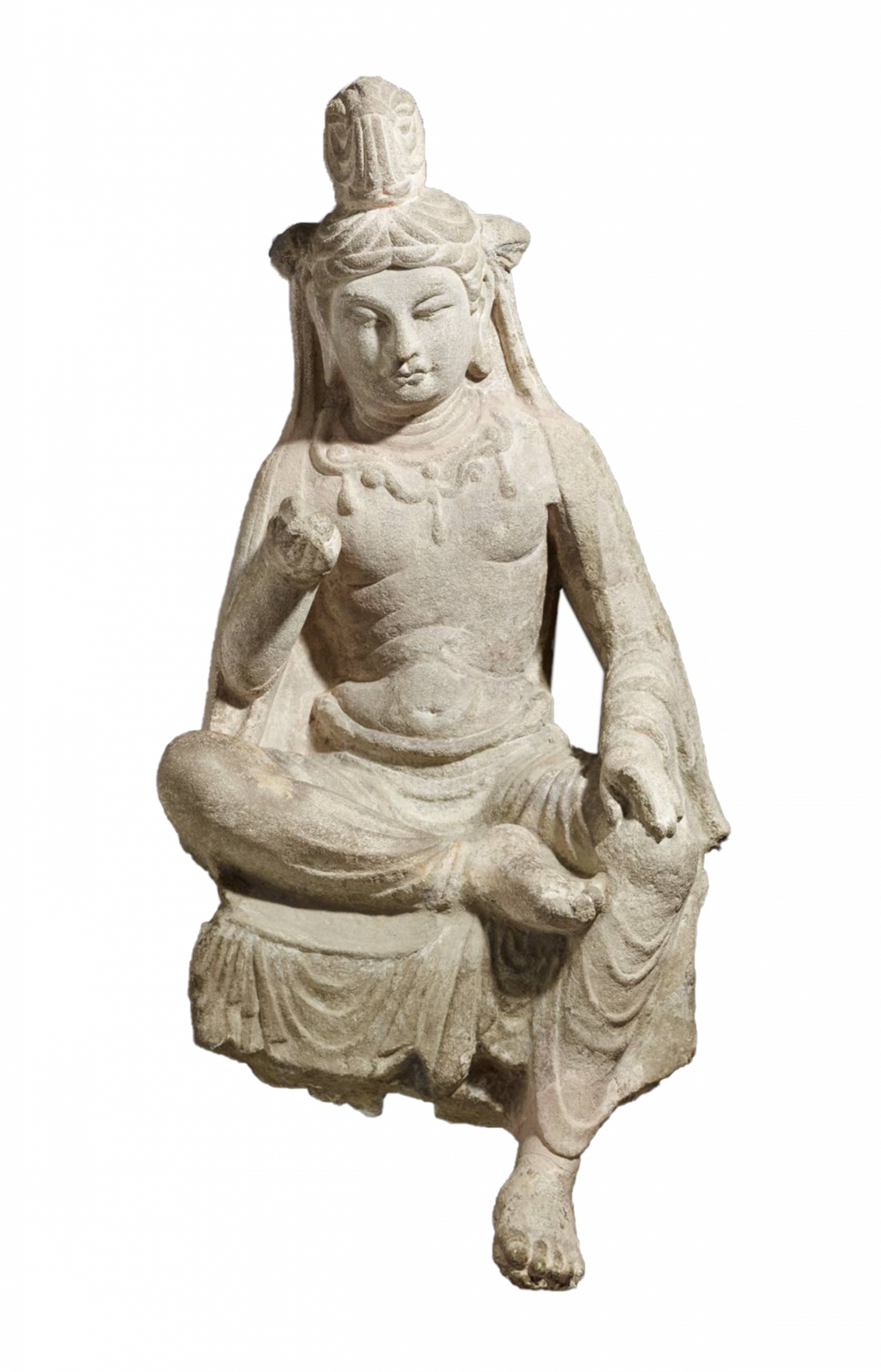
  • Seated Bodhisattva
  • The Bodhisattva of Compassion Sitting in Meditation
  • Standing Buddha
  • Pancha Raksha Manuscript
  • Dharmapala Yama
  • Large Votive Stupa
  • Vijaya Stupa
  • Guhyamanjuvajra
  • Buddhist Votive Stela of the Yan Family
  • Buddha Shakyamuni
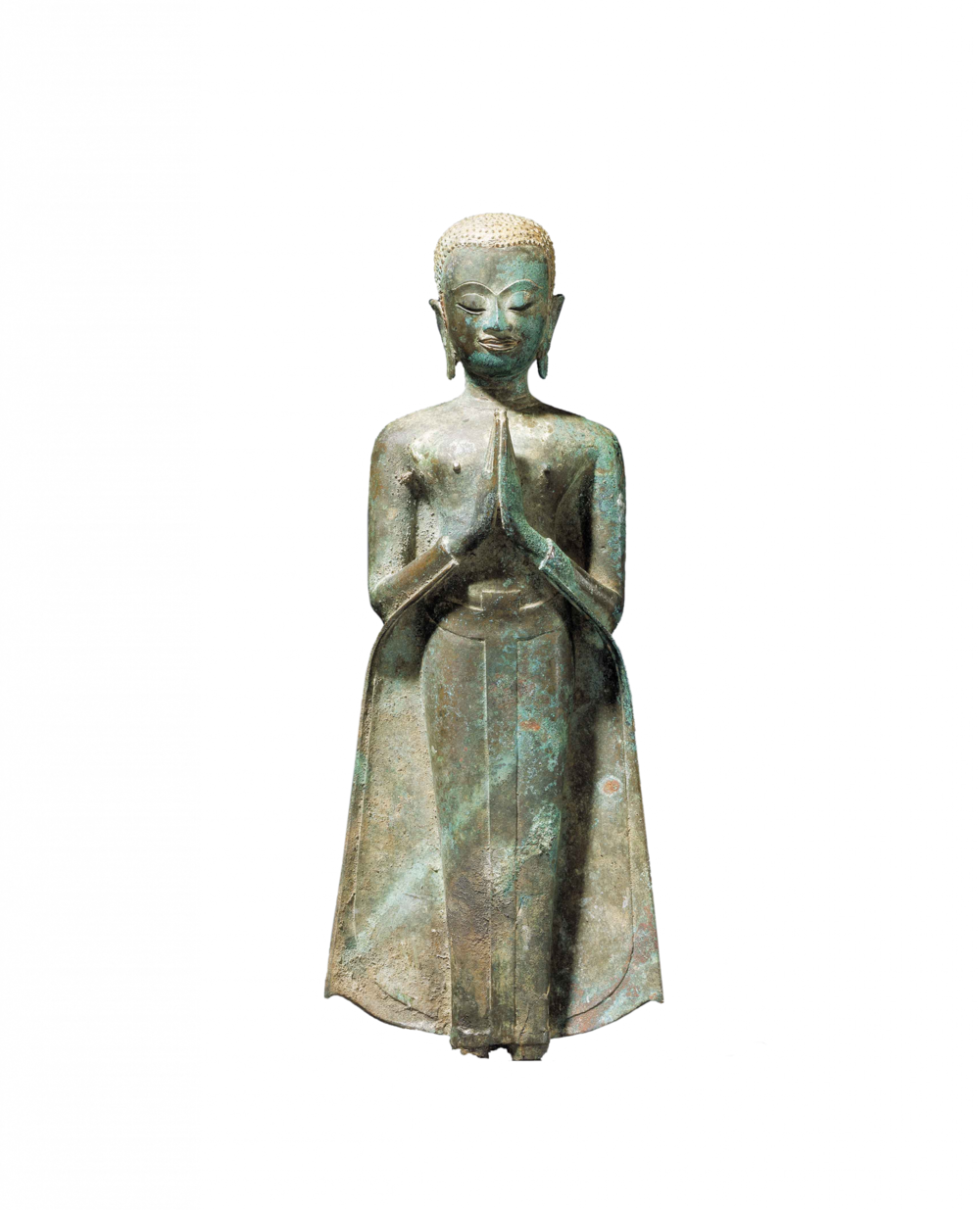
  • Standing Monk with Hands Folded
  • Green Tara (Shyama Tara)
  • Seated Bodhisattva
  • Buddhist Pocket-sized Prayer Altar
  • Shyamatara, Green Tara
  • Buddha Shakyamuni Invokes the Earth Goddess as his Witness
  • Buddha Shakyamuni and the Earth-Touching Gesture
  • The Prophecy of the Buddha Dipankara
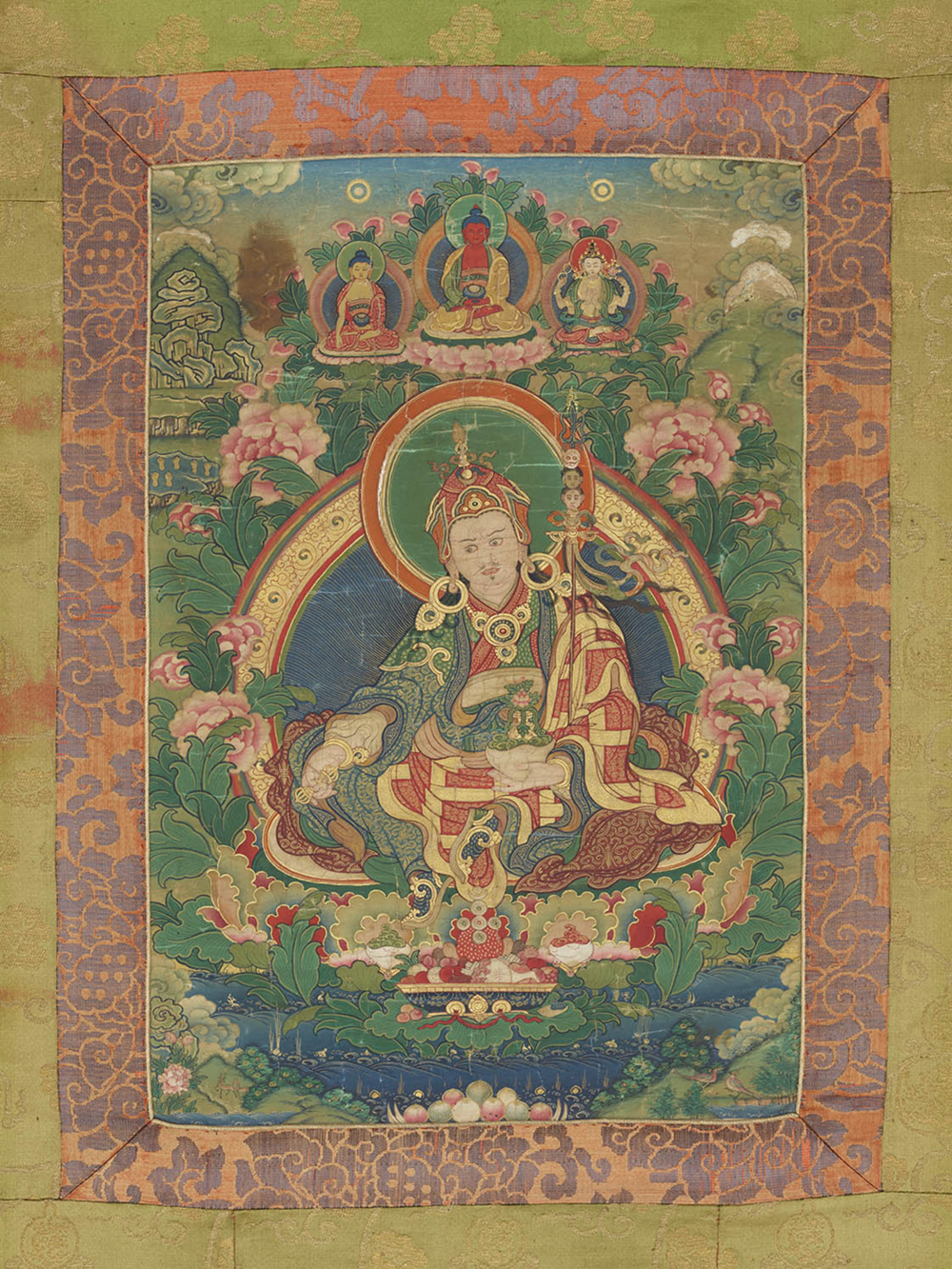
  • Padmasambhava
  • Guanyin, the Bodhisattva of Compassion in the Posture of Royal Ease
  • Buddha Shakyamuni

From a series of 7 thangkas with Buddha Shakyamuni and the 18 arhats
  • The Layman Huashang and Two Lokapalas

From a series of 7 thangkas with Buddha Shakyamuni and the 18 arhats
  • Standing Tara
  • The Four Pleasures of Nan Shenglu (detail)
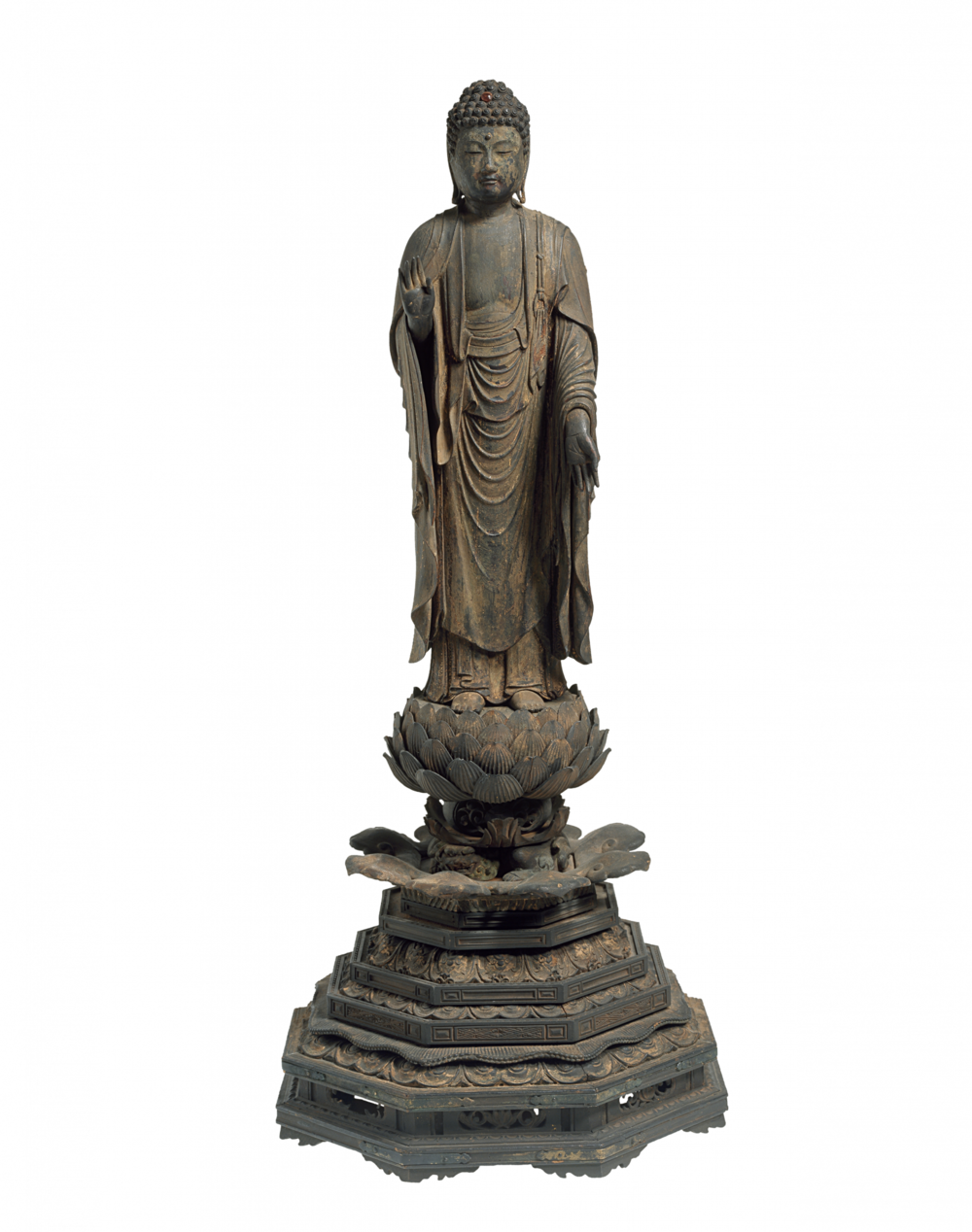
  • Standing Buddha Amida
  • Ushnishavijaya
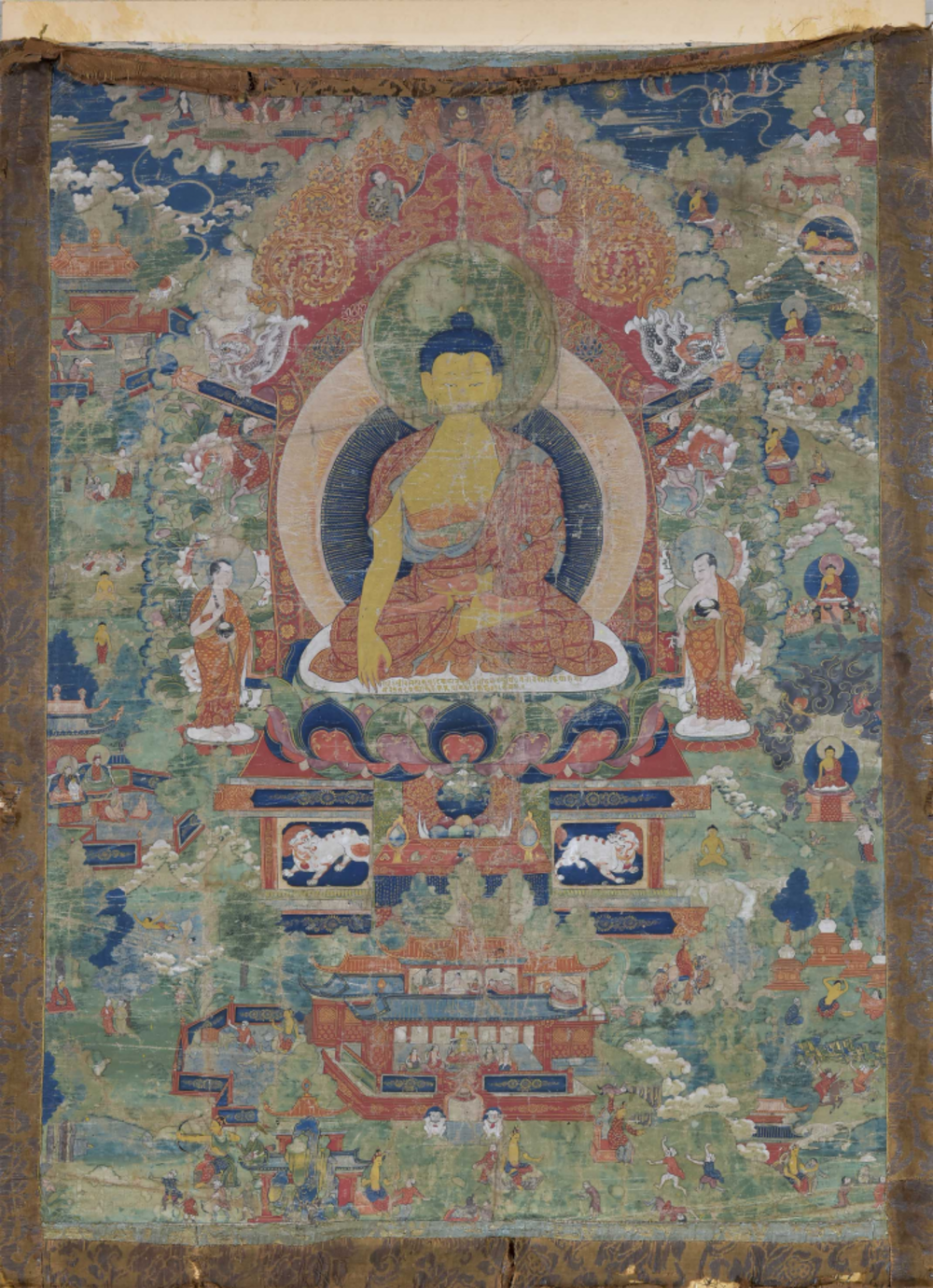
  • Buddha Shakyamuni with Scenes from his Life
  • Thangka of the Twenty-One Taras
  • Votive Stela with Buddha Shakyamuni
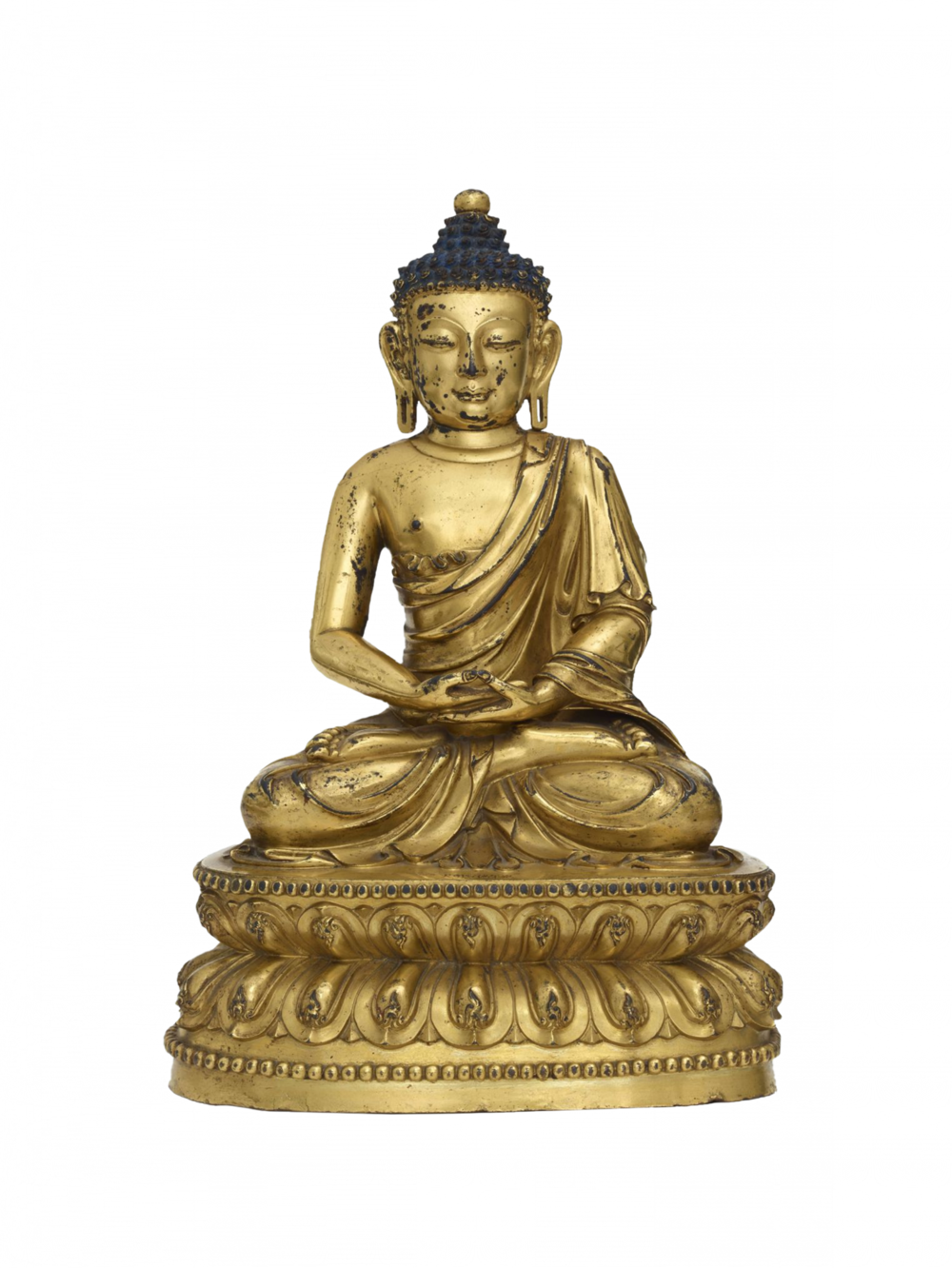
Buddha Shakyamuni

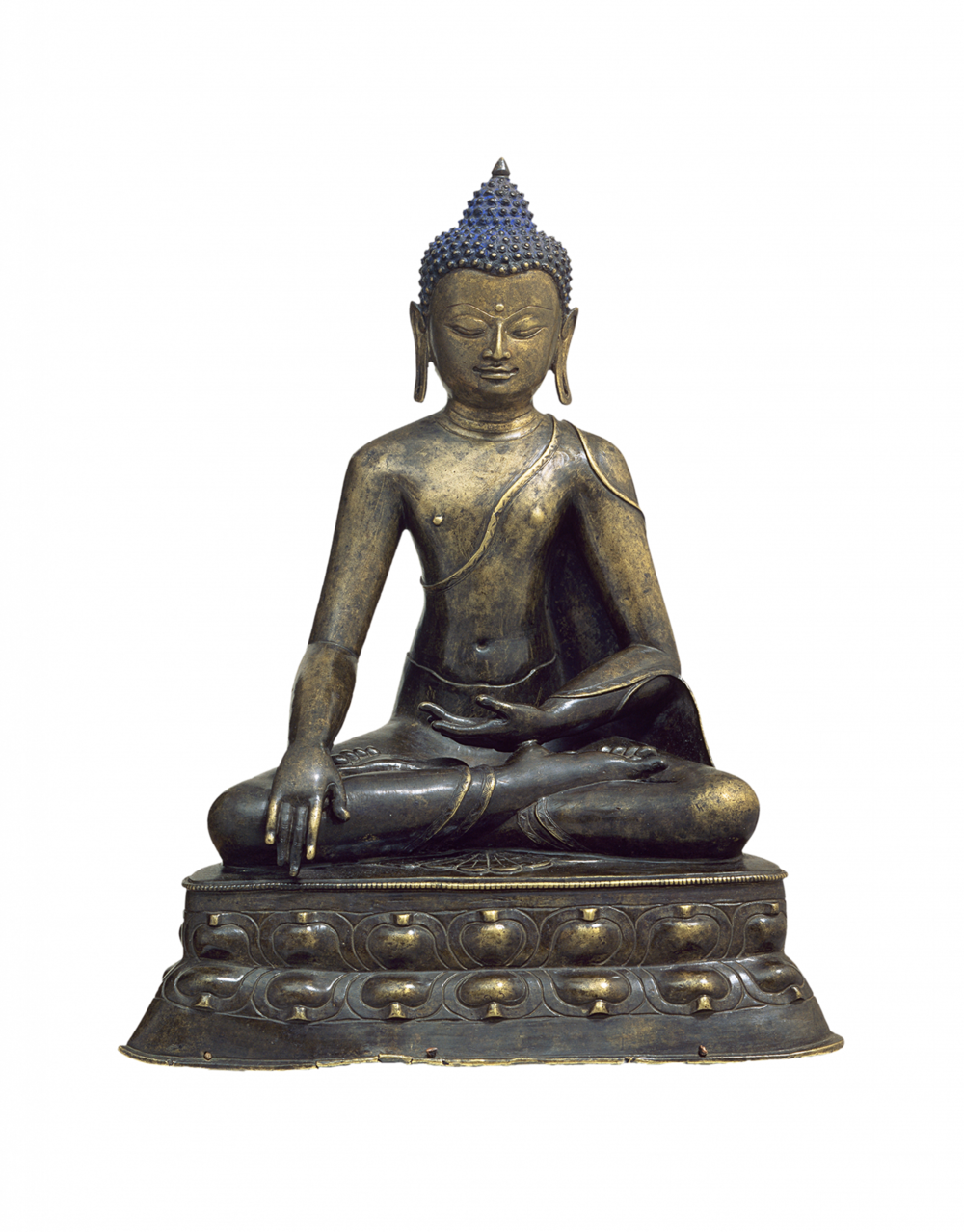
Buddha Shakyamuni

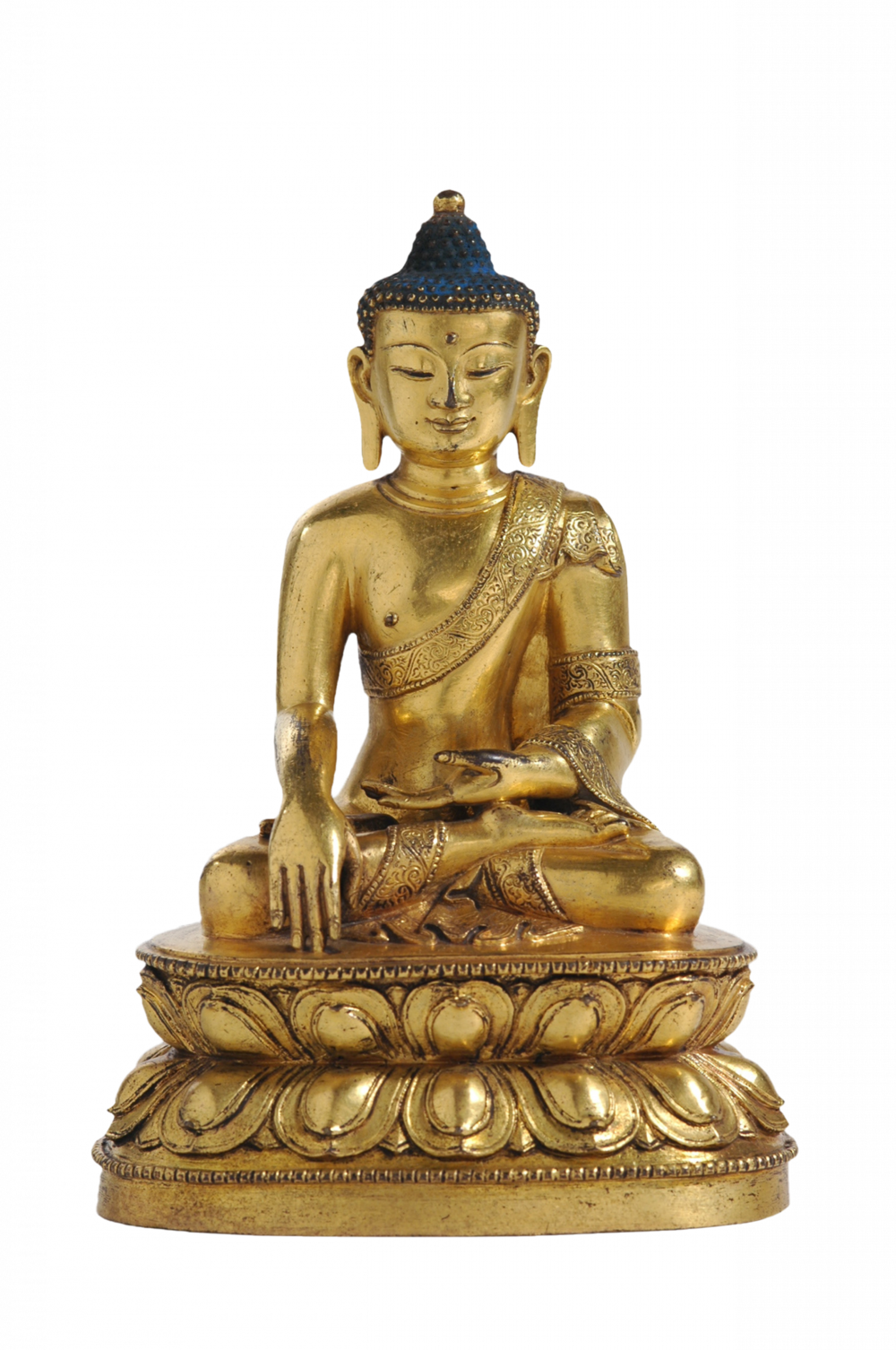
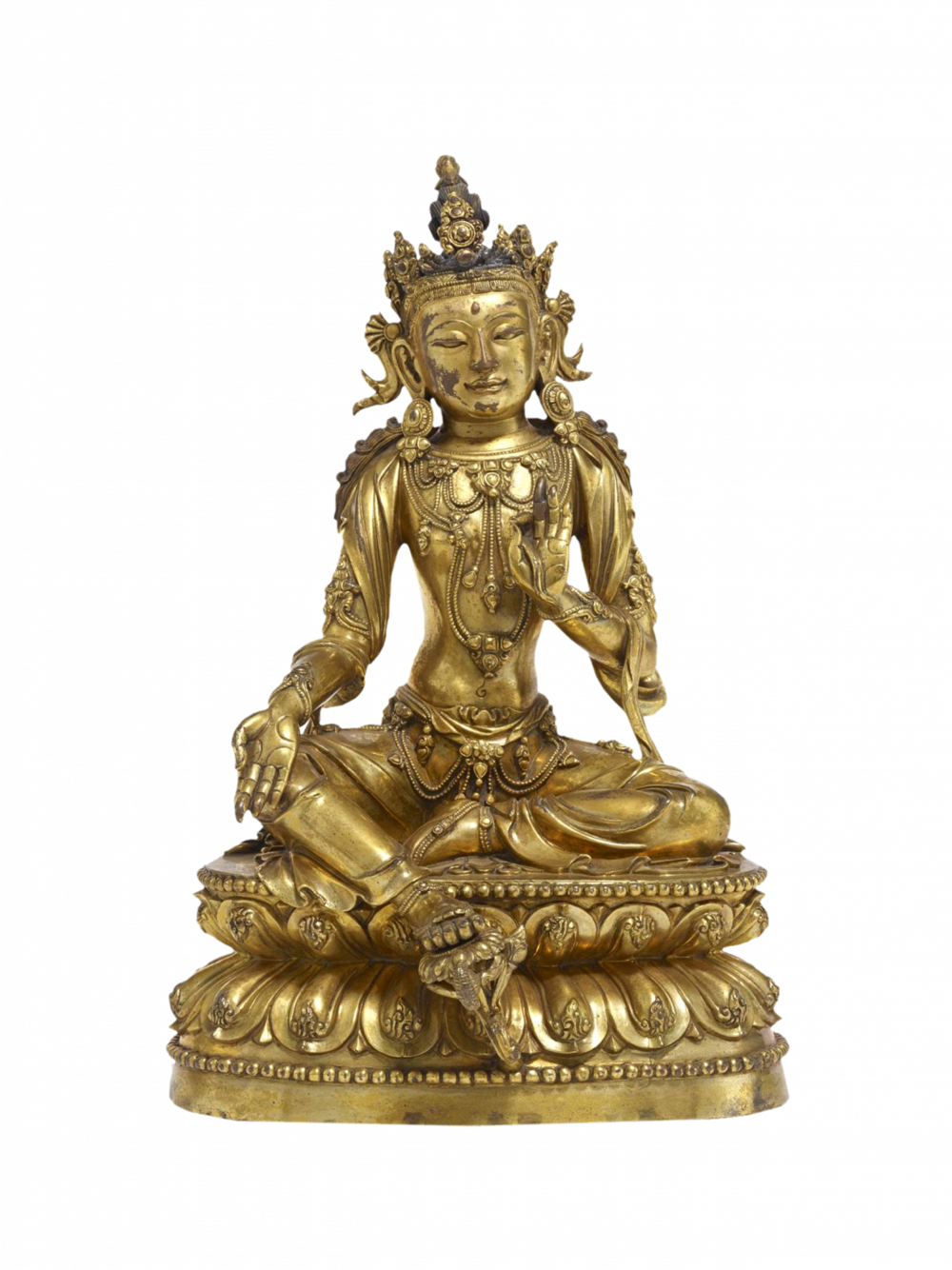
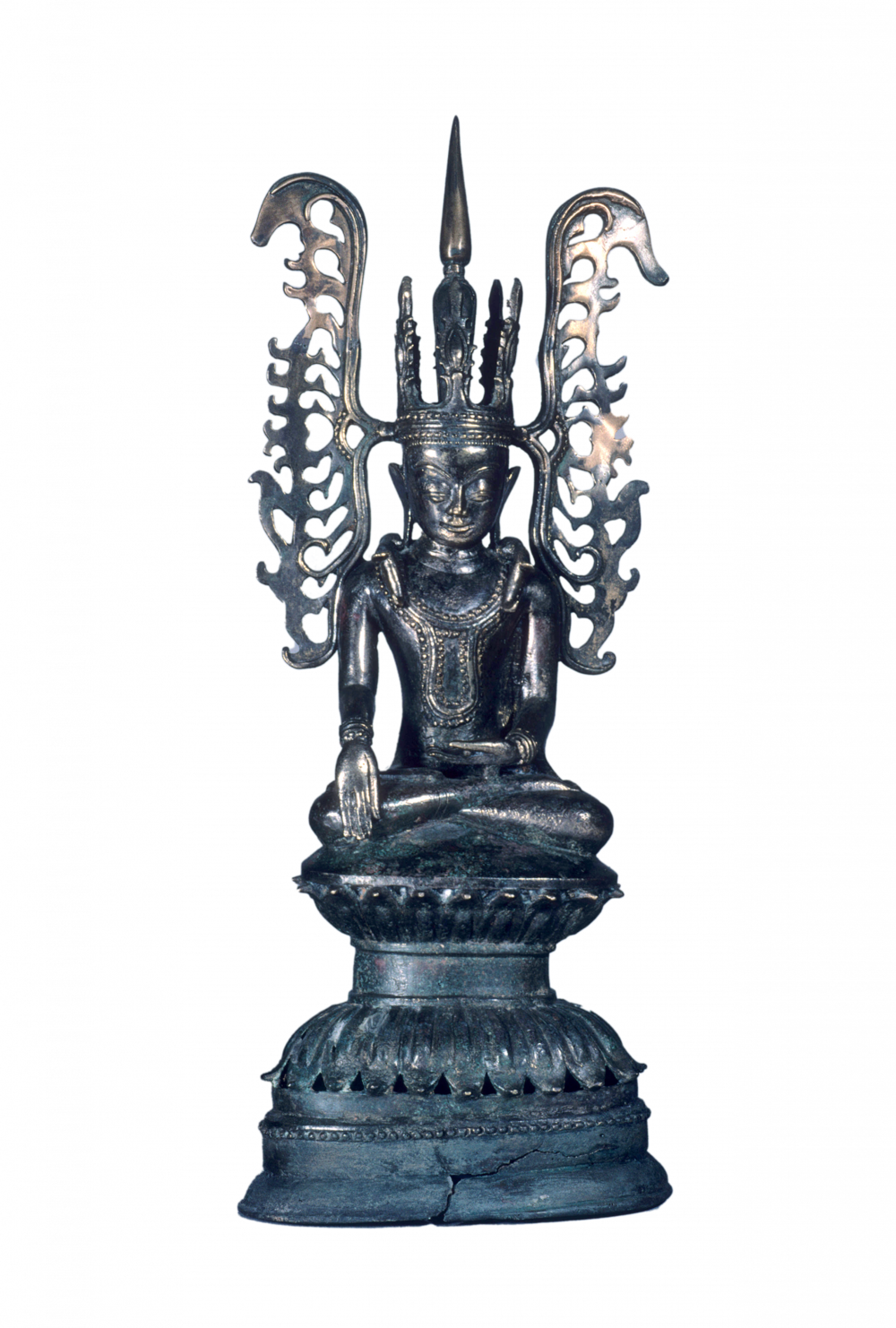
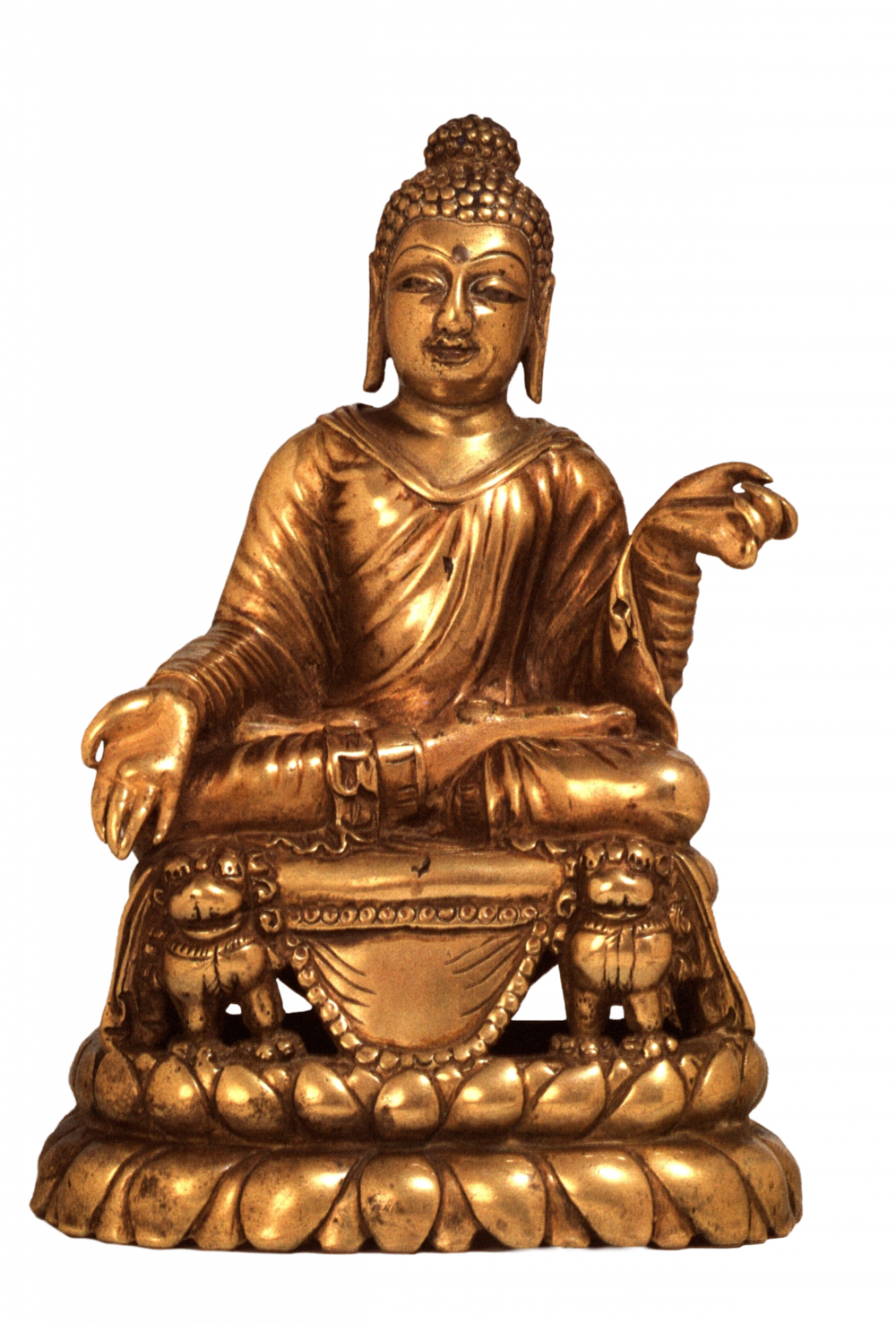
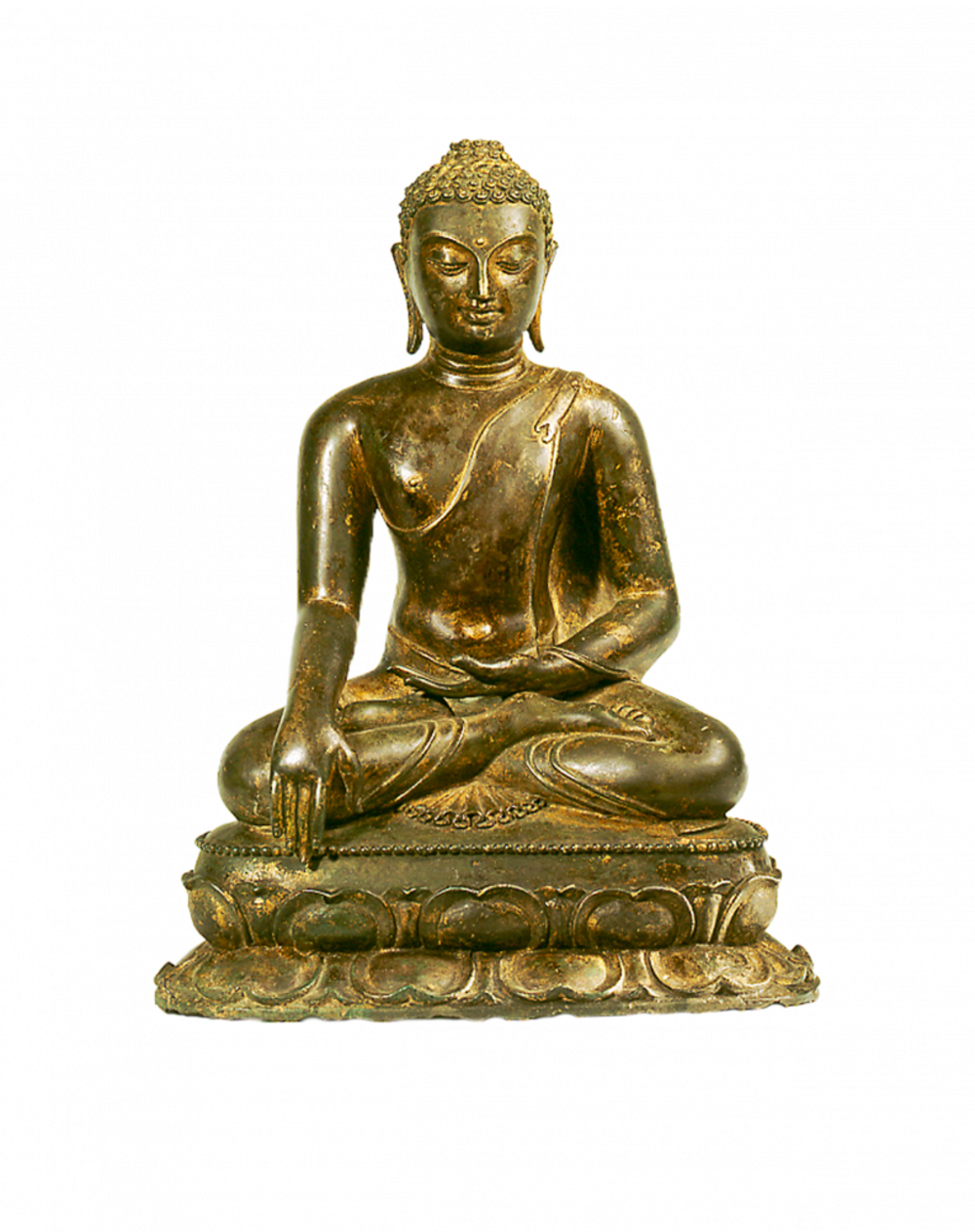
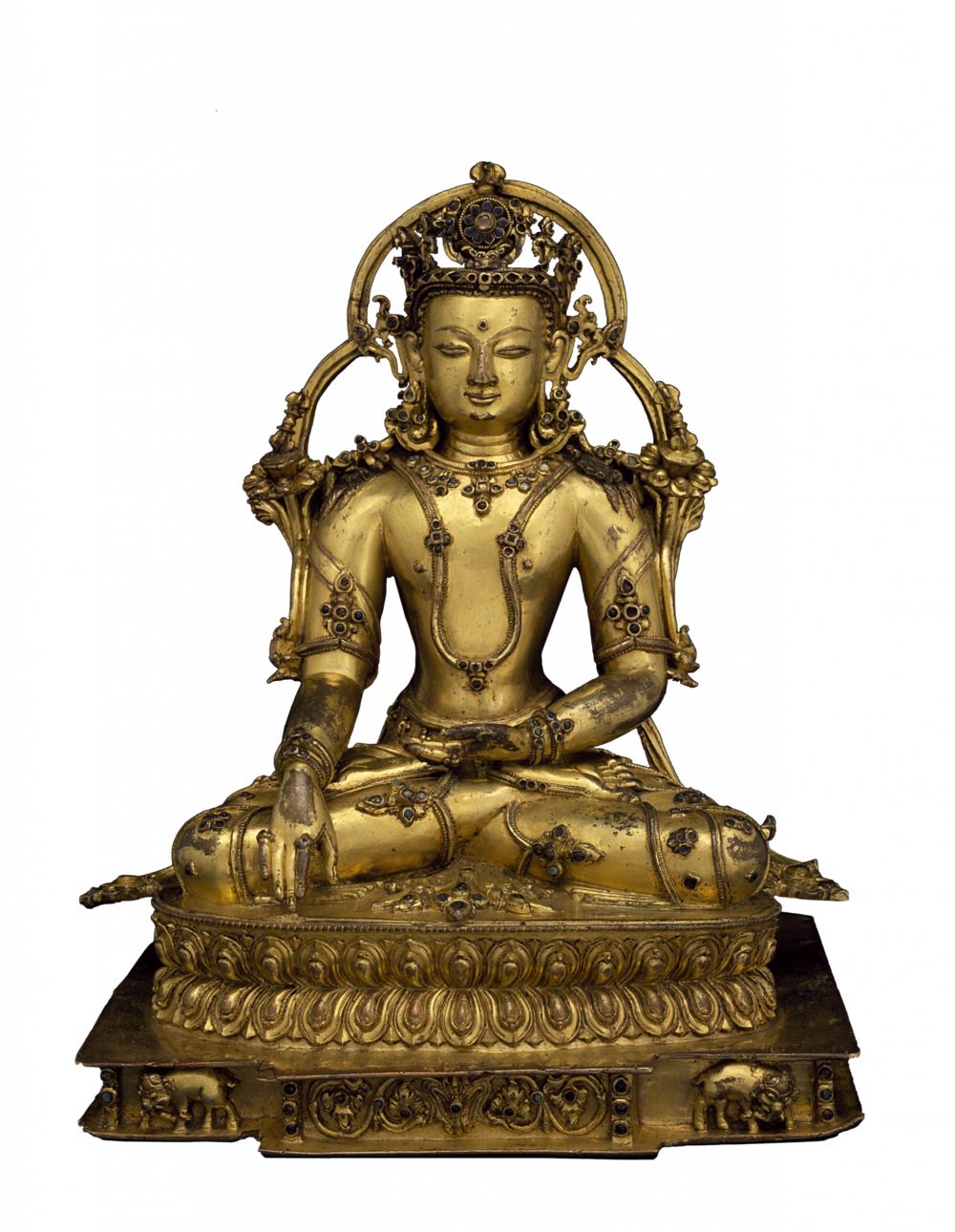
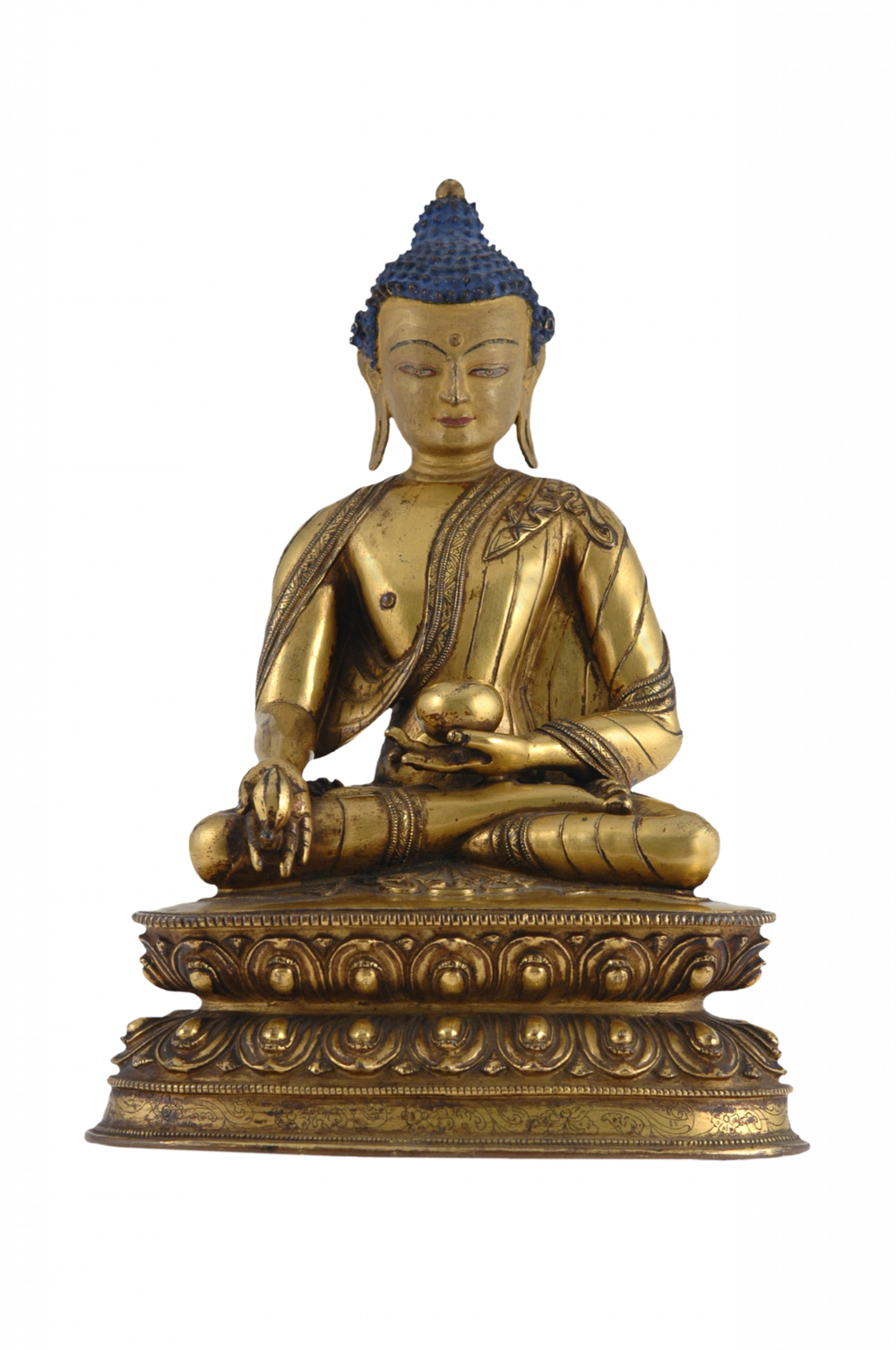
The Buddha is seated in the diamond posture on a broad-leafed, double lotus throne. In the Buddhist tradition, the lotus serves among other things as a symbol of spiritual growth and awakening. That is why images of awakened beings tend to be seated upon a lotus throne. The Buddha’s left hand rests in his lap; with his right hand he displays the earth-witness gesture. His head of tight curls still reveals traces of lapis lazuli, which was commonly used in Tibet for ritual ornamentation. This figure was quite probably cast in eastern Tibet: its face is strongly reminiscent of contemporaneous Chinese pieces. Tibetan work that shows Chinese influences is described as “Sino-Tibetan”.

Supported by

Logo Ho Foundation
  • About the app
  • Easy language
  • Museum Rietberg
  • Legal notice
  • Imprint
  • Stadt_ZH
#KlickNirvana
comenius-siegel-2021

©2021 Museum Rietberg